
Beyond the Diagnosis: Understanding Myalgic Encephalomyelitis/Chronic Fatigue Syndrome (ME/CFS) and Fibromyalgia

Fatigue, joint pain, muscle pain, brain fog, poor sleep.
A cheery way to begin a blog—and a list of some of the widespread and commonly co-occurring complaints we see daily in practice. What do they mean and how can we treat them? These two conditions disproportionately affect women, can present with a wide range of symptoms, and are without a known etiology.
What are ME/CFS and Fibromyalgia (FM)?
These are two different conditions that can both affect the musculoskeletal system and include chronic pain. Both do not have a known etiology (cause) or specific diagnostic biomarkers to identify the condition, so both are diagnosed clinically, meaning the provider takes a thorough history and physical examination, and after ruling in or out presence of other pathologies, will correlate enough of your symptoms to give the label of a diagnosis. (1)
Common symptoms of fibromyalgia include fatigue, chronic pain, persistent joint and muscle aches throughout the body that can move and shift, sleep disturbances, and increased sensitivity to pain stimuli. Patients with fibromyalgia are prone to headaches and migraines, foot and plantar fascia pain, and connective tissue (fascial) pain.
ME/CFS stands for myalgic encephalitis and chronic fatigue syndrome. Symptoms of ME/CFS are similar to FM but include the hallmark symptom of worsened symptoms and malaise after activity. This is a severe form of fatigue response that is unique to this condition and diagnosed by a specialist. Encephalitis means “inflammation in the brain”. ME/CFS is considered multi-systemic and involves an inflammatory and neuroimmune response. (4)
Both conditions may involve dysautonomia and central sensitization.
Dysautonomia – abnormal regulation of the autonomic nervous system which can result in a variety of symptoms.
Central sensitization – rewiring of the nervous system with heightened sensitivity and response to pain stimuli.
Historically, fibromyalgia was treated as a diagnosis of exclusion, meaning your provider would rule out many other conditions before essentially having only fibromyalgia remaining as a catch-all for your symptoms. Now, however, fibromyalgia is recognized as more of a distinct condition that can occur with the presence of other similar diagnoses. ME/CFS is still considered a diagnosis of exclusion but must include the hallmark of post-exertional malaise.
Key findings in FM and ME/CFS
Fibromyalgia is considered a central sensitization condition although there is a lack of consensus on whether it is a disease or disorder. (2) There is both immune and inflammatory involvement, with increased levels of inflammatory markers such as IL-6.
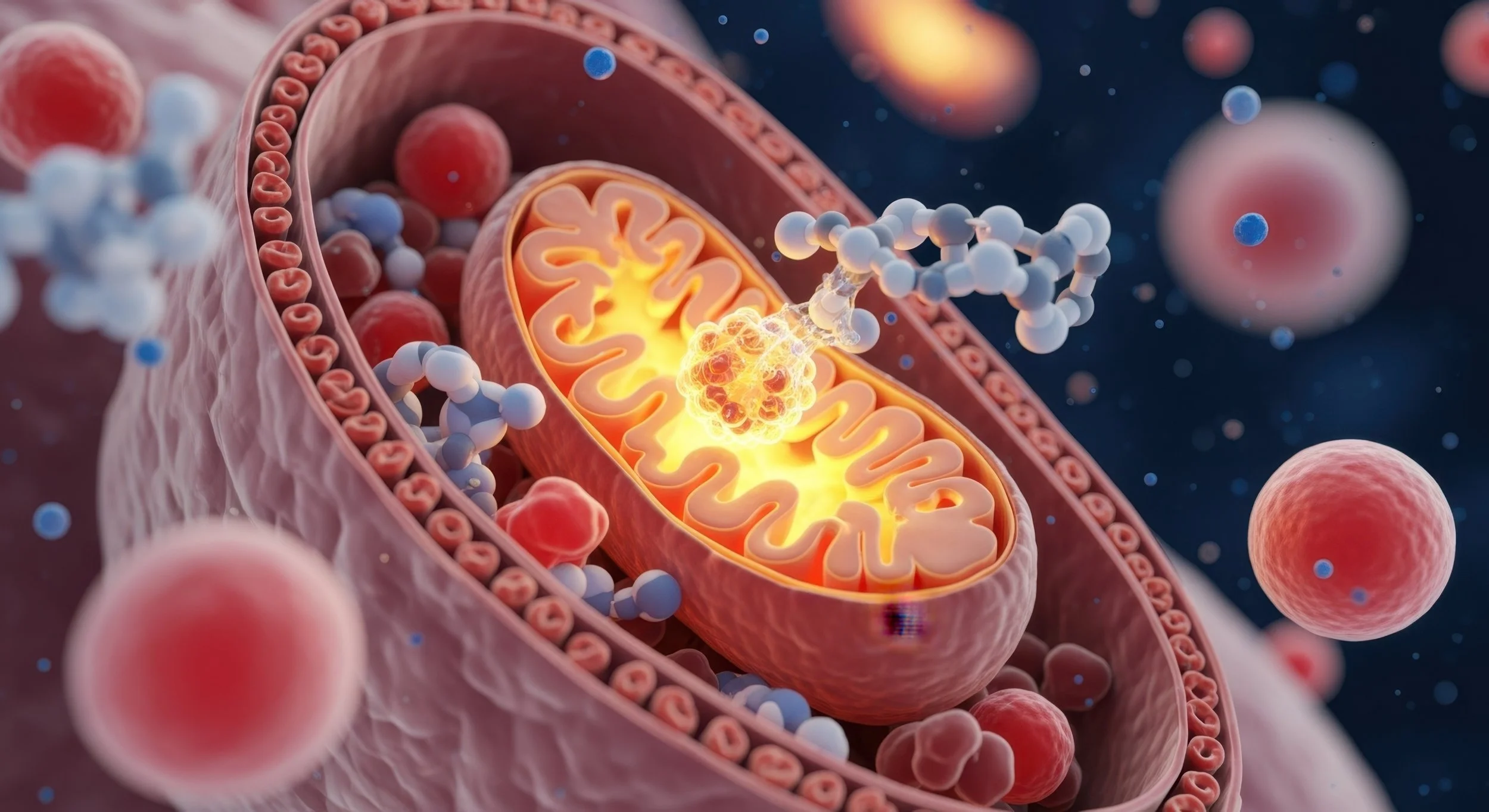
ME/CFS is considered more systemic and involves mitochondrial, immune and inflammatory dysfunction. (1)
Increased number of free radicals is found in both conditions, meaning that people with these conditions have higher levels of oxidative stress and benefit from increased nutritive and supplemental support. (3) Mitochondrial support may also be indicated through additional supplementation in CoQ10, geranylgeraniol, L-carnitine and other energy supportive supplements. (3)
While biomarkers, genetic factors, and endocrine and immunological factors are still being studied in relation to these conditions, in the functional medicine model we often treat people who are at a subclinical level of presentation, so diagnosis of disorders and diseases is not necessary or important for treatment—aside from ensuring a referral to the correct specialists when indicated.
Women in our practice often feel unheard and dismissed when it comes to their symptoms of fatigue, chronic musculoskeletal pain, poor sleep and related unexplained conditions. As I mentioned earlier, it can take a long time to get a diagnosis—2-5 years with an average of 3.5 doctors seen for FM, and up to 12 years for ME/CFS. (5, 6)
Some women may remain in a subclinical presentation and may not ever receive a diagnosis, while others may feel that a diagnosis did not change their treatment options or symptom management much. So what are your treatment options?



This is where the holistic and preventative approach becomes incredibly valuable. For women in particular, transitioning through life’s phases can bring whole hosts of new symptoms. Pregnancy, childbirth, postpartum, menstruation, and perimenopause all come with hormonal shifts and can come with new and unwanted symptoms. Symptoms like brain fog, fatigue, joint pain and even some level of post-exertional fatigue are certainly not exclusive to ME/CFS and FM.
Regardless of whether you have Fibromyalgia, ME/CFS, both diagnoses, or neither but present with all of the above symptoms, conservative care can be a valuable way to treat the whole body and manage your symptoms for a better quality of life. While a specialist is required to make a diagnosis, there are a variety of ways that we can support your body and its optimal function.
The following are a list of ways that we can identify and support factors that may be contributing to your symptoms:
Nutritional physical exam and labs (nutrient insufficiencies are incredibly common in the United States and often go overlooked)
Organic acids test to evaluate metabolic function and presence of mold or other causative agents that could be disrupting the body
Acupuncture to treat the fascia and nervous system
Chiropractic therapies to treat the nervous system, restore joint motion and provide pain relief
Rehabilitative exercises to mobilize, strengthen and provide proprioceptive input for long-term maintenance and symptom management
GI stool analysis to evaluate for dysbiosis, chronic inflammation in the GI tract, parasites, and digestive function
Better sleep, decreased pain, more energy and resilience can all be addressed through tailored lifestyle guidance, physical medicine and rehabilitation, and nutrient support. As a woman, you do not have to live a life that feels dictated by unmanageable symptoms. There are options, regardless of your diagnosis. At ViaVitae Functional Health, our aim is to foster your body’s innate resilience to allow you the life you want to live.
References
Myalgic encephalomyelitis/chronic fatigue syndrome and fibromyalgia – overlap, differences, and emerging insights. American ME and CFS Society. (n.d.). https://ammes.org/2026/02/20/myalgic-encephalomyelitis-chronic-fatigue-syndrome-and-fibromyalgia-overlap-differences-and-emerging-insights/
Almutairi, N. A., Greenwood, D. C., & Sivan, M. (2026, March 18). The prevalence of dysautonomia in chronic musculoskeletal pain: A systematic review and meta-analysis. Rheumatology advances in practice. https://pmc.ncbi.nlm.nih.gov/articles/PMC13070644/
Siracusa, R., Paola, R. D., Cuzzocrea, S., & Impellizzeri, D. (2021, April 9). Fibromyalgia: Pathogenesis, mechanisms, diagnosis and treatment options update. International journal of molecular sciences. https://pmc.ncbi.nlm.nih.gov/articles/PMC8068842/
U.S. Department of Health and Human Services. (2025, November 19). Overactive immune responses in ME/CFS. National Institutes of Health. https://www.nih.gov/news-events/nih-research-matters/overactive-immune-responses-mecfs
Patel, Dr. S. (2026, January 11). How long does it take to be diagnosed with fibromyalgia?. Advance Study. https://advancestudy.org/how-long-does-it-take-to-be-diagnosed-with-fibromyalgia/
Time from symptom onset to ME/CFS diagnosis: 1987 to 2022. (n.d.). https://solvecfs.org/wp-content/uploads/2023/05/2023-Time-to-MECFS-diagnosis.pdf