
What Two Years in the Mountains Taught Me About Health
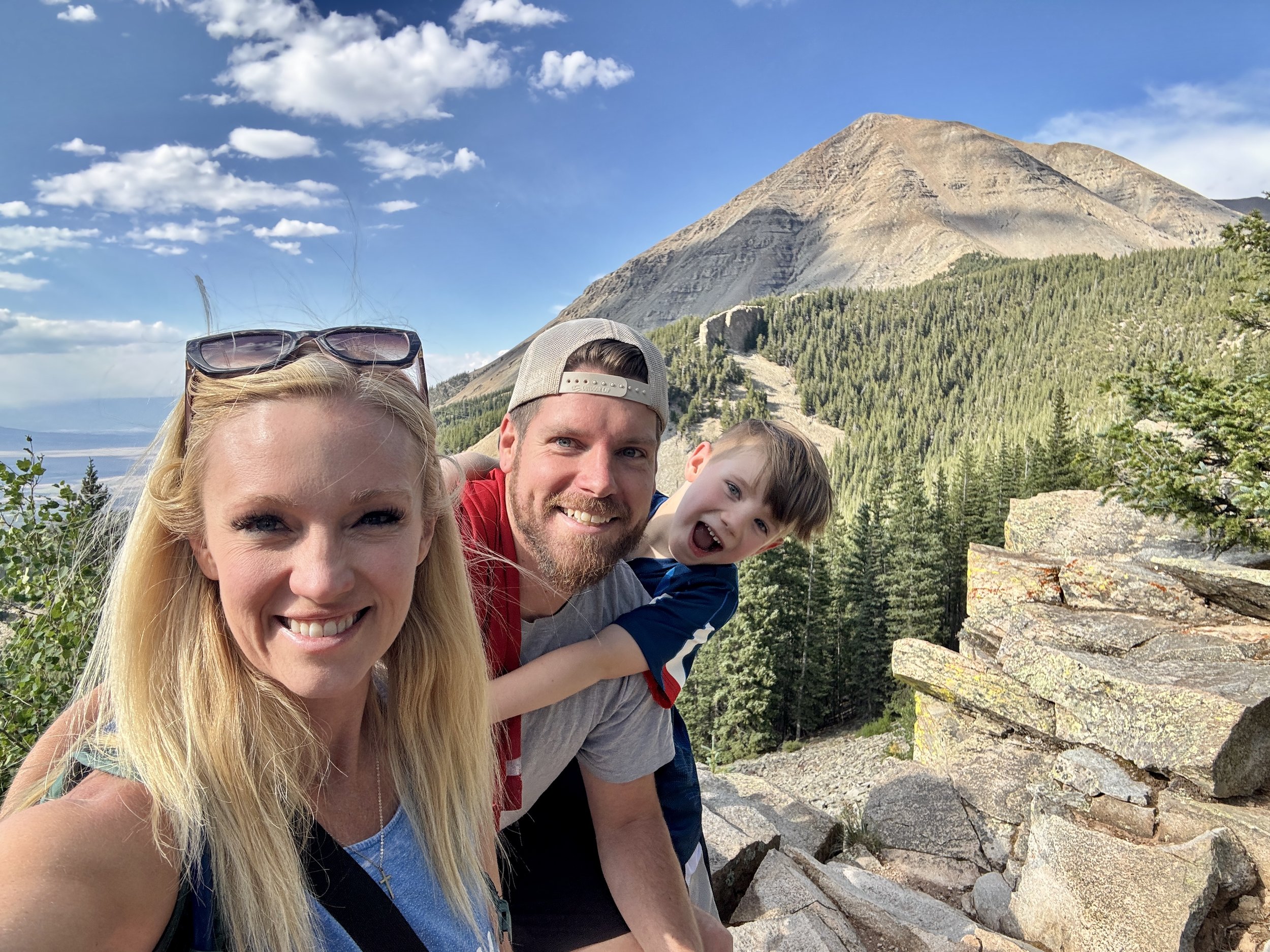
After two years of rural mountain life, we are thrilled to be back in Kansas! Nathan is back in the swing of work and going into the office, Brooks has easily acclimated to his new class, and I'm back in full swing attending marketing and charity events, seeing patients in-office, catching up with friends, and loving being back on my old exercise routines.
I love the hikes in the beautiful Cuchara Valley, but my daily runs and HIIT workouts were almost nonexistent. I didn't realize how much living at 9,250 feet above sea level would affect my body, especially coming from 1,050 feet above sea level in Leawood, Kansas. My body felt heavy, and the exercise routine that had once felt natural became much more difficult.
Both Leawood and Cuchara Mountain Park have air containing approximately 21% oxygen. The difference is atmospheric pressure. At our former home in Leawood, atmospheric pressure is roughly 96% of sea-level pressure, compared with approximately 71% at 9,250 feet. This means the pressure driving oxygen into the bloodstream is substantially lower in the mountains. At that elevation, the oxygen pressure available with each breath is roughly 26% lower than in Leawood. The body has to adapt to this difference, even though the percentage of oxygen in the air remains the same (1).
How High Altitude Affected My Body
We moved to Cuchara in October 2024, and my experience over the following two years made me curious about the broader physiological effects of living at high altitude.
Shortly after moving, I experienced a re-exacerbation of asthma, something I hadn't dealt with since childhood. At times, I also noticed an elevated heart rate and blood pressure. From December 2024 through February 2025, I experienced daily diarrhea. Sorry, TMI, but it was a persistent issue that eventually resolved after I began taking supplements intended to support nitric oxide production. I also noticed that I seemed to need more calories and nutrients to support my activity levels and overall well-being.
Although I cannot attribute all of these experiences to altitude alone, they prompted me to look more closely at how chronic exposure to lower oxygen availability can affect the body.

1. Oxygen delivery and energy: At high altitude, the lower pressure of oxygen entering the lungs prompts the body to increase ventilation and, initially, heart rate. Activities that once felt easy can require considerably more effort, and exercise can leave you feeling fatigued sooner. Even after acclimatization, maximum exercise capacity generally remains lower than at lower elevations (1).
2. Cardiovascular and respiratory adaptation: Over time, the body adjusts through changes in breathing, circulation, and red blood cell production. These adaptations help improve oxygen delivery, but they do not completely eliminate the physiological demands of high altitude. People with asthma or other respiratory conditions may need additional attention to symptoms and lung function (1,2).
3. Hydration and fluid balance: It is SO easy to become dehydrated in the mountains! Dry air and increased breathing can increase water loss, while physical activity and sun exposure add to fluid needs. Higher ultraviolet radiation also increases the risk of sunburn and skin damage. Staying adequately hydrated and protecting your skin become especially important (3,4).
4. Sleep quality: At elevations above approximately 9,000 feet, changes in breathing during sleep, including periodic breathing, are common. These changes can contribute to frequent awakenings and restless sleep, which may affect energy, concentration, and recovery the following day (1).
5. Brain function, mood, and mental clarity: Reduced oxygen availability can affect concentration, reaction time, and mental performance, particularly during initial exposure or when oxygen levels are especially low. Sleep disruption and fatigue may further affect mood and cognitive function. Individual experiences vary, and these symptoms should not automatically be attributed to altitude (5,6).
6. Gastrointestinal health: The gastrointestinal tract depends on adequate blood flow and oxygen to maintain the intestinal lining. Research suggests that high-altitude exposure, particularly when combined with strenuous exercise, may reduce blood flow to the digestive tract and increase oxidative stress. These changes may affect intestinal barrier integrity and contribute to gastrointestinal symptoms, including nausea, diarrhea, and abdominal discomfort. Researchers are also investigating potential effects on the gut microbiome and inflammatory signaling, although the long-term implications for people living at altitude are not yet fully understood (72).
7. Metabolism, hormones, and recovery: High altitude introduces additional physiological demands that can interact with nutrition, sleep, physical activity, and hormonal regulation.
Glucose regulation: Hypoxia can influence insulin sensitivity and glucose metabolism, although the effects vary depending on the individual, duration of exposure, and other physiological factors (8,9).
Stress physiology: Changes in breathing, heart rate, and sleep can interact with the hypothalamic-pituitary-adrenal (HPA) axis, which helps regulate the body's stress response. This does not necessarily mean cortisol remains elevated during long-term acclimatization (10).
Reproductive hormones and the menstrual cycle: Research suggests that hypoxia may influence reproductive hormone signaling, ovarian function, and aspects of ovulation. Physiological stress, inadequate energy intake, and disrupted sleep can also affect the hypothalamic signaling involved in reproductive function. However, studies in women living at high altitude have produced variable findings, and we still need more research to understand the effects on long-term reproductive health (11,12).
High Altitude, Fertility, and Pregnancy Loss
The most significant experience I had in the mountains was my miscarriage.
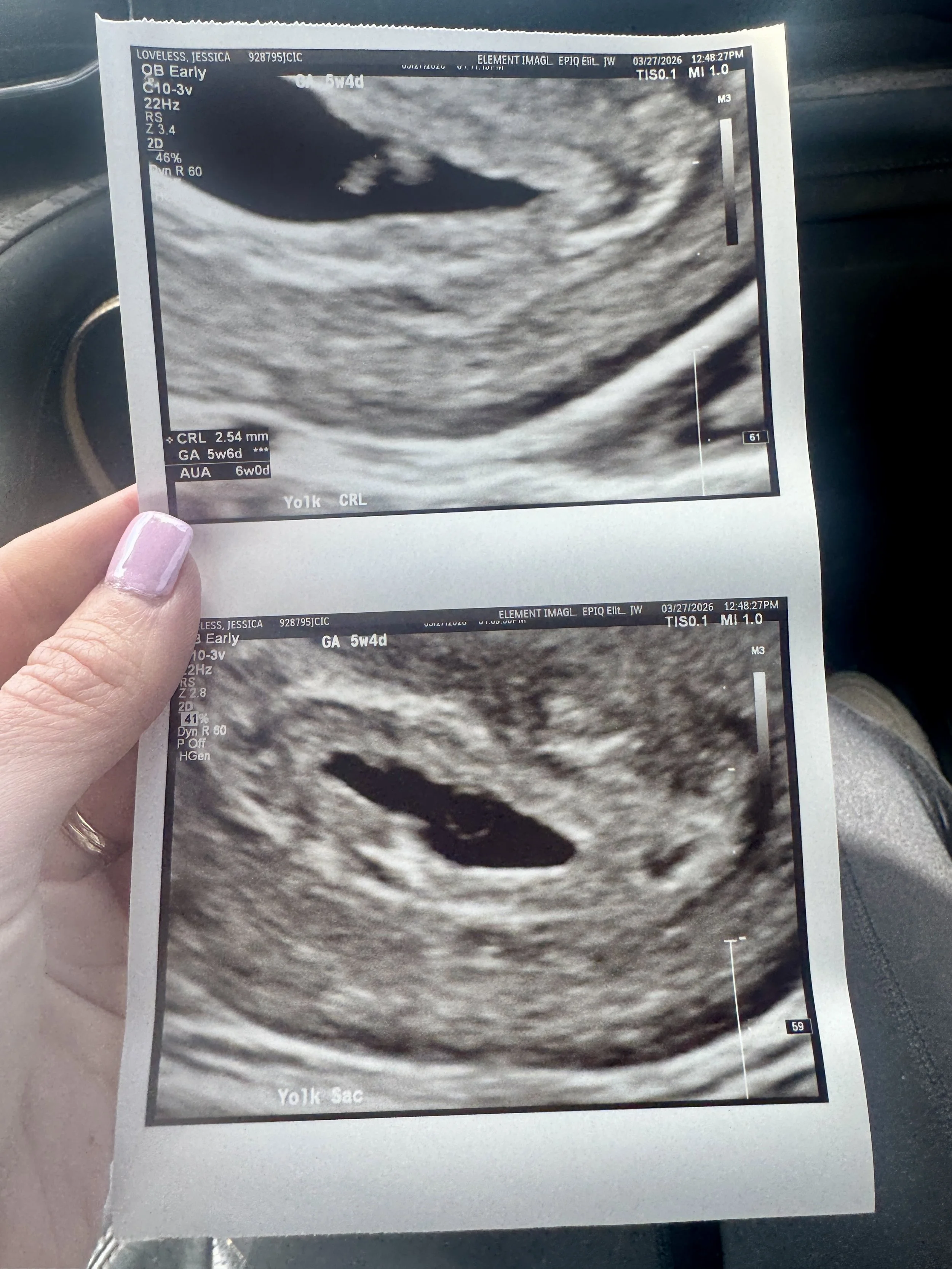
When I found out I was pregnant, I took extra care of my body and felt like I was doing everything right. But around week eight, I could tell something was wrong because my pregnancy symptoms had disappeared. At my nine-week ultrasound, there was no fetal heartbeat, and the embryo was measuring at six weeks. I was devastated, but I was also determined to stay in the mountains until my son finished his end-of-school-year activities. Living in a rural area meant access to women's healthcare was limited, so I had to wait a few days before we could drive to Omaha, where my sister, a very intelligent midwife, could provide care. Those few days were physically difficult. My blood pressure and heart rate were unusually high despite minimal activity. I struggled with nausea, forcing myself to drink electrolytes and take supplements, and slept through much of the day.
Early pregnancy depends on carefully coordinated hormonal signaling involving progesterone, estrogen, human chorionic gonadotropin (hCG), and the developing placenta. Chronic exposure to high altitude introduces another physiological challenge through reduced oxygen availability, which can influence placental development and vascular adaptation. Research has associated high-altitude pregnancy with an increased risk of fetal growth restriction, low birth weight, and certain pregnancy complications. However, the relationship between altitude and early pregnancy loss is less clear. Many early miscarriages are associated with chromosomal abnormalities, and sometimes the cause remains unknown (13,14).
I will never know whether living at 9,250 feet contributed to my miscarriage, but the experience changed how I think about the relationship between our environment, maternal physiology, and reproductive health. I believe it is important to keep exploring these connections while recognizing that research cannot establish the cause of my individual loss.
With all of this said, one of the more surprising aspects of my experience was that, in my early 40s and in perimenopause, my menstrual cycles continued to show encouraging signs of ovarian activity while I was living in the mountains.
I regularly used the Inito hormone monitor to track urinary estrogen metabolites, luteinizing hormone (LH), follicle-stimulating hormone (FSH), and pregnanediol glucuronide (PdG), a urinary metabolite of progesterone (15). Across most months, I observed hormone patterns consistent with healthy ovulatory cycles. I also noticed improvements in certain biomarkers I associate with reproductive health, which I believe may have been related to my increased attention to supplementation, nutrient intake, and lower stress.
These are personal observations rather than proof that altitude improved my fertility or that supplements caused the changes. High-altitude research on female reproductive hormones is still limited, and studies have reported differing effects on menstrual cycle patterns and hormone levels. At the same time, tracking my cycles gave me a more detailed picture of my own physiology during a stage of life when reproductive hormones can fluctuate considerably.
Perimenopause does not necessarily mean ovulation has stopped. Women can continue to ovulate and become pregnant during this transition, even as cycle patterns and ovarian function change. For me, monitoring my hormones reinforced the importance of looking at individual patterns over time rather than making assumptions based on age alone.
Coming Home with a New Perspective
Our two years in the mountains taught our family so much, and I will always be grateful for the beauty, adventure, and experiences we shared in the Cuchara Valley. But they also taught me something about the remarkable adaptability of the human body and the ways our environment can influence how we feel and function. As a functional medicine practitioner, I spend much of my time exploring the connections between nutrition, hormones, metabolism, sleep, stress, and environmental exposures. Living at 9,250 feet gave me a personal perspective on those connections that I could never have gained from research alone.
I am thrilled to be back in Kansas, reestablishing my routines, seeing patients in-office, reconnecting with friends, and enjoying the familiar rhythm of home. Sometimes, a change in environment offers more than a change of scenery. It gives us a new appreciation for our health, our resilience, and the little things we may have taken for granted.




Resources
Hackett, P. H., & Shlim, D. R. (2025). High-altitude travel and altitude illness. In CDC Yellow Book 2026: Health information for international travel. Centers for Disease Control and Prevention. https://www.cdc.gov/yellow-book/hcp/environmental-hazards-risks/high-altitude-travel-and-altitude-illness.html
Richalet, J.-P., Hermand, E., & Lhuissier, F. J. (2024). Cardiovascular physiology and pathophysiology at high altitude. Nature Reviews Cardiology, 21(2), 75–88. https://doi.org/10.1038/s41569-023-00924-9
Viscor, G., Corominas, J., & Carceller, A. (2023). Nutrition and hydration for high-altitude alpinism: A narrative review. International Journal of Environmental Research and Public Health, 20(4), Article 3186. https://doi.org/10.3390/ijerph20043186
Centers for Disease Control and Prevention. (2025). Sun exposure in travelers. CDC Yellow Book 2026: Health Information for International Travel. https://www.cdc.gov/yellow-book/hcp/environmental-hazards-risks/sun-exposure-in-travelers.html
Bliemsrieder, K., Weiss, E. M., Fischer, R., Brugger, H., Sperner-Unterweger, B., & Hüfner, K. (2022). Cognition and neuropsychological changes at altitude: A systematic review of literature. Brain Sciences, 12(12), Article 1736. https://doi.org/10.3390/brainsci12121736
Heinrich, E. C., Djokic, M. A., Gilbertson, D., DeYoung, P. N., Bosompra, N.-O., Wu, L., Anza-Ramirez, C., Orr, J. E., Powell, F. L., Malhotra, A., & Simonson, T. S. (2019). Cognitive function and mood at high altitude following acclimatization and use of supplemental oxygen and adaptive servoventilation sleep treatments. PLOS ONE, 14(6), Article e0217089. https://doi.org/10.1371/journal.pone.0217089
McKenna, Z. J., Pereira, F. G., Gillum, T. L., Amorim, F. T., Deyhle, M. R., & Mermier, C. M. (2022). High-altitude exposures and intestinal barrier dysfunction. American Journal of Physiology-Regulatory, Integrative and Comparative Physiology, 322(3), R192–R203. https://doi.org/10.1152/ajpregu.00270.2021
van Hulten, V., van Meijel, R. L. J., & Goossens, G. H. (2021). The impact of hypoxia exposure on glucose homeostasis in metabolically compromised humans: A systematic review. Reviews in Endocrine and Metabolic Disorders, 22, 471–483. https://pmc.ncbi.nlm.nih.gov/articles/PMC8087568/
Koufakis, T., Karras, S. N., Mustafa, O. G., Zebekakis, P., & Kotsa, K. (2019). The effects of high altitude on glucose homeostasis, metabolic control, and other diabetes-related parameters: From animal studies to real life. High Altitude Medicine & Biology, 20(1), 1–11. https://doi.org/10.1089/ham.2018.0076
Keenan, D. M., Pichler Hefti, J., Veldhuis, J. D., & von Wolff, M. (2020). Regulation and adaptation of endocrine axes at high altitude. American Journal of Physiology-Endocrinology and Metabolism, 318(2), E297–E309. https://doi.org/10.1152/ajpendo.00243.2019
Parraguez, V. H., & Gonzalez-Bulnes, A. (2020). Endocrinology of reproductive function and pregnancy at high altitudes. Current Opinion in Endocrine and Metabolic Research, 11, 27–32. https://doi.org/10.1016/j.coemr.2019.12.006
Shaw, S., Ghosh, D., Kumar, U., Panjwani, U., & Kumar, B. (2018). Impact of high altitude on key determinants of female reproductive health: A review. International Journal of Biometeorology, 62(11), 2045–2055. https://doi.org/10.1007/s00484-018-1609-0
Arenas, G. A., Herrera, E. A., Krause, B. J., Giussani, D. A., Julian, C. G., Moore, L. G., & Lorca, R. A. (2026). Understanding physiological adaptations of pregnancy to the chronic hypoxia of high altitude to inform obstetrical and neonatal care. Physiological Reviews, 106(4), 2609–2694. https://doi.org/10.1152/physrev.00003.2026
American College of Obstetricians and Gynecologists. (n.d.). Early pregnancy loss. https://www.acog.org/womens-health/faqs/early-pregnancy-loss
Inito. (n.d.). Frequently asked questions. https://www.inito.com/en-us/faqs/