
I truly LOVE cooking with family in the kitchen, so I always get excited for the holiday season, especially Thanksgiving and Christmas! Growing up, my Dad was always the one in charge of cooking the Thanksgiving turkey and making his homemade cornbread stuffing. After marrying my husband, preparing the Loveless family Thanksgiving turkey became one of my favorite holiday traditions and something I look forward to every year!
This year, we're traveling over Thanksgiving, so we celebrated our Loveless family Thanksgiving a little early. One thing I did differently this year was brining the turkey. I'm honestly not sure it made much of a difference, but the turkey was delicious as usual!
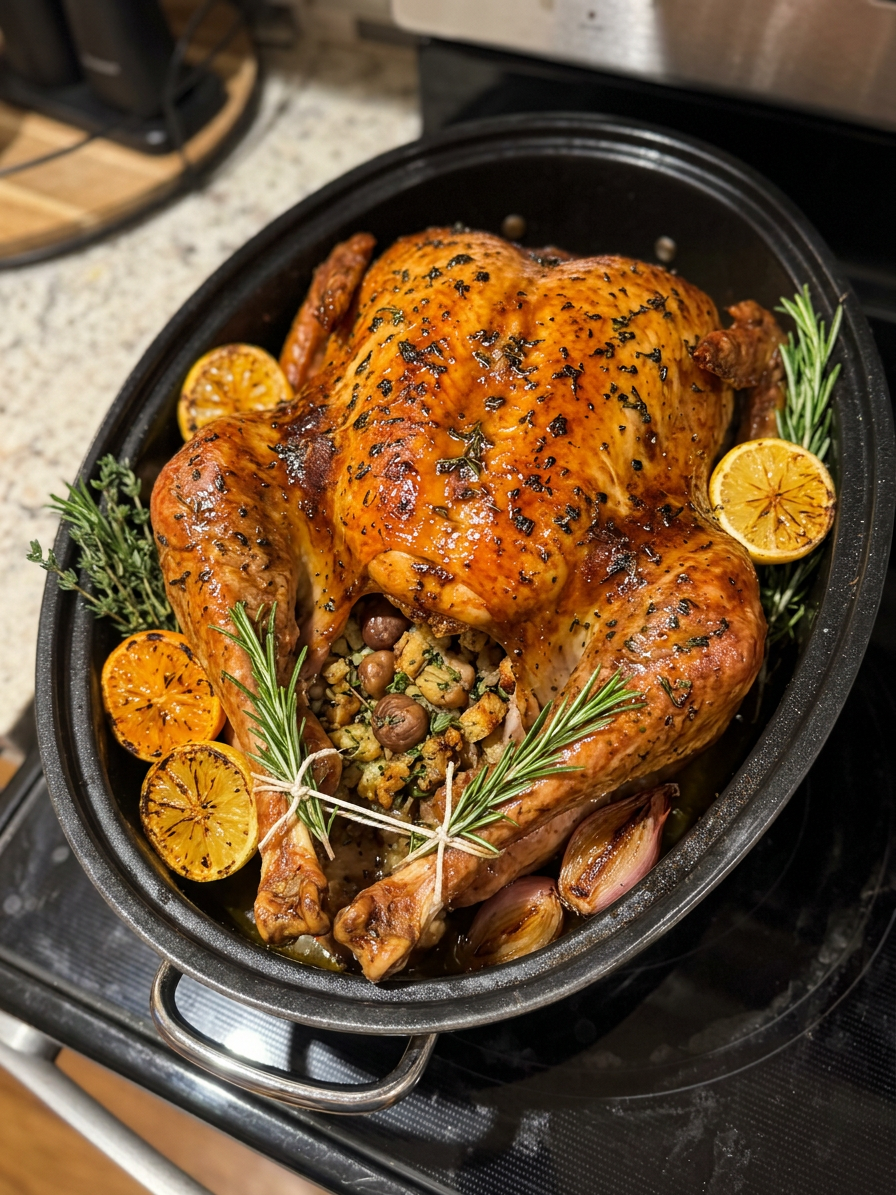
There is nothing quite like a homemade Thanksgiving turkey, especially one prepared with a little extra love and plenty of flavor! This year, I started with a 10-hour brine to help the turkey retain moisture, followed by my tried-and-true method of generously coating the turkey with reserved bacon grease, both over the skin and underneath it. A simple blend of garlic salt, black pepper, and organic seasoned salt, along with our homemade gluten-free cornbread stuffing, brings everything together for a beautifully golden, flavorful turkey that has become a centerpiece of our family's Thanksgiving traditions.
Roasted Turkey
Ingredients
1 whole turkey (12–16 pounds), completely thawed
1 Costco turkey brine kit, prepared according to package directions (optional)
¼–½ cup reserved bacon grease, softened
Garlic salt, to taste
Freshly ground black pepper, to taste
Organic seasoned salt, to taste
Homemade gluten-free cornbread stuffing, prepared separately
Optional: Fresh rosemary, thyme, and sage for additional aromatics
Recipe
1. Brine the turkey (10 hours) - Optional
I usually don’t brine my turkey, but I tried it this year. I prepared the Costco turkey brine according to the package instructions. Submerge the thawed turkey completely and refrigerate for 10 hours.
2. Bacon grease
Allow your reserved bacon grease to soften until it is easily spreadable. I have a bacon grease contrainer with strainer that I can use to reserve grease over time. Gently loosen the skin around the turkey breast and thighs without tearing it. Massage the bacon grease directly onto the meat beneath the skin, then generously coat the entire exterior of the turkey.
3. Season generously
Sprinkle garlic salt, freshly ground black pepper, and organic seasoned salt over the entire turkey, including the wings, thighs, and underside. Gently rub the seasonings into the bacon grease for even coverage. Because the turkey has already been brined, use the garlic salt and seasoned salt judiciously to avoid an overly salty result.
4. Prepare the stuffing
Prepare your favorite homemade stuffing, or our favorite gluten-free cornbread stuffing here. Fill the turkey cavity with the stuffing and place the extra in a baking dish.
5. Roast the turkey
Preheat the convection oven to 350°F. Place the turkey breast-side down on a roasting rack inside a large roasting pan amd tent loosely with foil if the skin browns too quickly. Roast until a food thermometer reads at least 165°F in the thickest part of the breast, innermost thigh, and innermost wing. We made a 20 lb turkey in an enclosed roaster and it was done in about 3 hrs. During the last 20 min, flip turkey breast-side up so skin is golden brown.
Tip: A 12–16-pound unstuffed turkey generally takes approximately 3–4 hours, but use internal temperature rather than time to determine doneness.
6. Rest and serve
Remove the turkey from the oven and allow it to rest for 20–30 minutes before carving. Serve alongside your homemade gluten-free cornbread stuffing, gluten-free giblet gravy, and favorite Thanksgiving sides.
Gluten-Free Giblet Gravy
Ingredients
For the Homemade Giblet Stock:
Turkey neck and giblets (excluding the liver, unless desired)
4 cups water
½ onion, roughly chopped
2–3 cloves garlic
2–3 sprigs fresh thyme
2–3 sprigs fresh parsley
2–3 fresh sage leaves
Optional: 1 celery stalk, chopped
Optional: 1 carrot, chopped
For the Gluten-Free Turkey Gravy:
2–3 cups homemade giblet stock
Cooked giblets, finely chopped
Cooked turkey neck meat, removed from the bone and chopped
¼-1/2 cup reserved turkey drippings, including fat
¼-1/2 cup gluten-free all-purpose flour (I use Namaste Perfect Flour Blend)
Chicken stock, as needed for desired consistency
Freshly ground black pepper, to taste
Garlic salt or organic seasoned salt, if needed
1. Prepare the Homemade Giblet Stock
While the turkey is roasting, place the turkey neck and giblets in a medium saucepan with 4 cups of water. Add the onion, garlic, thyme, parsley, and sage. Sometimes I also add celery and carrots, depending on what I have available in the kitchen.
Bring everything to a gentle boil, then reduce the heat and simmer, partially covered, for approximately 1½–2 hours, or until the giblets are tender and the stock is flavorful. Add a little water as needed to maintain the liquid level.
2. Strain and Reserve the Stock
Remove the turkey neck and giblets from the saucepan. Strain the stock to remove the herbs and vegetables, reserving the flavorful liquid for the gravy.
Once cool enough to handle, remove the meat from the turkey neck bones and finely chop the cooked giblets. Set aside. Discard the bones and any tough or unwanted pieces.
3. Prepare the Gravy Base
Once the turkey has finished roasting, collect the drippings from the roasting pan. In a large saucepan over medium heat, add approximately ¼ cup of the reserved turkey fat and whisk in ¼ cup of Namaste gluten-free flour. Cook for 2–3 minutes, stirring continuously, until the mixture is smooth and lightly golden. This creates a roux that will thicken the gravy.
4. Add the Stock and Turkey Drippings
Gradually whisk in 2–3 cups of the homemade giblet stock, along with the flavorful turkey juices from the roasting pan. Continue whisking to prevent lumps.
Add chicken stock as needed until the gravy reaches your preferred consistency.
If this is not enough or you add too much stock, mix another quarter cup of flour and drippings in a small bowl and slowly add to gravy while whisking to prevent clumps.
5. Add the Giblets and Turkey Neck Meat
Stir the finely chopped giblets and turkey neck meat into the gravy. Reduce the heat and allow everything to simmer gently for approximately 5–10 minutes, stirring occasionally, until the gravy thickens and the flavors come together.
6. Season and Serve
Taste the gravy and adjust the seasoning with freshly ground black pepper, garlic salt, or organic seasoned salt as needed. Because the turkey has already been brined and seasoned, I recommend tasting before adding additional salt.
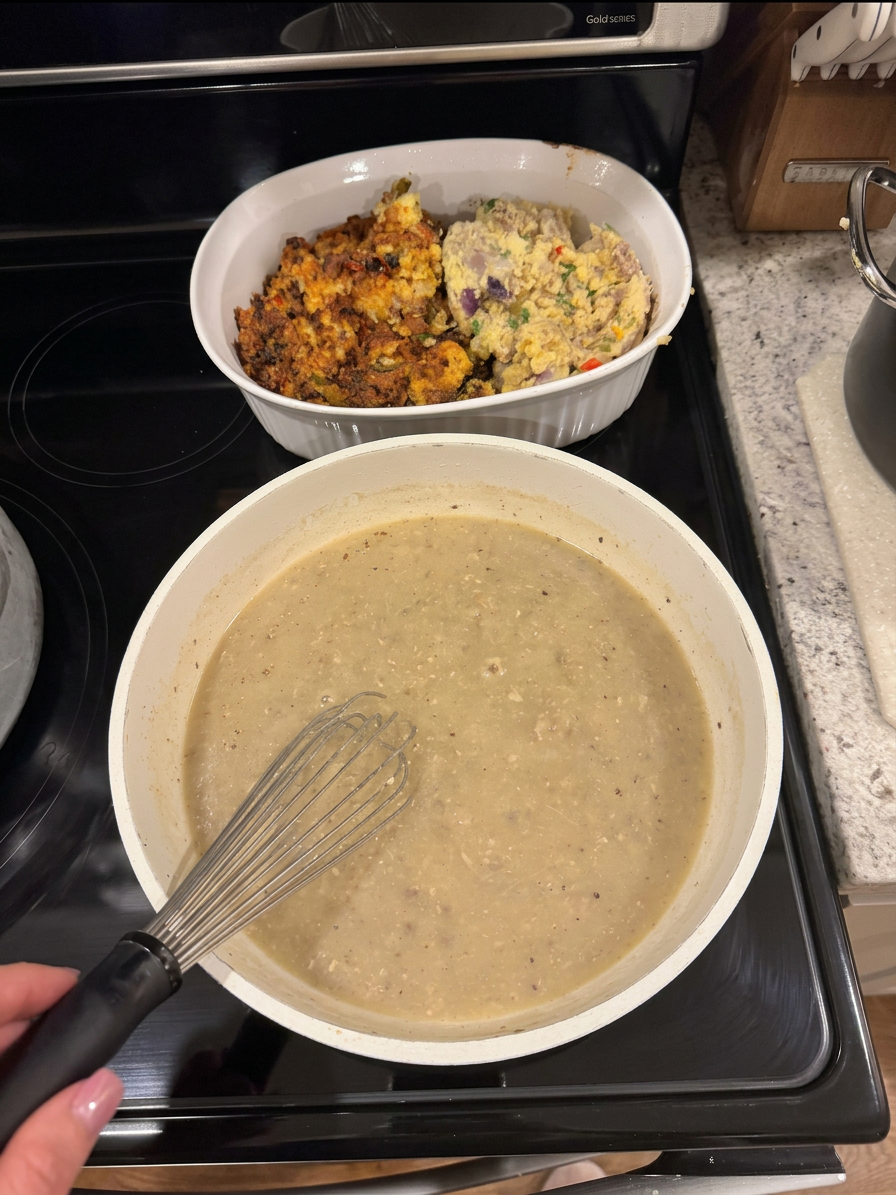
Serve warm over freshly carved Thanksgiving turkey, homemade gluten-free cornbread stuffing, and mashed potatoes!
A Few Notes from My Kitchen
I love making homemade stock because it allows me to use more of the turkey while incorporating fresh herbs and vegetables into our holiday meal. The combination of the giblet stock and turkey drippings creates a rich, savory flavor that you simply cannot replicate with a packaged gravy mix.
Using Namaste gluten-free flour has also been an easy way to keep our traditional Thanksgiving gravy gluten-free without sacrificing the creamy texture we love. And, of course, adding the chopped giblets and tender turkey neck meat gives the gravy that wonderful homemade flavor and texture I grew up enjoying.
For our family, it's these little traditions and homemade touches that make Thanksgiving dinner so special!
The Nutritional Benefits of Our Homemade Thanksgiving Dinner
Thanksgiving is one of my favorite holidays because it brings together family, tradition, and the joy of preparing a nourishing meal from scratch. While we often think of Thanksgiving dinner as an indulgence, there are actually many nutritional benefits to a traditional holiday meal, especially when it's prepared with whole-food ingredients, fresh herbs, and homemade recipes.
From the protein-rich turkey to the homemade cornbread stuffing and savory giblet gravy, our Thanksgiving meal provides a variety of nutrients that support muscle health, energy production, immune function, and overall well-being.
Turkey: A Nutrient-Dense Source of Protein
Turkey is an excellent source of high-quality, complete protein, providing all nine essential amino acids necessary for tissue repair, muscle maintenance, immune function, and the production of enzymes and hormones.
Turkey also provides several important micronutrients, including:
Vitamin B6: Supports amino acid metabolism, neurotransmitter production, and immune function.
Vitamin B12: Essential for red blood cell formation, neurological health, and DNA synthesis.
Selenium: An important antioxidant-related mineral that supports thyroid hormone metabolism and immune function.
Zinc: Contributes to immune function, wound healing, and cellular repair.
Phosphorus: Supports bone health, cellular energy production, and normal cellular function.
Turkey also contains tryptophan, an essential amino acid involved in the production of serotonin and melatonin. However, despite the popular belief that turkey makes us sleepy, the post-Thanksgiving fatigue many experience is more likely related to the overall size of the meal, carbohydrate intake, alcohol consumption, and changes in routine rather than turkey alone.
Homemade Giblet Gravy: Making the Most of Nutrient-Rich Ingredients
One of my favorite parts of this recipe is preparing homemade stock using the turkey neck, giblets, fresh herbs, and vegetables.
Organ meats, particularly the liver and heart, are naturally rich in several essential nutrients. Depending on which giblets are included, they can provide iron, vitamin B12, zinc, selenium, and other nutrients important for energy metabolism, red blood cell production, and immune health.
Using the turkey neck and giblets also allows us to utilize more of the animal, reducing food waste while adding flavor and nutritional value to the meal. The homemade stock provides a flavorful foundation for the gravy without requiring commercial gravy mixes. Preparing it ourselves also gives us more control over the ingredients, including the type and amount of flour, seasonings, and added sodium.
Garlic, Onion, and Fresh Herbs: Small Ingredients with Valuable Benefits
The garlic, onion, thyme, parsley, and sage used throughout this meal do more than enhance flavor! Garlic and onions contain sulfur-containing compounds and other plant constituents that have been studied for their antioxidant and anti-inflammatory properties. Garlic, in particular, has been investigated for potential benefits related to cardiovascular health. Fresh herbs such as thyme, parsley, and sage provide a variety of phytochemicals, including polyphenols, which may contribute to the body's antioxidant defenses.
Although the amounts typically used in cooking are relatively small, incorporating a variety of herbs and aromatic vegetables is a wonderful way to add flavor and dietary diversity without relying exclusively on salt.
Bacon Drippings: Flavor and Fat-Soluble Nutrient Absorption
Using reserved bacon grease is one of my favorite ways to give our turkey its rich, savory flavor and beautifully golden skin. Dietary fat plays several important physiological roles, including supporting cellular membranes, providing energy, and helping the body absorb fat-soluble vitamins A, D, E, and K when those vitamins are present in a meal. Bacon grease does contain a substantial amount of saturated fat, so it is best used thoughtfully as part of an overall dietary pattern that emphasizes unsaturated fats from foods such as olive oil, nuts, seeds, and avocados. For our Thanksgiving turkey, it is a traditional cooking ingredient that contributes flavor and helps the seasonings adhere to the skin.
The Bigger Picture: Nourishment Goes Beyond Nutrients
One of the things I love most about Thanksgiving is that nourishment extends beyond the nutritional composition of the food on our plates. Cooking together, sharing family traditions, sitting around the table, and enjoying meaningful conversations all contribute to our sense of connection and well-being. Positive social relationships are associated with better mental and physical health, while shared meals can create opportunities for connection, gratitude, and family bonding.
From a functional medicine perspective, I believe it's important to recognize that health is influenced by more than individual nutrients. Our dietary patterns, relationships, stress levels, sleep, physical activity, and daily habits all contribute to our overall well-being.
Thanksgiving is a wonderful reminder that food is meant to nourish both our bodies and our relationships. We can appreciate the nutritional benefits of a homemade meal while also enjoying the traditions, flavors, and memories that make the holiday so meaningful. And sometimes, one of the healthiest things we can do is simply gather around the table with the people we love, enjoy a delicious meal, and give thanks for the blessings in our lives.