
Simple Tuna Wrap
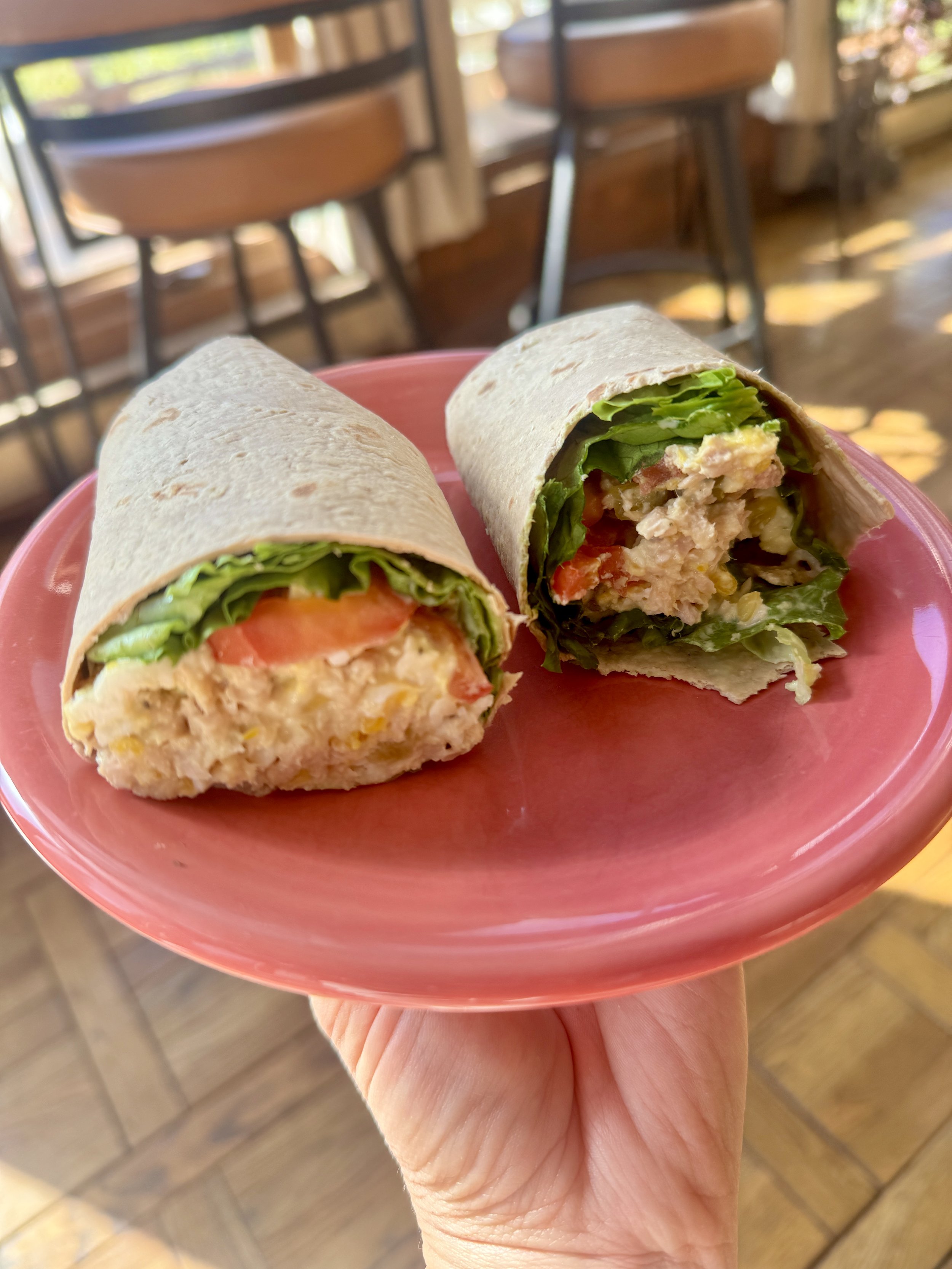
This simple tuna wrap is a quick, protein-packed lunch that is both satisfying and easy to customize. By adding eggs and choosing quality ingredients, a classic tuna salad becomes a more nutrient-dense meal to support steady energy, satiety, fertility, and overall wellness.
Ingredients
1 can wild-caught tuna (I use Safe Catch)
2 eggs, hard-boiled or scrambled
1 tablespoon avocado oil mayonnaise
1 tablespoon mustard
2 tablespoons organic dill pickles, diced (I use my homemade canned pickles)
1 tablespoon organic dill pickle juice
2 romaine lettuce leaves or 1 cup leafy greens (such as spinach or arugula)
Fresh tomato slices
1 gluten-free wrap (I use BFree Foods) or another healthy wrap option that fits your dietary needs
Instructions
Prepare the eggs by hard-boiling or scrambling them. Allow hard-boiled eggs to cool, then chop into bite-sized pieces.
Drain the tuna and combine with the eggs, avocado oil mayo, mustard, diced pickles, and pickle juice.
Place the tuna mixture, romaine lettuce, and tomato slices inside your gluten-free wrap.
Roll up, slice, and enjoy!
How This Tuna Wrap Supports Fertility Health 🌱
Nutrition plays an important role in preparing the body for conception by providing the essential building blocks needed for healthy hormone production, ovulation, egg quality, sperm health, and early fetal development (1). Research suggests that dietary patterns emphasizing nutrient-dense foods, adequate protein, healthy fats, antioxidants, and key micronutrients are associated with improved reproductive health outcomes (2). This simple tuna wrap combines fertility-supportive nutrients in one convenient meal.
Eggs: Choline for Early Development and Hormone Support
Eggs are one of the richest dietary sources of choline, an essential nutrient involved in cellular structure, neurotransmitter production, methylation pathways, and early fetal development. Adequate choline intake before and during pregnancy supports the rapid cell division and neural development that occur in early gestation (3). Emerging research also suggests that maternal choline intake may influence pregnancy outcomes and fetal development, highlighting the importance of meeting choline needs during the reproductive years (4).
Eggs also provide complete protein, vitamin B12, selenium, and fat-soluble nutrients that support overall metabolic health and hormone production. Adequate intake of key nutrients, including B vitamins and antioxidants, plays an important role in supporting reproductive function and healthy cellular processes (2).
Wild-Caught Tuna: Protein, Omega-3 Fatty Acids, and Micronutrients
Wild-caught tuna provides a convenient source of high-quality protein needed for hormone synthesis, tissue repair, and maintaining stable blood sugar levels. Protein intake and overall dietary quality are important components of fertility-supportive nutrition because amino acids serve as building blocks for tissues, enzymes, and hormones involved in reproductive function (2).
Tuna also provides omega-3 fatty acids, which support healthy cell membranes, inflammatory balance, and cardiovascular health. Omega-3 fatty acids are incorporated into reproductive tissues and may influence processes related to ovulation, embryo development, and sperm quality (2).
(When trying to conceive or during pregnancy, choose lower-mercury seafood options and follow current seafood intake recommendations.)
Avocado Oil Mayonnaise: Healthy Fats for Hormone Support
Healthy fats are essential for reproductive health because cholesterol and fatty acids serve as precursors for steroid hormone production, including estrogen and progesterone. Dietary patterns rich in monounsaturated fats, such as those emphasized in Mediterranean-style eating patterns, have been associated with improved metabolic health and may support fertility outcomes through improved insulin sensitivity and reduced inflammation (1,2).
Romaine Lettuce or Leafy Greens and Tomatoes: Antioxidants and Folate for Cellular Health
Romaine lettuce, leafy greens, and tomatoes provide important antioxidants and micronutrients that support cellular health. Oxidative stress can negatively affect reproductive cells, including oocytes and sperm, making antioxidant-rich foods an important component of a fertility-supportive diet (2).
Tomatoes are a source of lycopene, a carotenoid with antioxidant properties, while leafy greens provide folate, magnesium, and other nutrients involved in DNA synthesis and methylation pathways. Adequate folate intake before conception is especially important because it supports early fetal development and helps reduce the risk of neural tube defects (3).
Dill Pickles: Supporting Gut Health and Dietary Variety
If naturally fermented, dill pickles may contribute beneficial microorganisms that support gut microbiome diversity. The gut microbiome plays a role in immune regulation, inflammation balance, and nutrient metabolism, all of which may influence overall health and reproductive wellness. While research is still emerging regarding direct fertility outcomes, supporting a diverse, nutrient-rich diet remains an important foundation for health before conception (2).
Gluten-Free Wrap: Personalized Nutrition
The best wrap option is the one that supports your individual health needs, digestion, and metabolic goals. Some individuals may feel better with gluten-free options, while others may benefit from whole-grain wraps that provide additional fiber and nutrients. Personalized nutrition approaches that consider individual tolerance, metabolic health, and dietary patterns are an important component of fertility-focused care (2).
Fertility-Focused Takeaway
A fertility-supportive diet is not about one perfect food or recipe. It is about consistently providing the body with the nutrients needed to support healthy hormones, egg and sperm quality, cellular function, and early pregnancy development. This simple tuna and egg wrap is an example of how everyday meals can become opportunities to nourish reproductive health through high-quality protein, healthy fats, antioxidants, and essential micronutrients.
References
Chavarro, J. E., Rich-Edwards, J. W., Rosner, B., & Willett, W. C. (2007). Diet and lifestyle in the prevention of ovulatory disorder infertility. Obstetrics & Gynecology, 110(5), 1050–1058. https://doi.org/10.1097/01.AOG.0000287293.25465.e1
Gaskins, A. J., & Chavarro, J. E. (2018). Diet and fertility: A review. American Journal of Obstetrics and Gynecology, 218(4), 379–389. https://doi.org/10.1016/j.ajog.2017.08.010
National Institutes of Health, Office of Dietary Supplements. (2024). Choline: Fact sheet for health professionals.https://ods.od.nih.gov/factsheets/Choline-HealthProfessional/
Jia, X., Li, J., Chen, J., & Wang, Y. (2020). Choline intake and pregnancy outcomes: A systematic review. Nutrients, 12(12), 3671. https://doi.org/10.3390/nu12123671