
Newsletter June2026. Healthy Aging: Nourish Your Years with Antioxidant Support
Longevity is a current popular hot topic or “buzzword,” used to describe people’s attempt to retain high levels of function and health as they age. In a country where life expectancy has greatly increased, the prevalence of chronic disease has also. People are refocusing on nourishment and support for healthy, mobile bodies and quality of lifeover just quantity of years.
In the US, chronic disease rates have skyrocketed over the past 40 years, with 78% of adults reporting 1 chronic disease by midlife. (4)
As people age and enter new phases of life, unwanted symptoms can come along. Brain fog, fatigue, joint pain and arthritic pain, poor sleep and decreased mobility are common complaints. People are often told these symptoms are normal or that they are a normal part of aging and hormonal shifts.
One factor relating to the way we age and how we maintain health is cellular oxidation and oxidative stress.
What is oxidation and oxidative stress?
Oxidation can occur in many metabolic processes, but for the purposes of this blog we will focus on oxidation as it relates to DNA and macromolecular damage. Free radicals are circulating atoms and molecules that are not bound to another molecule. They can disrupt metabolic processes by binding to cofactors and coenzymes. When the amountof free radicals is not well maintained and causes disruption to DNA repair and structural integrities, this is known as oxidative stress. Free radicals “borrow” electrons from other molecules. That molecule then becomes unstable and steals from the next one, creating a chain reaction. Oxidative stress occurs when that chain reaction wins and the body lacks enough support to “clean up”.
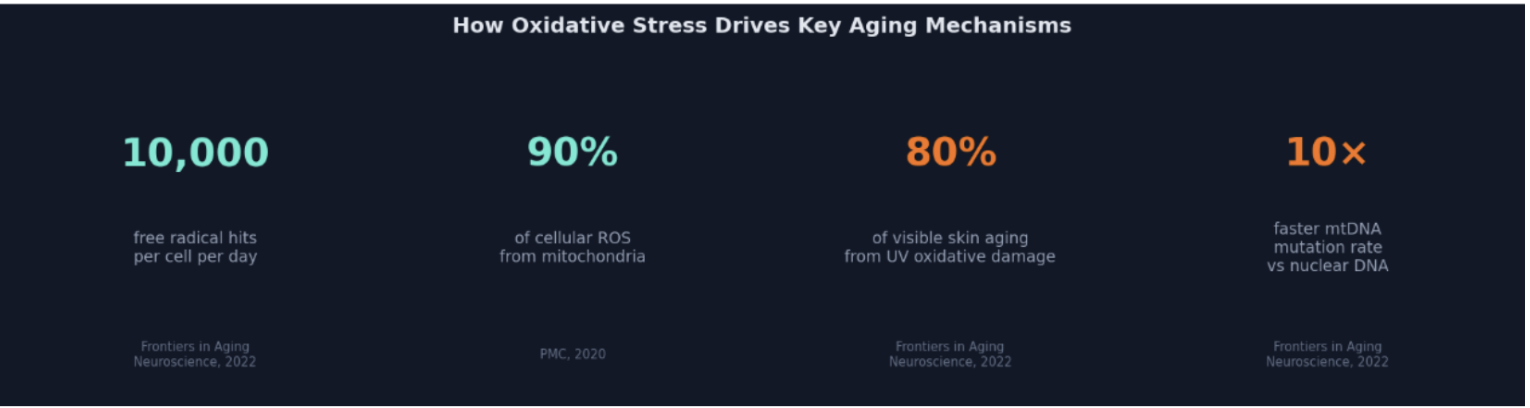
Antioxidants are naturally occurring compounds, often found in vitamins and minerals, that eliminate free radicals and thus protect the body from oxidative stress. Some are supplied to the body through eating foods that contain antioxidants such as vitamin C and vitamin E containing foods. Other powerful antioxidants are enzymes created in the body, such as glutathione and catalase.
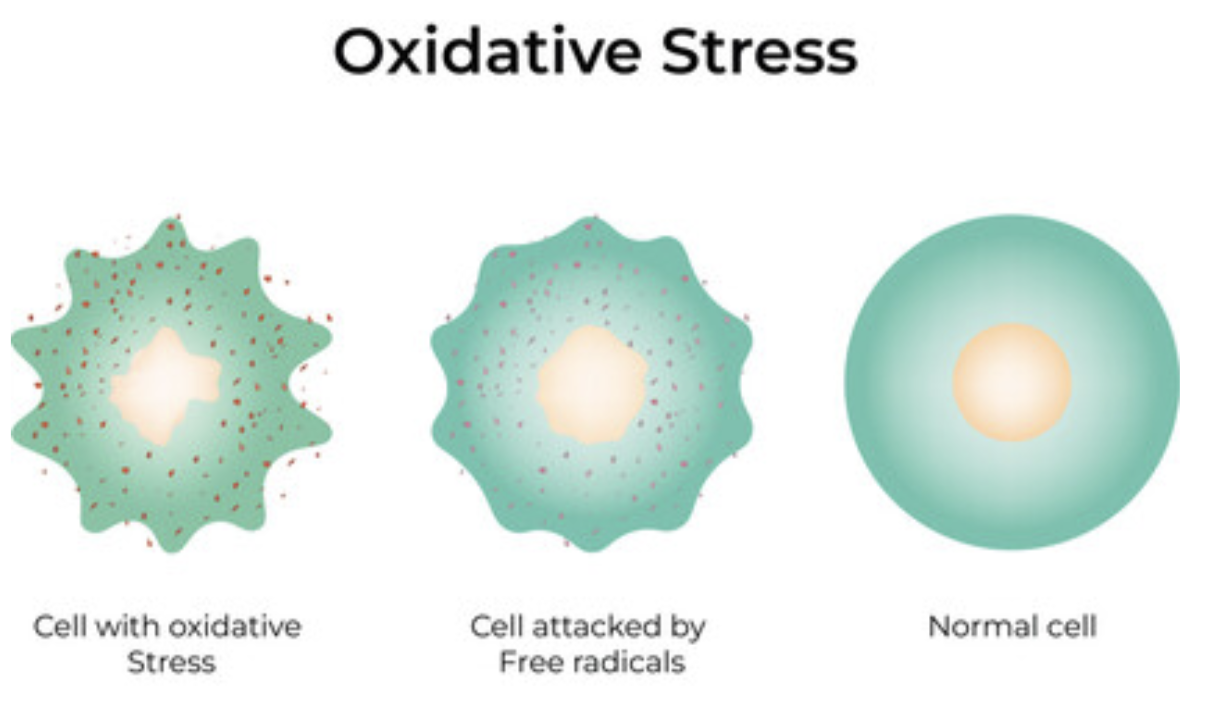
How do I know I may have oxidative stress?
Signs of oxidative stress can include poor integumentary health (hair, skin and nails), poor lymphatic drainage (puffiness in the face and neck, sinus congestion), joint pain that is present even with limited arthritic changes, symptoms of systemic inflammation and a general feeling of being “unwell” or “inflamed.” The brain in particular is highly susceptible to oxidative stress due to the large amount of oxygen it requires. (5) Persistent brain fog and fatigue along with visible stress markers apparent on the exterior of the body are a good indicator that you need antioxidant support.
How does oxidative stress affect aging?
Free radicals attack collagen, leading to premature aging and stress to the skin. They also “switch on” the enzyme that breaks down elastin, the protein in connective tissues that keeps the skin supple and pliable. This is one way that oxidative stress impacts the body—and there are many others. As we stated earlier, the central nervous system (brain) requires significant antioxidant support to function well. Diseases affecting the brain like Alzheimer’s, Parkinson’s and dementia have a significant oxidative stress component. More recently, disorders like anxiety and depression are also being linked to central nervous system oxidative stress. (5)
Why is oxidative stress present and what makes a person likely to experience it at a younger age?
In practice, I occasionally see patients whose vitamin C levels are consistently on the low end of normal, even with adequate fruit and vegetable intake. The reason for this is not that they aren’t consuming enough, but that their bodies are burning through vitamin C at a higher rate due to increased oxidative stress.
Oxidative stress can have a familial and genetic component. (6) Certain variations in genetic expression can affect antioxidant production in the body and genetically predispose people to greater oxidative stress. Acquired health factors that may or may not have a genetic component such as autoimmunity, heart disease and other forms of chronic disease increase the stress on the body and require additional antioxidative and nutritive support.
How to Support Antioxidant Functions in the Body?
Liposomal high-dose vitamin C
High-dose vitamin C floods the body and cells with antioxidant support. Liposomal forms are more effective because they allow greater absorption into the cell. Liposomal supplements and vitamins are coated in a phospholipid layer that allows for greater absorption. A 2024 study showed that combining high-dose vitamin C with resveratrol orally reduced protein damage by 49% and increased oxidative capacity by 30% over 3 months. (2) Resveratrol is a naturally occurring chemical compound found in grape skins, wines and berries.
Glutathione
Glutathione is a powerful antioxidant that acts as an enzyme to clear cellular debris and circulating free radicals. It is highly active overnight to help “powerwash” the brain. Glutathione is a highly important enzyme in the body and is required for dozens to hundreds of reactions. (7) If glutathione demands are higher due to chronic disease, lifestyle, or genetic factors, insufficiency of glutathione can lead to less optimal antioxidant support. Glutathione + vitamin E + selenium are a great combination to support oxidative health.
Red Light Therapy
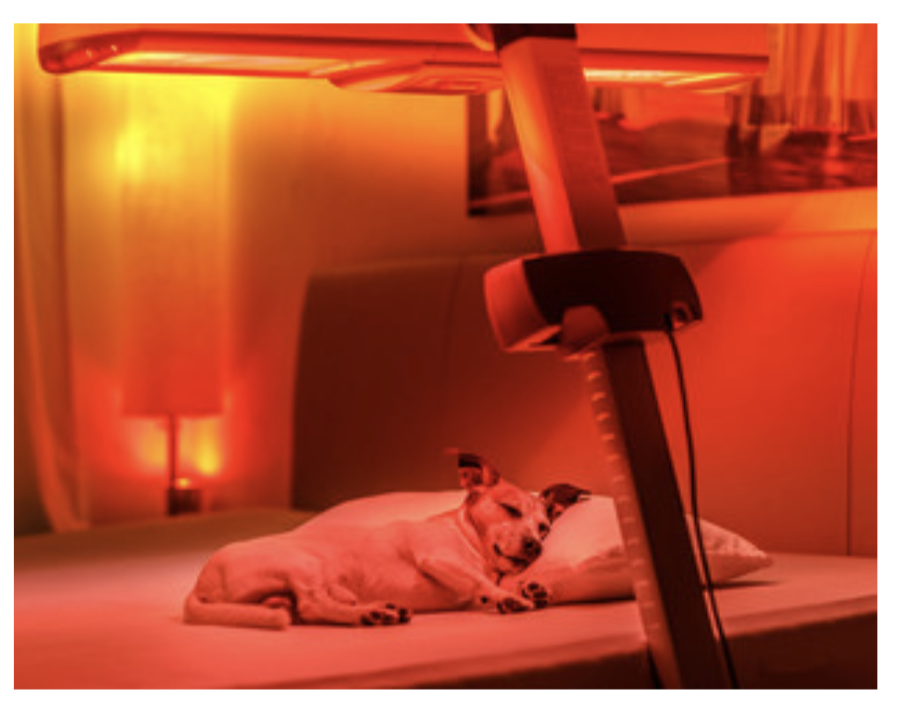
Red light therapy is a promising new modality. Studies have shown it turns on antioxidant enzyme production in the body (glutathione and catalase). Red light stimulates production within the body without requiring outside intake. It supports mitochondrial health & ATP production, essentially giving a cellular energy boost. (3)
Hydrogen Water
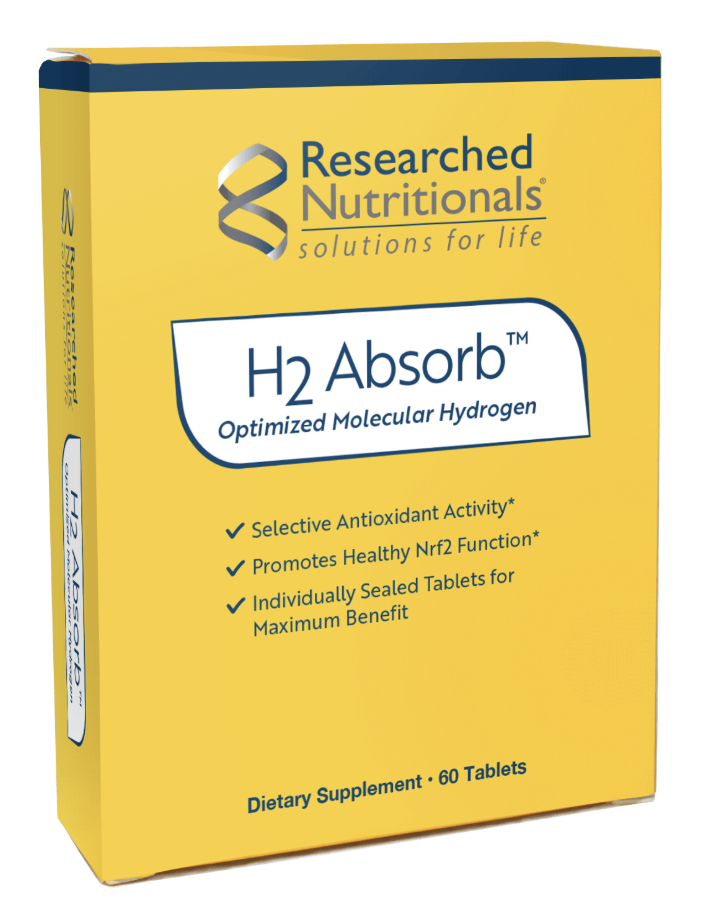
Adding H2 hydrogen packets to water is a unique way to combat oxidative stress through eliminating free radicals directly. Unlike some other methods, hydrogen atoms only bind to and remove directly harmful free radicals.
Mitochondrial Support
Your mitochondrial energy is responsible for “cleaning up” free radicals. Supporting mitochondrial function can be done through red light therapy and targeted supplementation based on your presentation, such as L-carnitine, CoQ10, and alpha lipoic acid.
In summary…
It is not possible to avoid all oxidative stress impacts. If you suspect or your family are more prone to oxidative stress, supplementing with high-dose vitamin C, glutathione, CoQ10 and other supportive nutraceuticals may be indicated. Red light therapy and lymphatic drainage massage also aide the body in providing extra support. Mitochondrial and antioxidant function can be assessed through detailed functional medicine exam and testing to determine targeted interventions to support your journey through life & aging. Getting older does not have to mean fatigue, joint pain & decreased brain function.
The best way to support anti-aging is not through topical products but through internal regulation at the chemical level through nutrient support, red light therapy and oxidative support. Work at the level where the damage actually begins.
References
1.
Lee, J., & Kim, H.-J. (2026, June 17). Normal aging induces changes in the brain and neurodegeneration progress: Review of the structural, biochemical, metabolic, cellular, and molecular changes. Frontiers. https://www.frontiersin.org/journals/aging-neuroscience/articles/10.3389/fnagi.2022.931536/full
Montoya-Estrada, A., García-Cortés, A. Y., Romo-Yañez, J., Ortiz-Luna, G. F., Arellano-Eguiluz, A., Belmont-Gómez, A., Lopéz-Ugalde, V., León-Reyes, G., Flores-Pliego, A., Espejel-Nuñez, A., Solis-Paredes, J. M., & Reyes-Muñoz, E. (2024, November 3). The administration of resveratrol and Vitamin C reduces oxidative stress in postmenopausal women-a pilot randomized clinical trial. Nutrients. https://pmc.ncbi.nlm.nih.gov/articles/PMC11548005/
Herrera, M. A., Ribas, A. P., Costa, P. E. da, & Baptista, M. S. (2026, June 17). Red-light photons on skin cells and the mechanism of photobiomodulation. Frontiers. https://www.frontiersin.org/journals/photonics/articles/10.3389/fphot.2024.1460722/full
Centers for Disease Control and Prevention. (2025, April 17). Trends in multiple chronic conditions among US adults, by life stage, behavioral risk factor surveillance system, 2013–2023. Centers for Disease Control and Prevention. https://www.cdc.gov/pcd/issues/2025/24_0539.htm
Salim, S. (2017, January). Oxidative stress and the Central Nervous System. The Journal of pharmacology and experimental therapeutics. https://pmc.ncbi.nlm.nih.gov/articles/PMC5193071/
Krishnamurthy, H. K., Rajavelu, I., Pereira, M., Jayaraman, V., Krishna, K., Wang, T., Bei, K., & Rajasekaran, J. J. (2026a, June 17). Inside the genome: Understanding genetic influences on oxidative stress. Frontiers. https://www.frontiersin.org/journals/genetics/articles/10.3389/fgene.2024.1397352/full
Glutathione Metabolism - An overview | sciencedirect topics. (n.d.-a). https://www.sciencedirect.com/topics/biochemistry-genetics-and-molecular-biology/glutathione-metabolism
Disclaimer - This document is for informational purposes only and is not intended to provide medical advice, diagnosis, or treatment. Always consult with a qualified healthcare professional before making any changes to your health regimen.