
Thyroid Health and Fertility
When a woman comes into our office struggling with fertility, fatigue, bloating, hair loss, changes in her menstrual cycle, unexplained weight changes, constipation, anxiety, or other seemingly unrelated symptoms, one of the first things we want to understand is what is happening with her thyroid.
One of the main blood tests included in our comprehensive laboratory panel is a thyroid cascade. The thyroid is a small gland, but its influence throughout the body is anything but small. Thyroid hormones play an important role in metabolism, energy production, cardiovascular function, temperature regulation, gastrointestinal function, and reproductive physiology. (1,2)
That does not mean the thyroid is always the root cause of these symptoms. In functional medicine, we look at the body as an interconnected system. A thyroid imbalance may be a primary problem, a downstream effect of another physiological disturbance, or one piece of a much larger picture, but the thyroid can be the missing piece that helps explain why a woman simply does not feel like herself.
I understand this from both sides of the patient-provider relationship. For years, I had no thyroid issues. Then, about six months postpartum, my thyroid function suddenly changed and I developed hypothyroidism. I remember what it felt like to have symptoms that did not necessarily point to one obvious problem. Fatigue, changes in how my body felt and functioned, and the experience of realizing that something physiologically had shifted can be difficult to explain unless you have experienced it yourself.
Fortunately, I did not have evidence of thyroid autoimmunity, but that experience gave me an even greater appreciation for the women I work with who are navigating Hashimoto's thyroiditis or Graves' disease, particularly when thyroid dysfunction intersects with fertility. When a woman is trying to conceive, thyroid health is not simply about a laboratory number. It can become part of a much larger conversation about ovulation, menstrual cycles, pregnancy, miscarriage, energy, metabolism, and overall health. (2)
How Does the Thyroid Affect Fertility?
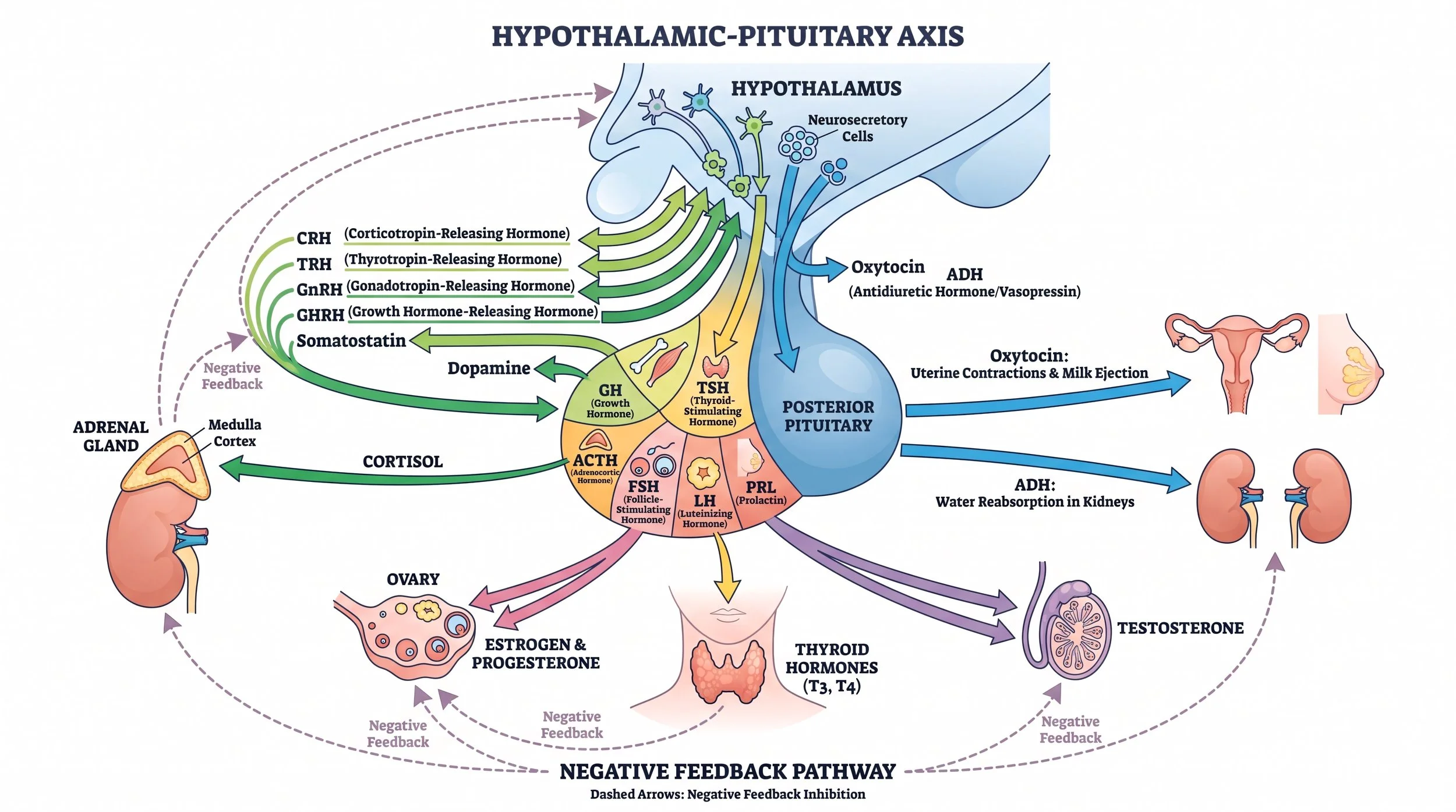
The thyroid and reproductive systems are closely connected because the thyroid hormones interact with the hypothalamic-pituitary-ovarian axis. This is the system that coordinates communication between the brain and ovaries. When thyroid function is significantly impaired, that communication can be disrupted. Overt hypothyroidism can be associated with menstrual abnormalities, ovulatory dysfunction, infertility, miscarriage, and adverse pregnancy outcomes. Untreated or inadequately treated thyroid disease during pregnancy can also have important maternal and fetal consequences. (1,2,3)
This is one reason thyroid function deserves attention when a woman presents with:
Irregular or changing menstrual cycles
Difficulty identifying or confirming ovulation
Infertility
Recurrent pregnancy loss
Heavy menstrual bleeding
Fatigue
Constipation
Hair loss or thinning
Unexplained changes in weight
Feeling unusually cold
Changes in heart rate or exercise tolerance
Importantly, these symptoms are not specific to thyroid disease. Iron deficiency, insulin resistance, nutrient deficiencies, chronic stress, sleep disruption, reproductive hormone imbalances, gastrointestinal disorders, and many other conditions can produce overlapping symptoms. That is why we don't look at the thyroid in isolation.
What About Hashimoto's and Autoimmune Thyroiditis?
Hashimoto's thyroiditis is an autoimmune condition in which the immune system targets components of the thyroid gland. It is a common cause of hypothyroidism. The most commonly measured thyroid antibodies include:
Thyroid peroxidase antibodies (TPOAb)
Thyroglobulin antibodies (TgAb)
These antibodies can help identify thyroid autoimmunity when interpreted alongside thyroid function tests and the patient's clinical history. The important clinical distinction is that Hashimoto's does not equal hypothyroidism. A person can have thyroid autoimmunity while thyroid hormone production remains normal. Conversely, a person can have hypothyroidism without Hashimoto's being the cause. (2)
This distinction becomes particularly important when discussing fertility. Research has found associations between thyroid antibodies and reproductive outcomes in some populations, including miscarriage and unexplained subfertility. However, the evidence is inconsistent. The 2024 American Society for Reproductive Medicine guideline concluded that the evidence regarding thyroid autoimmunity and miscarriage is conflicting and insufficient to establish a clear causal relationship. (3)
In other words, a positive thyroid antibody test deserves to be evaluated fully, rather than just adding a diagnostic label. A positive TPO antibody does not automatically mean that a woman is infertile, that she will miscarry, or that her immune system is attacking an embryo. Instead, it tells us that thyroid autoimmunity may be part of her clinical picture and deserves appropriate interpretation and monitoring. (2,3)
How Do We Evaluate Thyroid Function?
A conventional medical practice begins its thyroid evaluation with TSH or thyroid-stimulating hormone and Free T4 or thyroxine (the unbound, active thyroid hormone), which are the primary screening tests for thyroid dysfunction. In our office, we also evaluate these labs, and depending on the patient's symptoms, history, laboratory findings, and reproductive status, additional testing may include:
T4 Total
Free T3
T3 Total
Reverse T3
TPO antibodies
Thyroglobulin antibodies
TSH receptor antibodies (TRAb) or thyroid-stimulating immunoglobulin (TSI) when Graves' disease is suspected
Additional testing based on the patient's individual presentation
The thyroid cascade can tell us about thyroid function and where we can add valuable support through diet and supplementation. Thyroid antibodies can help us understand whether autoimmunity may be contributing to the thyroid condition. (2)
What About TSH and Fertility?
You may have heard that every woman trying to conceive should have a TSH below 2.5 mIU/L. The evidence is more nuanced than that. The 2024 ASRM guideline found that TSH levels between 2.5 and 4.0 mIU/L were not associated with an increased risk of miscarriage and concluded that there is insufficient evidence to say that subclinical hypothyroidism causes infertility. The guideline also emphasizes that thyroid testing should be interpreted using appropriate laboratory and pregnancy-specific reference ranges rather than applying a single universal cutoff to every woman. (3)
The 2026 ATA guidelines provide additional nuance for women with established hypothyroidism who are planning pregnancy, including a treatment target of TSH within the reference range but below 2.5 mIU/L for women receiving levothyroxine. This recommendation applies to women with diagnosed hypothyroidism and should not be interpreted as meaning that every woman attempting conception needs a TSH below 2.5 mIU/L. (2)
This is an important distinction because a laboratory value should never be interpreted in isolation. A woman's TSH needs to be considered alongside her free T4, symptoms, reproductive history, thyroid antibodies when clinically indicated, medications, and whether she is currently pregnant or trying to conceive.
What About Graves' Disease?
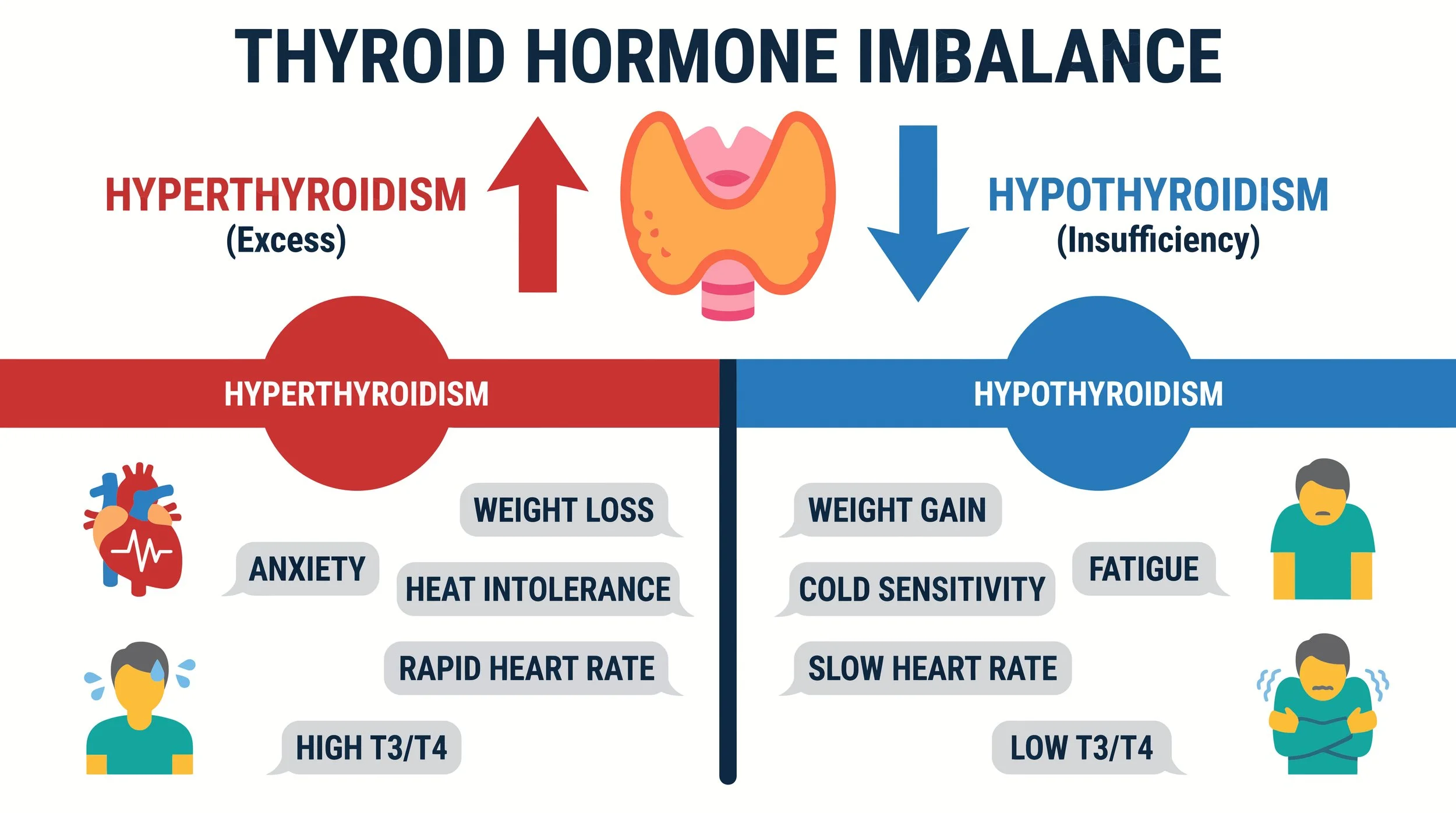
Graves' disease is an autoimmune condition that causes the thyroid to become overactive. Thyroid receptor antibodies, including TRAb and TSI, can help support the diagnosis. (2) Hyperthyroidism can affect menstrual cycles, ovulation, cardiovascular function, metabolism, and pregnancy. Both overt hyperthyroidism and overt hypothyroidism are associated with adverse pregnancy outcomes when inadequately managed. (1,2)
So when we talk about "thyroid health," we're not simply looking for a thyroid that is producing more hormone or less hormone. We are looking for appropriate thyroid function for the individual and her current physiological state.
The Postpartum Thyroid Connection
The postpartum period is another important time to pay attention to thyroid health. Some women who had normal thyroid function during pregnancy develop postpartum thyroiditis after giving birth. Postpartum thyroiditis is an autoimmune condition that can occur during the first year after delivery and may involve an initial period of hyperthyroidism followed by hypothyroidism, although not every woman experiences both phases. (2)
The hypothyroid phase often occurs several months after delivery and can involve fatigue, weight changes, constipation, dry skin, depression, and reduced exercise tolerance. That timing is particularly important because these symptoms can easily be dismissed as "just being postpartum." A woman does not have to simply accept feeling exhausted, cold, constipated, depleted, or unlike herself because she recently had a baby. (2)
Can We Naturally Support the Thyroid?
This is one of the most common questions we hear. The answer is yes, there are many ways to support healthy thyroid physiology, but "natural support" should not be confused with replacing medically necessary treatment. If a woman has overt hypothyroidism, thyroid hormone replacement may be medically necessary. If she has Graves' disease, appropriate medical management is essential. Pregnancy and preconception add another layer of importance because thyroid hormone requirements and interpretation of thyroid testing change during pregnancy. (1,2)
Functional care can work alongside conventional treatment by asking a broader question:
What does this woman's thyroid need in order to function well, and what factors may be placing additional stress on the system?
1. Ensure adequate nutrition
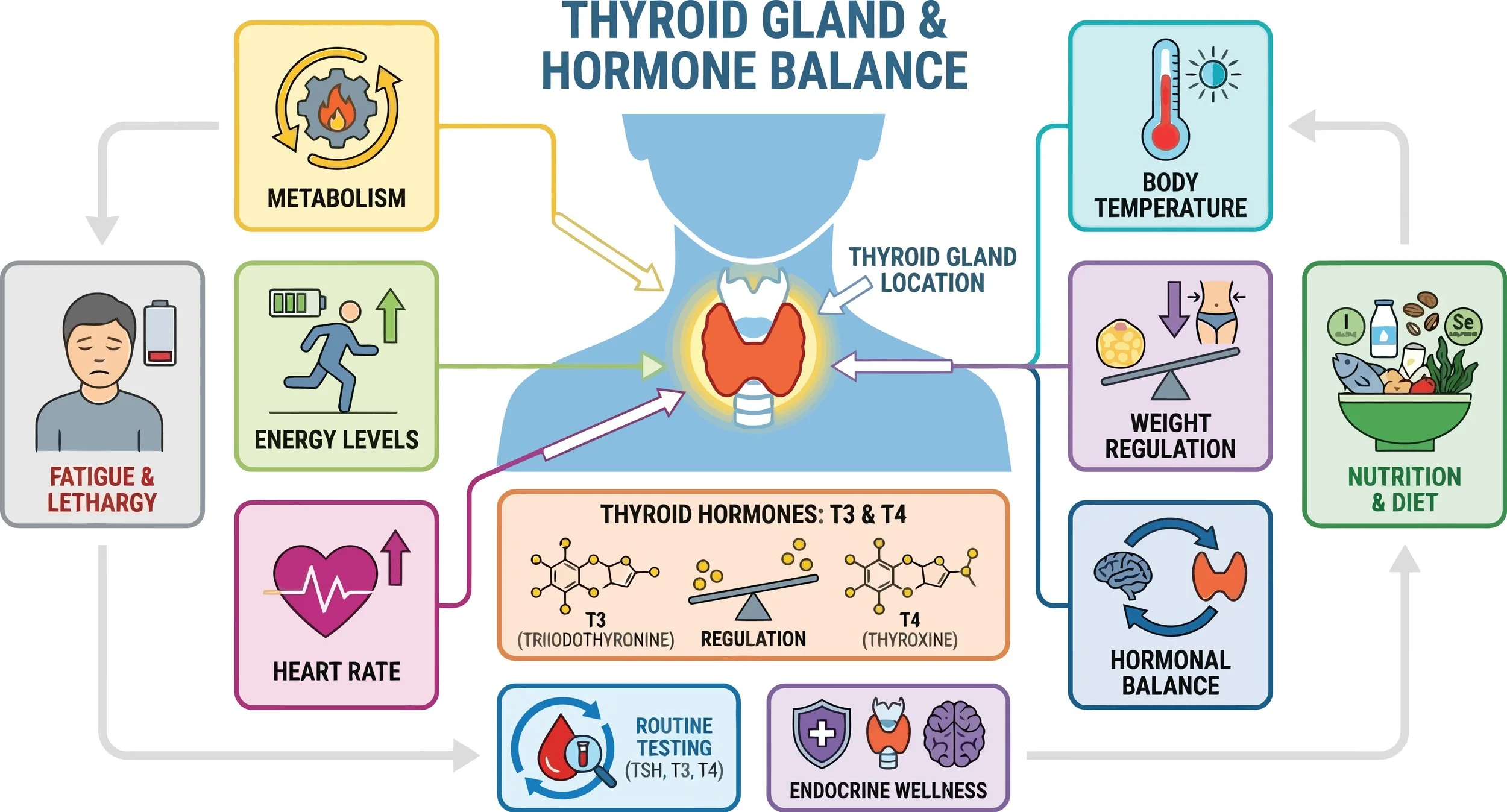
The thyroid requires specific nutrients for hormone production and metabolism.
Iodine is particularly important because it is incorporated into thyroid hormones. Iodine requirements increase during pregnancy and lactation because of increased thyroid hormone production, renal iodine losses, and fetal and infant needs. (2)
At the same time, more iodine is not necessarily better. Excessive iodine intake can adversely affect thyroid function, particularly in susceptible individuals. For women who are pregnant, planning pregnancy, or breastfeeding, iodine intake should be individualized and discussed with a qualified healthcare professional. (2)
Other nutrients, including selenium, iron, zinc, vitamin D, and B vitamins, may also be relevant to thyroid and overall physiological function. Selenium, in particular, has been studied in Hashimoto's thyroiditis, with recent evidence suggesting that supplementation may reduce TSH and thyroid antibody levels in some individuals, although the evidence does not support treating selenium as a replacement for standard thyroid care. (4)
The goal is not to take every thyroid supplement available. The goal is to identify and address actual nutritional insufficiencies.
2. Support metabolic health
The thyroid and metabolic systems are deeply interconnected. Adequate protein, blood sugar regulation, movement, resistance training, sleep, and a nutrient-dense whole-food diet can all contribute to healthier metabolic physiology. This is especially important when thyroid symptoms overlap with insulin resistance, PCOS, or other metabolic concerns.
3. Pay attention to gut health
The gastrointestinal tract is not separate from endocrine and immune health. Digestion, nutrient absorption, intestinal motility, the gut microbiome, and immune regulation all interact with broader physiological systems. This does not mean that "leaky gut causes Hashimoto's" or that eliminating one food will cure autoimmune thyroid disease. Those claims go beyond the current evidence. Instead, we look at gastrointestinal health as one component of the larger physiological environment.
4. Prioritize sleep and stress regulation
The endocrine and immune systems respond to changes in sleep, stress, energy availability, and recovery. Chronic physiological stress does not mean that someone "caused" her Hashimoto's because many autoimmune diseases are multifactorial, but supporting adequate sleep, recovery, nervous-system regulation, movement, and emotional well-being can be valuable components of whole-person care.
5. Avoid unnecessary extremes
When someone receives a Hashimoto's diagnosis, it is easy to dive into an internet rabbit hole of restrictive diets, dozens of supplements, and fear around individual foods. We prefer a more individualized approach and ask: What does this particular woman need? This is where lab testing is so important.
The Thyroid Is One Piece of the Fertility Puzzle
At ViaVitae, we don't believe every symptom has one root cause, but assess the body as a system. The thyroid communicates with the brain, ovaries, metabolic system, immune system, gastrointestinal tract, and reproductive system. When one part of that system becomes dysregulated, other systems may respond. That is why our fertility evaluations look beyond a single hormone or laboratory marker.
For one woman, the thyroid may be a major contributor. For another, the thyroid may be functioning normally while iron deficiency, insulin resistance, PCOS, endometriosis, nutritional insufficiency, gastrointestinal dysfunction, or another factor is contributing to her symptoms. And for another woman, the thyroid may be only one piece of a much larger picture.
Our goal isn't simply to find an abnormal laboratory value. It's to understand the physiology behind the symptoms and determine what the whole system needs to function well. Fertility is more than the ability to become pregnant. Fertility biomarkers combined are one of the body's vital signs.
References
American College of Obstetricians and Gynecologists. (2020). Thyroid disease in pregnancy. Obstetrics & Gynecology, 135(6), e261–e274. https://doi.org/10.1097/AOG.0000000000003893
Korevaar, T. I. M., Leung, A. M., Alexander, E. K., et al. (2026). American Thyroid Association 2026 Guidelines for Thyroid Disease in Preconception, Pregnancy, and Postpartum. Thyroid, 36(5), 481–544. https://doi.org/10.1177/10507256261445624
American Society for Reproductive Medicine Practice Committee. (2024). Subclinical hypothyroidism in the infertile female population: A guideline. Fertility and Sterility, 121(5), 765–782. https://doi.org/10.1016/j.fertnstert.2023.12.038
Huwiler, V. V., Maissen-Abgottspon, S., Stanga, Z., Mühlebach, S., Trepp, R., Bally, L., & Bano, A. (2024). Selenium supplementation in patients with Hashimoto thyroiditis: A systematic review and meta-analysis of randomized clinical trials. Thyroid, 34(3), 295–313. https://doi.org/10.1089/thy.2023.0556