
Treating Dysautonomia & the Autonomic Nervous System
Dysautonomia is not a single condition but rather an umbrella term that covers various disorders affecting the autonomic nervous system (ANS). This complex system controls involuntary bodily functions such as heart rate, blood pressure, digestion, and temperature regulation. When the ANS malfunctions, it can lead to a wide range of symptoms and associated conditions, making dysautonomia a challenging disorder to diagnose and treat.
The Autonomic Nervous System: A Brief Overview
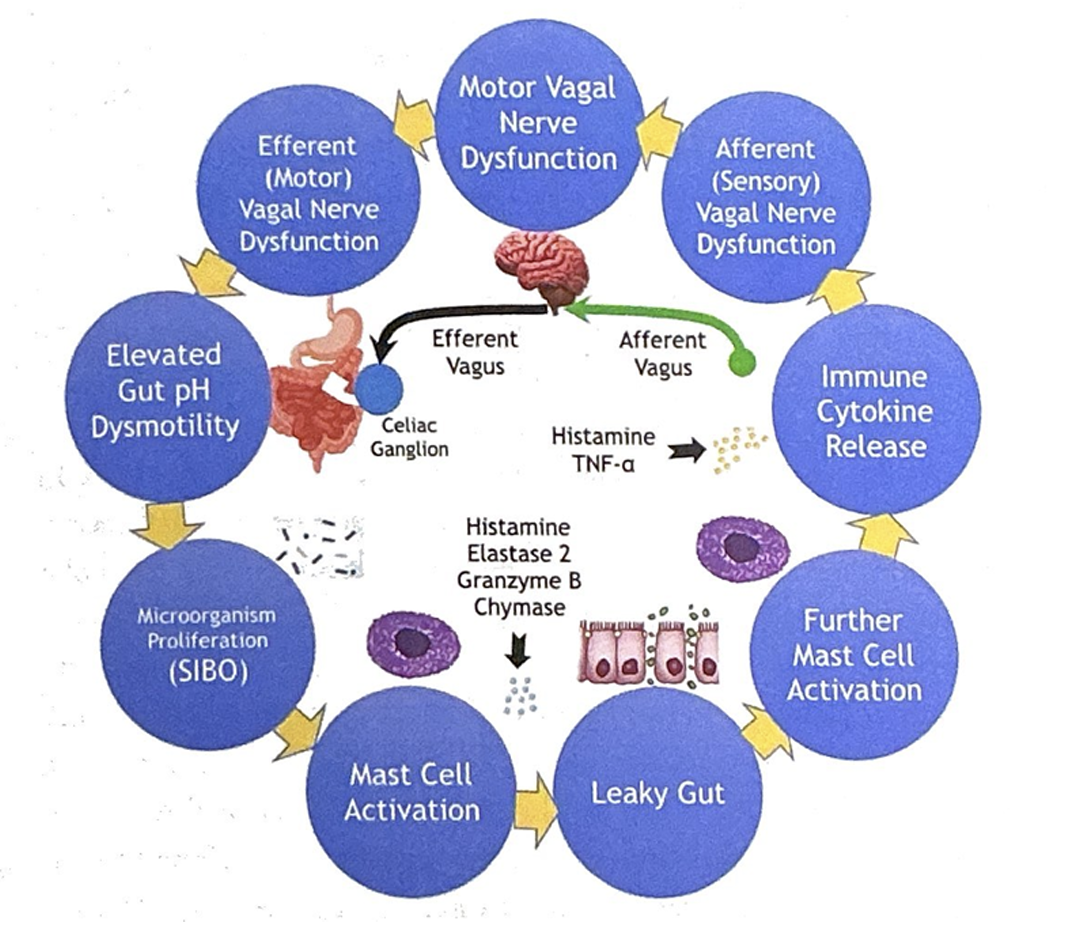
The autonomic nervous system is divided into the sympathetic, parasympathetic, and enteric (gut) divisions. These divisions work together to maintain homeostasis in the body without conscious effort on our part. The vagus nerve, or cranial nerve 10, plays a crucial role in transmitting signals between the gut and the brain and is a vital part of the gut-brain connection. In fact, the vagus nerve transmits 4x the signals from the gut to the brain than the brain does to the gut--meaning the health of the GI tract and the signals it feeds to the brain is VERY important!
Symptoms and Signs of Dysautonomia
Dysautonomia can manifest in numerous ways, with symptoms varying greatly from person to person. Common symptoms include:
Heart palpitations
Dizziness and lightheadedness, often related to orthostatic intolerance
Abnormal sweating patterns (either too much or too little)
Temperature intolerances
Cold or discolored extremities
Vision changes, dry eyes and dry mouth
Sensation of a lump in the throat, tight band around the chest, or difficulty breathing
Gastrointestinal issues, such as difficulty finishing meals or changes in digestion
These symptoms can severely affect quality of life, causing discomfort and anxiety for those affected.
Diagnosis: The Challenge
Diagnosing dysautonomia is particularly challenging due to its wide range of symptoms and overlap with other conditions. However, it is estimated that dysautonomia is going widely undiagnosed and un-evaluated in many patient populations, one example being chronic pain patients. Studies have shown that when measuring for dysautonomia in chronic pain patients, a very high percentage (between 65-75%) fit the subjective criteria for dysautonomia. Tests like the QSART (quantitative sudomotor axon reflex test) and tilt-table test are considered gold standards for diagnosis, but a comprehensive evaluation by a specialist is crucial. Subclinical presentations of autonomic nervous system dysfunction, such as in the chronic pain community, can be assessed through case history and subjective questionnaires.

Associated Conditions
Dysautonomia is often accompanied by other disorders, which can complicate diagnosis and treatment. Some associated conditions include:
Ehlers-Danlos Syndrome, particularly the hypermobile type, which can cause joint instability and other connective tissue issues
Mast Cell Activation Syndrome (MCAS), which may exacerbate symptoms like gastrointestinal discomfort
Long COVID, which has been linked to new-onset dysautonomia in some patients
Autoimmune diseases
Chronic pain
History of traumatic brain injury/concussion
Upper cervical instability
Treatment Approaches
Managing dysautonomia requires a multidisciplinary approach. Treatment strategies often include lifestyle modifications, such as:
Increasing salt and fluid intake to help maintain blood pressure
Eating small, frequent meals
Avoiding prolonged standing or sitting
Medications may also be prescribed to manage specific symptoms, while physical and occupational therapy can help improve daily functioning.
Lifestyle and Alternative Therapies
In addition to traditional medical treatments, alternative therapies can also play a role in managing dysautonomia. Chiropractic care focuses on promoting the health of the nervous system, so nervous system-based chiropractic care and neuromuscular re-education can be an important part of a person’s treatment for dysautonomia. Some examples of the techniques doctors of chiropractic may recommend for you include:
Stress management techniques, like diaphragmatic breathing and gratitude journaling
CMT or chiropractic manipulative therapy, particularly very gentle techniques for the upper cervical spine
Acupuncture, vagal nerve stimulation, and microcurrent therapy
Neuromuscular re-education to retrain proprioception and diaphragmatic engagement and treat cranial nerve dysfunctions
Dietary supplements, such as omega-3 fatty acids, B1, B12, and certain botanicals, which may support nervous system health
Further lab testing, stool and urine analysis when indicated
Dynamic imaging or x-rays to evaluate the structure of the spine
Living with Dysautonomia
Many patients report symptoms of dysautonomia that are often dismissed or diagnosed as anxiety. Evaluation of your nervous system from a functional and chiropractic standpoint can offer an alternative approach to management of symptoms in people with chronic pain and other conditions. There are many options to promote the overall health and function of the body and of the nervous system, taking into account the innate ability the body already possesses to heal.