
Newsletter Mar2026. Your Body is a Map

March is Nutrition Health Month, so at ViaVitae we are highlighting components of nutrition in our practice. When looking at any particular health presentation and evaluating nutritional status, the physical exam findings (skin, hair, nails, and mouth) highlight the physical manifestations of nutrient insufficiencies represented in your body (2,11). This approach often goes beyond a traditional nutritional lab panel and is personalized based on individual needs. Think of the body as a map: your external body will point to internal deficiencies. The physical nutrition exam is important in identifying a potential lack of nutrients (2). This points the clinician in the right direction for more targeted lab testing and interventions. We examine these systems in detail because your body tells us areas that need more attention and support. Through visual examination, potential insufficiencies can be identified: Your external body tells us a story of your internal health (2,11).
Note: This is not medical advice. All symptoms, concerns or suspected insufficiencies should be clinically correlated by your provider. Talk with your provider before starting any new herbals or supplements, especially if you are on prescription medications.
State of Nutrition in the U.S.
Although we live in a society that generally has good access to food and caloric needs, we often lack nutritional value in our food. A significant portion of US adults are not reaching adequate daily levels of zinc and vitamin A, D, E and C, most notably vitamin D (1). An estimated 94-95% of individuals ages 19-71 are below the estimated average requirement (EAR) in Vitamin D, and between 83-91% of individuals are below the EAR for vitamin E (1). Insufficiency in magnesium is between 47-68% (1). Almost every vitamin and mineral is not obtained in sufficient dietary requirements in a percentage of adults.
Another study showed that 50% of women do not get adequate dietary selenium (3). Trace minerals like copper, iron and iodine are commonly insufficient and that percentage increases in certain populations (3).
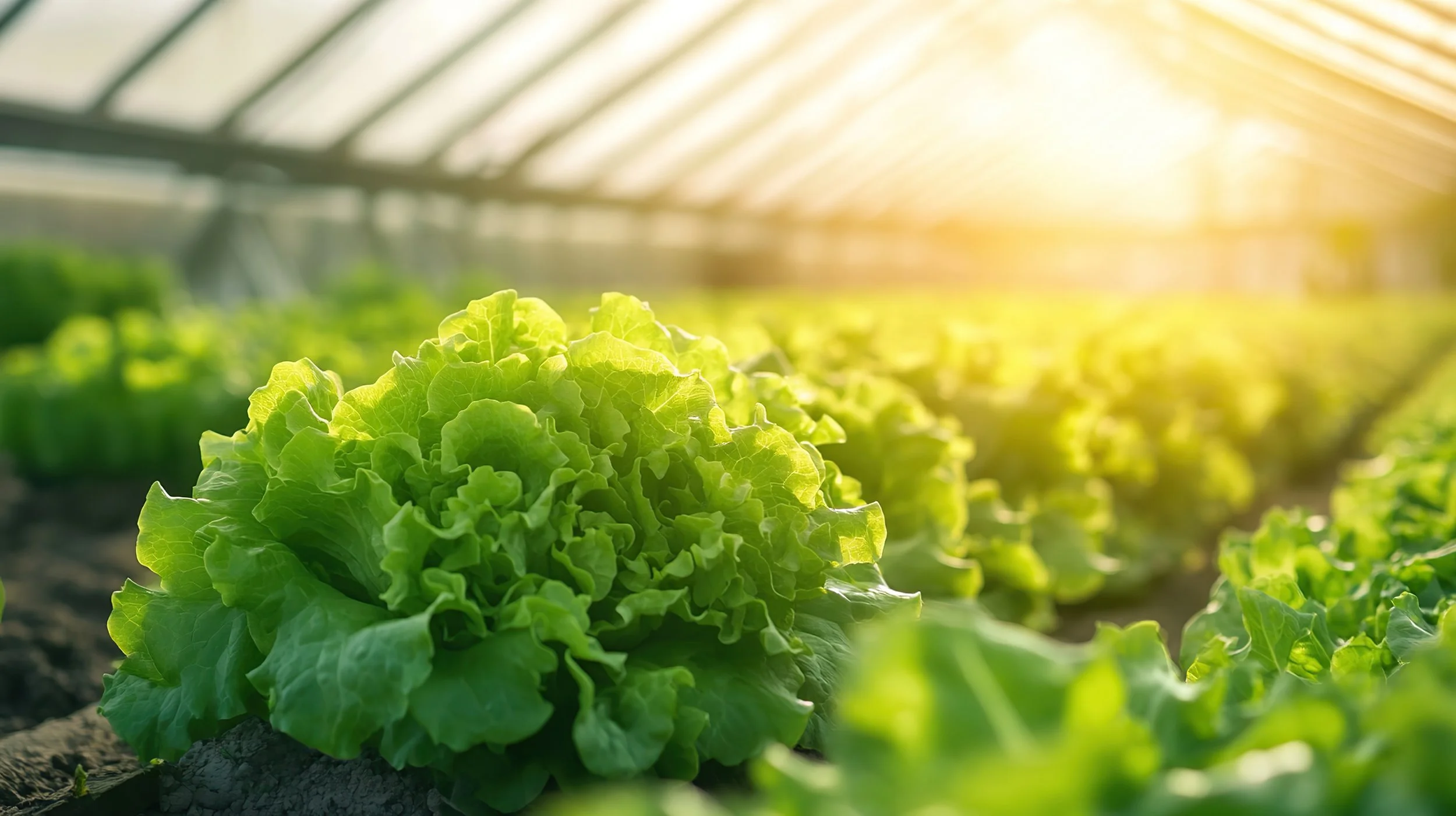
Part of the reason dietary intake is not sufficient in our population is because of the decreased quality in the soil and of our vegetables, fruits and grains (4,5). A mineral content comparison showed marked reductions in mineral content in fruits and vegetables over the past 50 years (5). In this study, every mineral except for one was decreased in our produce (5). A national health and nutrition examination survey (NHANES USA) showed that 23% of Americans are deficient in 1 nutrient, and 6% are deficient in 2 (3). However, the percentage of the population that is experiencing insufficiencies currently being studied is thought to be much higher, and identifying these insufficiencies should take prevalence in our management of chronic disease and disease prevention (3).
Insufficiency vs Deficiency
It is important to note that nutrient insufficiency in the US has a different presentation than the malnutrition and deficiencies that are widespread in less developed countries and may not immediately show up on basic lab panels, so it is often missed. In functional medicine, we distinguish between a true deficiency and a less than optimal amount of nutrients. When addressing chronic disease, we view nutrient health on a spectrum. Insufficiency indicates a level where nutrients are present but not enough for optimal health. This is common in people with higher oxidative stress due to chronic disease, chronic inflammation and toxic overload, and this is what we primarily address in the functional medicine model. People with particular genotypes or acquired medical conditions or stressors may need MORE of a nutrient than another person.
We are focused on moving the body into a more optimal state of health, and with the current prevalence of deficiencies and insufficiencies in our population, a detailed physical nutritional examination is an important part of our evaluations (7,8,11).

The Physical Exam: Integumentary System & Digestive System
The integumentary system is part of our protective layer against the outside world: skin, hair and nails. It provides great insight into the internal function of the body and can represent many different insufficiencies (8,9,10,11). Conditions like dermatitis, eczema, and psoriasis are representative of and connected to what’s going on inside the body (7,10).

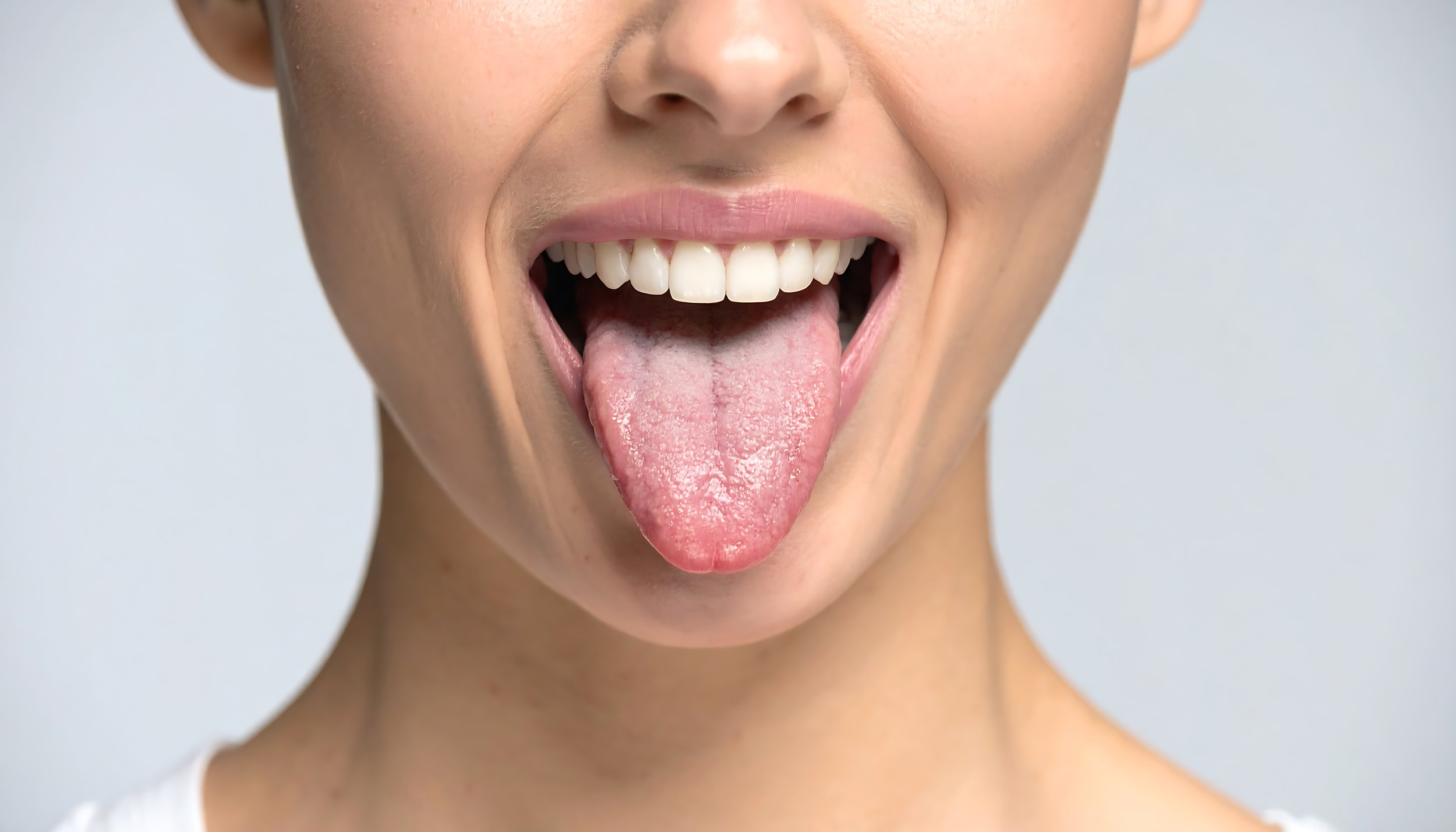
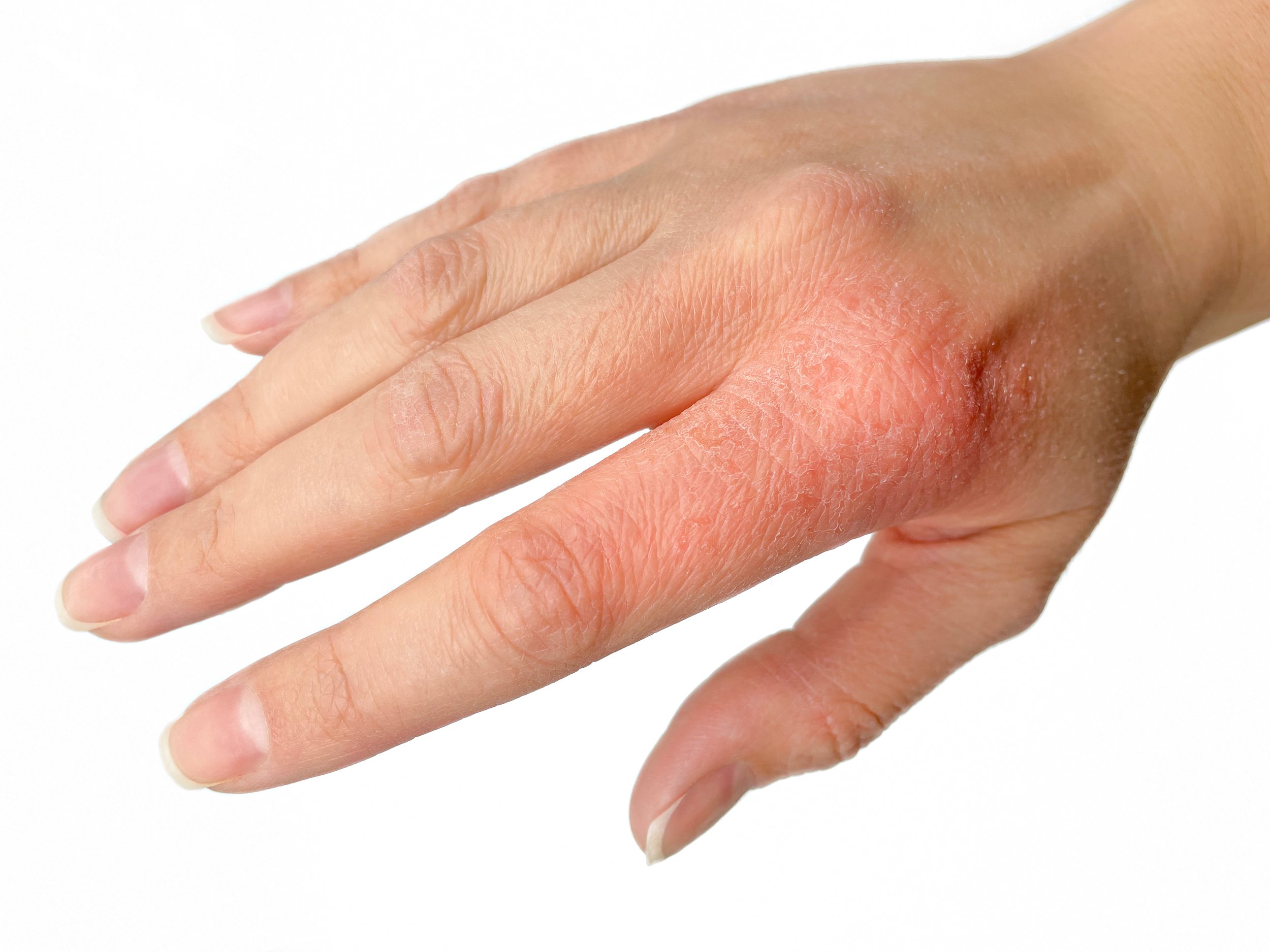
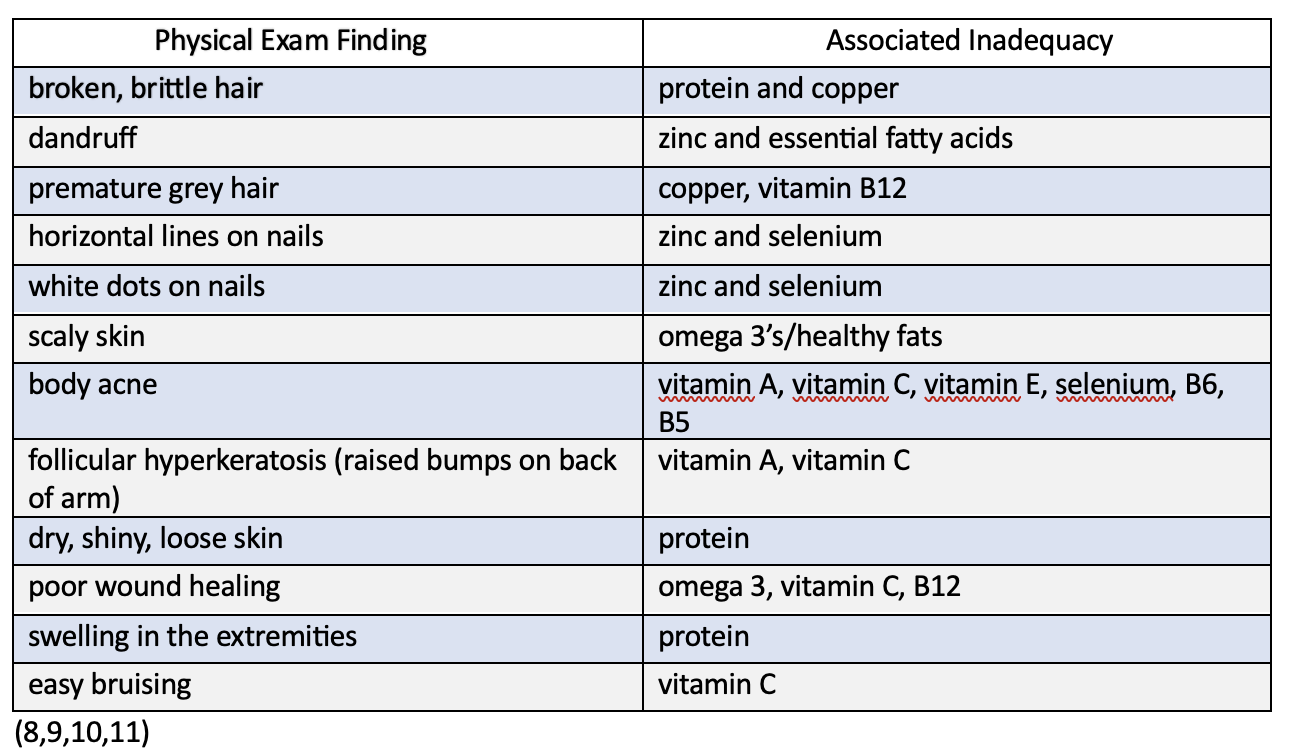
The following is a rapid-fire list of common physical exam findings and their potential nutrient inadequacies in hair, skin and nails:
Oral health is Digestive Health
The mouth is the entrance to and is part of the digestive tract. It is responsible for beginning the process of digesting and absorbing food.
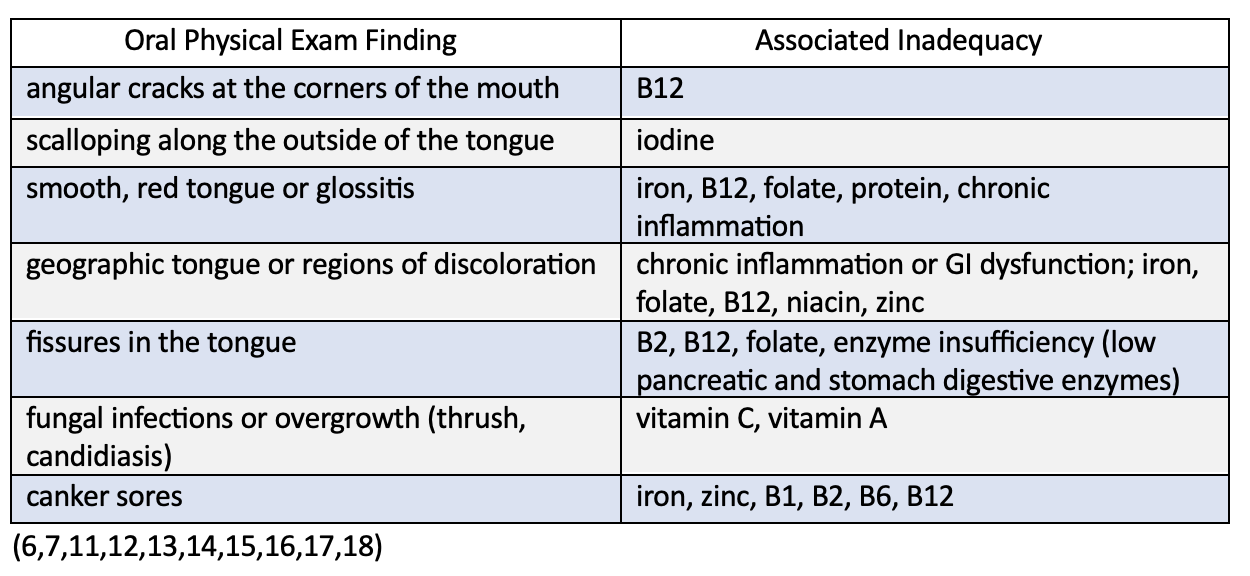
The tongue is a particular point of interest. The health and state of the tongue represents the nutritional status in the body (6,7,14,15,16,17).
Here are some of the common findings in oral health that represent lack of nutritional health:
In Conclusion
People are sometimes told their labs are normal and that they have no nutrient deficiencies according to basic lab panels. When the patient is evaluated from a perspective that takes into account personal history correlated with clinical physical exam, assessment is made for physical signs of insufficiencies as outlined above that take into account deficiency as a continuum (2). Health and nutritional status is a continuum and can be shifted when we focus not only on diagnosis of disease but on optimal health and function.
References
1. C. A., Chung, R. Y., Devarshi, P. P., Grant, R. W., & Hazels Mitmesser, S. (2020). Inadequacy of Immune Health Nutrients: Intakes in US Adults, the 2005-2016 NHANES. Nutrients, 12(6), 1735. https://doi.org/10.3390/nu12061735
. https://creativecommons.org/licenses/by/4.0/. Licensed under CC BY 4.0.
2. Esper, D. H. (2015). Utilization of nutrition‐focused physical assessment in identifying micronutrient deficiencies. Nutrition in Clinical Practice, 30(2), 194–202. https://doi.org/10.1177/0884533615573054
3. Bird, J., Murphy, R., Ciappio, E., & McBurney, M. (2017). Risk of deficiency in multiple concurrent micronutrients in children and adults in the United States. Nutrients, 9(7), 655. https://doi.org/10.3390/nu9070655
4. Davis, D. R., Epp, M. D., & Riordan, H. D. (2004). Changes in USDA food composition data for 43 Garden Crops, 1950 to 1999. Journal of the American College of Nutrition, 23(6), 669–682. https://doi.org/10.1080/07315724.2004.10719409
5. Mayer, A. (1997). Historical changes in the mineral content of fruits and vegetables. British Food Journal, 99(6), 207–211. https://doi.org/10.1108/00070709710181540
6. Philipone, E., & Yoon, A. J. (2016). Mucosal manifestations of nutritional deficiencies. Oral Pathology in the Pediatric Patient, 121–123. https://doi.org/10.1007/978-3-319-44640-0_8
7. Khayamzadeh, M., Najafi, S., Sadrolodabaei, P., Vakili, F., & Kharrazi Fard, M. J. (2019). Determining salivary and serum levels of iron, zinc and vitamin B12 in patients with geographic tongue. Journal of Dental Research, Dental Clinics, Dental Prospects, 13(3), 221–226. https://doi.org/10.15171/joddd.2019.034
8. Aşkın, Ö., Uzunçakmak, T. K., Altunkalem, N., & Tüzün, Y. (2021). Vitamin deficiencies/hypervitaminosis and the skin. Clinics in Dermatology, 39(5), 847–857. https://doi.org/10.1016/j.clindermatol.2021.05.010
9. DAWBER, R. P. (1970). Integumentary associations of pernicious anaemia. British Journal of Dermatology, 82(3), 221–223. https://doi.org/10.1111/j.1365-2133.1970.tb12428.x
10. DiBaise, M., & Tarleton, S. M. (2019). Hair, nails, and skin: Differentiating cutaneous manifestations of micronutrient deficiency. Nutrition in Clinical Practice, 34(4), 490–503. https://doi.org/10.1002/ncp.10321
11. Brech, D. (2023). Assessment of nutrition status of adults using the nutrition-focused physical examination. Journal of the Academy of Nutrition and Dietetics, 123(9). https://doi.org/10.1016/j.jand.2023.06.064
12. Sunil, S., & Deepak, P. (2006). Oral manifestations of dermographism. Journal of Oral and Maxillofacial Pathology, 10(1), 36. https://doi.org/10.4103/0973-029x.37802
13. Kullaa-Mikkonen, A., Penttilä, I., Kotilainen, R., & Puhakainen, E. (1987). Haematological and immunological features of patients with fissured tongue syndrome. British Journal of Oral and Maxillofacial Surgery, 25(6), 481–487. https://doi.org/10.1016/0266-4356(87)90140-9
14. Tolkachjov, S. N., & Bruce, A. J. (2017). Oral manifestations of nutritional disorders. Clinics in Dermatology, 35(5), 441–452. https://doi.org/10.1016/j.clindermatol.2017.06.009
15. Bačun, B., Galić, D., Pul, L., Tomas, M., & Kuiš, D. (2024). Manifestations and treatment of hypovitaminosis in oral diseases: A systematic review. Dentistry Journal, 12(6), 152. https://doi.org/10.3390/dj12060152
16. Chiang, C.-P., Chang, J. Y.-F., Wang, Y.-P., Wu, Y.-H., Wu, Y.-C., & Sun, A. (2020). Atrophic glossitis: Etiology, serum autoantibodies, anemia, hematinic deficiencies, hyperhomocysteinemia, and management. Journal of the Formosan Medical Association, 119(4), 774–780. https://doi.org/10.1016/j.jfma.2019.04.015
17. Strączek, A., Szałkowska, J., Sutkowska, P., Srebrna, A., Puzio, N., Piasecka, A., Piskorz, N., Błaszczyk, J., & Thum-Tyzo, K. (2023). Impact of nutrition on the condition of the oral mucosa and periodontium: A narrative review. Dental and Medical Problems, 60(4), 697–707. https://doi.org/10.17219/dmp/156466
Disclaimer - This document is for informational purposes only and is not intended to provide medical advice, diagnosis, or treatment. Always consult with a qualified healthcare professional before making any changes to your health regimen.