
Newsletter Feb2026. Metabolic Syndrome & Cardiac Health
Your metabolism involves all the processes involved with energy creation and usage. It can be broken down into 2 main processes: breaking down macromolecules from food into energy for your body and building up molecular structures for storage, repair and tissue growth.
Remember the Kreb’s Cycle from freshman year biology?
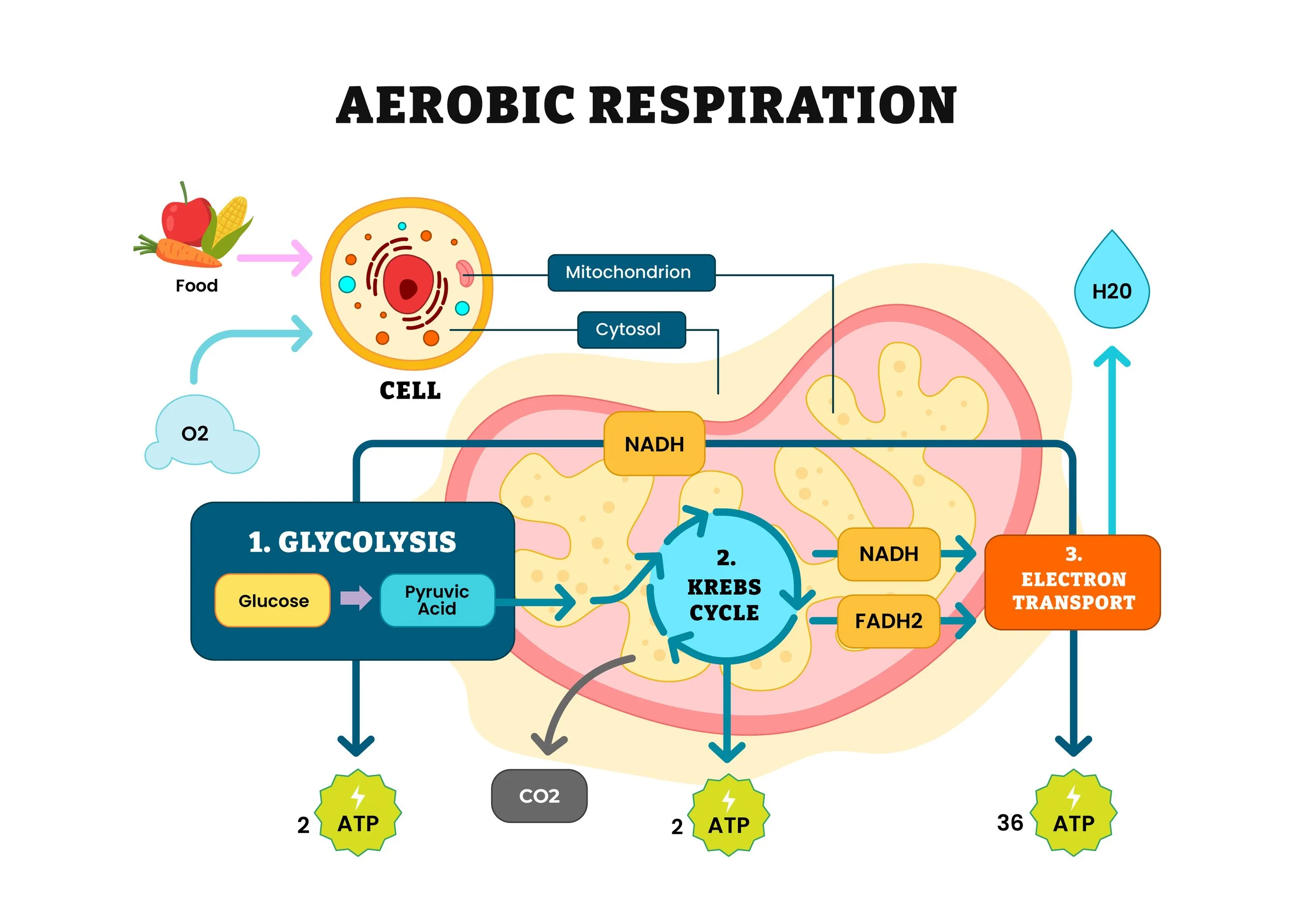
Metabolic processes like the Kreb’s Cycle occur in every cell, every second, waking and sleeping. This important system of the body is responsible for providing energy for your automatic functions like breathing. People often think of the metabolism in terms of “boosting” it to support weight loss. In reality, we want to balance your metabolism and eliminate the factors that are altering its function. Your healthy metabolism gives you energy, mental clarity, and strength.
The metabolism is complex and people can have less than optimal metabolic function without the presence of a pathological disease process. An impaired metabolism is associated with increased cardiac risk, difficulty maintaining desired weight, fatigue, and hormonal imbalance. This dysfunction of the metabolism has been categorized into what we call Metabolic Syndrome. Metabolic Syndrome is the grouping of conditions and risk factors that put a person at a higher risk for developing type II diabetes and cardiac disease. The good news is that poor metabolic function is reversible if you provide the body with the correct tools needed to promote health and good function.
Metabolic syndrome has 4 components: central obesity, hypertension, dyslipidemia and insulin resistance. Central obesity is not related to BMI, but rather more complex factors such as your body composition, waist to hip ratio, and other metrics that take into account gender, muscle mass, phenotype, and race. Hypertension/ high blood pressure and dyslipidemia/high cholesterol are both very common chronic conditions in the US. Insulin resistance is perhaps the most complex as it is often associated with hormonal risk factors and can occur without the presence of the other three. All of these factors are deeply related to cardiac health and risk, so addressing metabolic disease is a preventative approach in supporting your cardiovascular system.
The treatments for metabolic syndrome involve guided lifestyle modifications designed to better support your body’s innate abilities. These modifications can be personalized by your goals, current health, lab testing, familial and health history, and occasionally with your specific genetics. New studies are showing that metabolic syndrome is also related to dysbiosis, chronic inflammation, and oxidative stress—all factors we evaluate and address in the holistic model of chiropractic and functional medicine.
A great place for anyone to start is by what we like to call “eating the rainbow.” 🌈This involves eating high amounts of phytonutrients and polyphenols by trying to eat 1-2 servings of every color of the rainbow daily. This can be done primarily through vegetables and fruits, but also herbs and spices and teas like green tea.

If access to fresh vegetables is a concern, we love to discuss accessible ways to increase your intake like local farmer’s markets and community gardens. Drinking 2-3 cups of decaffeinated herbal teas is also an excellent way to get those extra servings of phytonutrients!
People often know the ways to support cardiac and metabolic health: eat plenty of veggies, incorporate physical exercise, get good sleep, limit sugar, etc. But everyone’s health presentation is different and each person’s goals and lifestyle matter, too. Sometimes even small, precise changes can make a big difference in supporting your health. Our team provides a systems-based functional medicine approach, supported by dietician-led nutrition guidance and principles of holistic chiropractic and traditional Chinese medicine in a truly integrative approach. If you don’t know where to start, our collaborative team at ViaVitae is here for you!
Disclaimer - This document is for informational purposes only and is not intended to provide medical advice, diagnosis, or treatment. Always consult with a qualified healthcare professional before making any changes to your health regimen.