
Breastfeeding & the Developing Immune System: A Mother's Story
As we recognize National Breastfeeding Awareness Month, it is worth celebrating one of nature's most remarkable gifts to a baby's developing immune system. Breast milk is far more than nutrition. It contains antibodies, immune cells, human milk oligosaccharides (HMOs), beneficial microorganisms, antimicrobial proteins, cytokines, growth factors, and many other bioactive compounds that help educate and support an infant's developing immune system while shaping the early gut microbiome (1,2).
Because newborns are still developing their own immune defenses, these protective components provide important support during a particularly vulnerable stage of life. Research has demonstrated associations between breastfeeding and reduced risk of certain infant infections, particularly gastrointestinal and respiratory infections (3).
This topic is especially meaningful to me personally.
Science, Faith, and Motherhood Collided
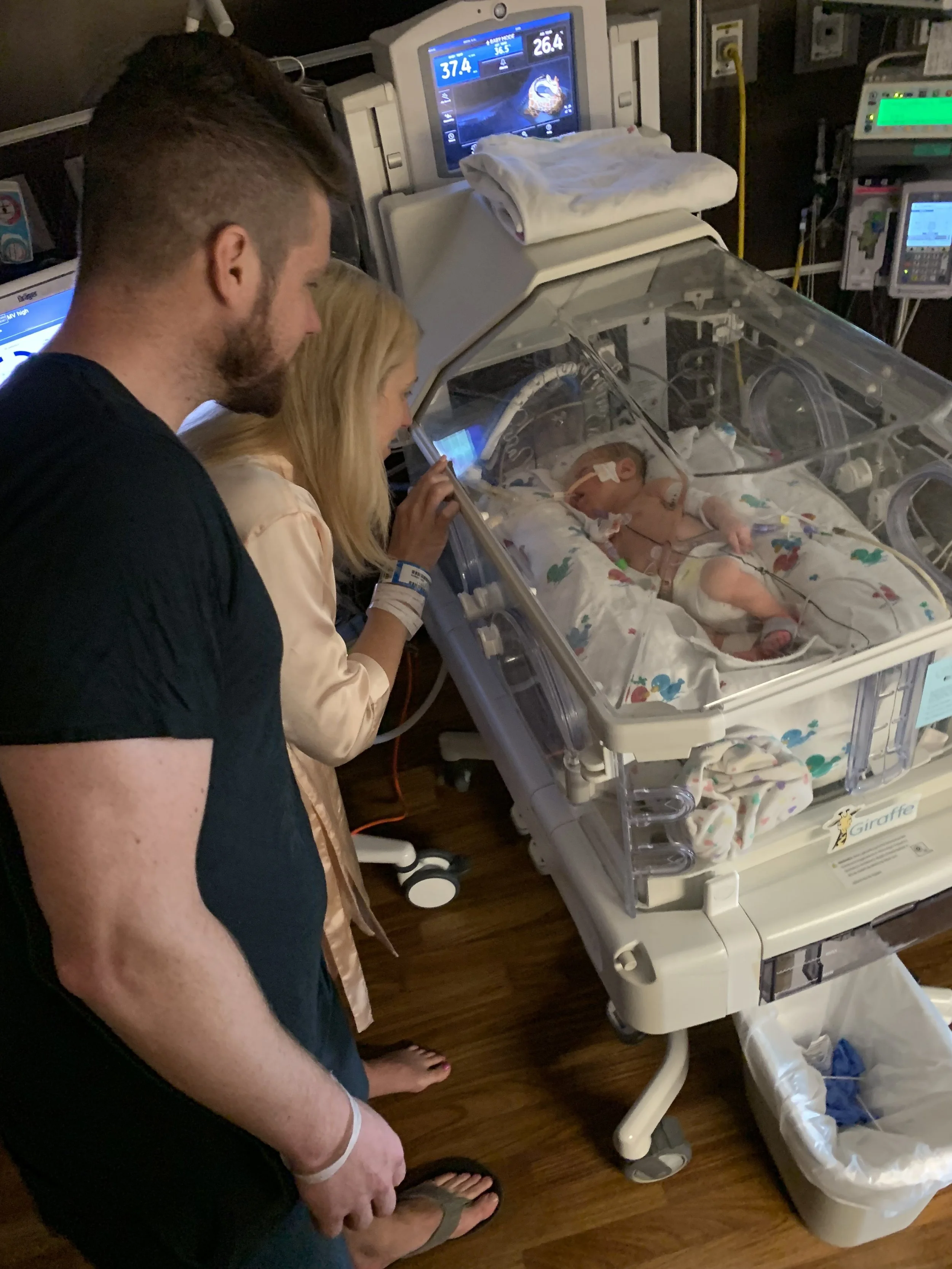
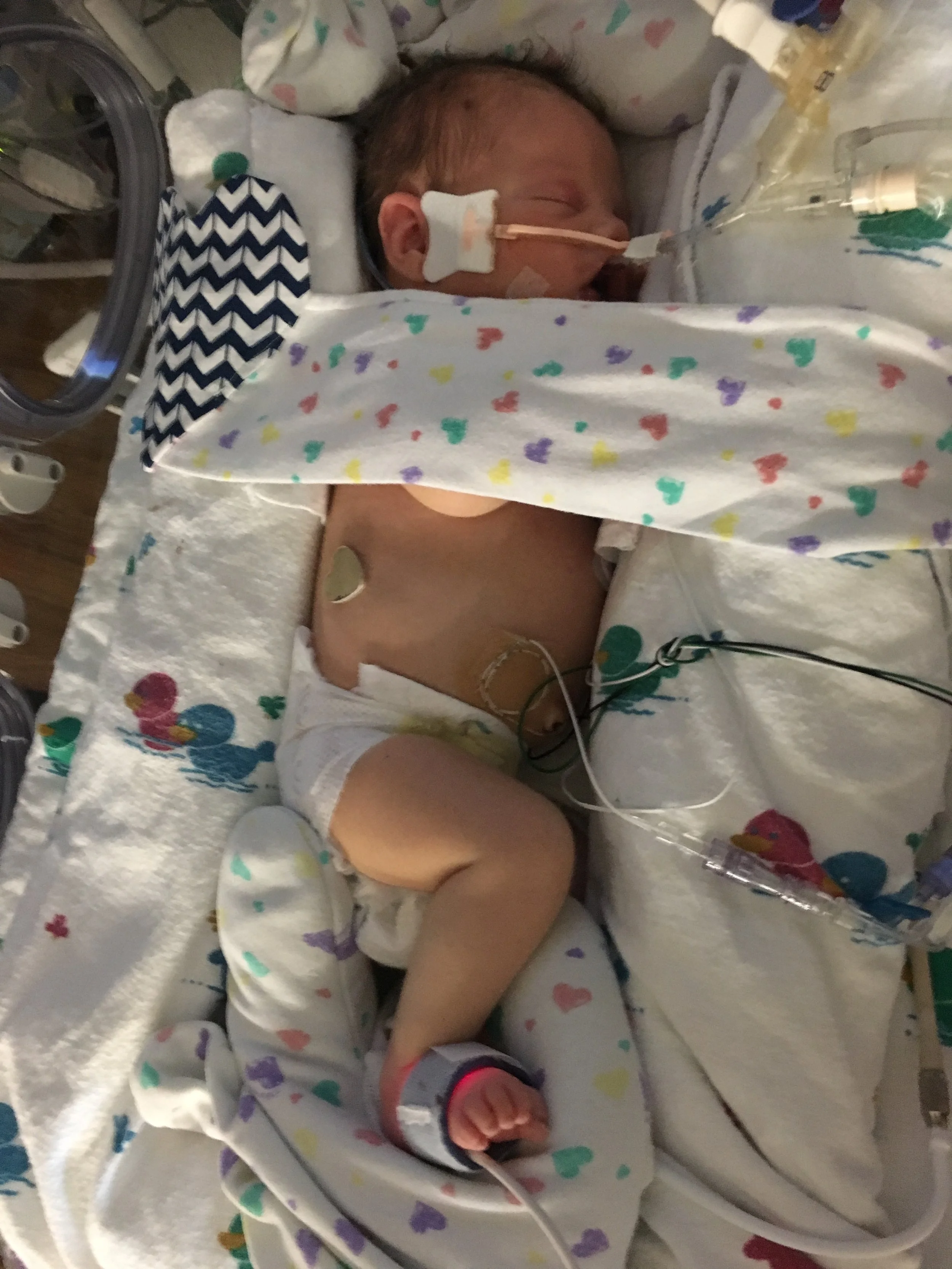
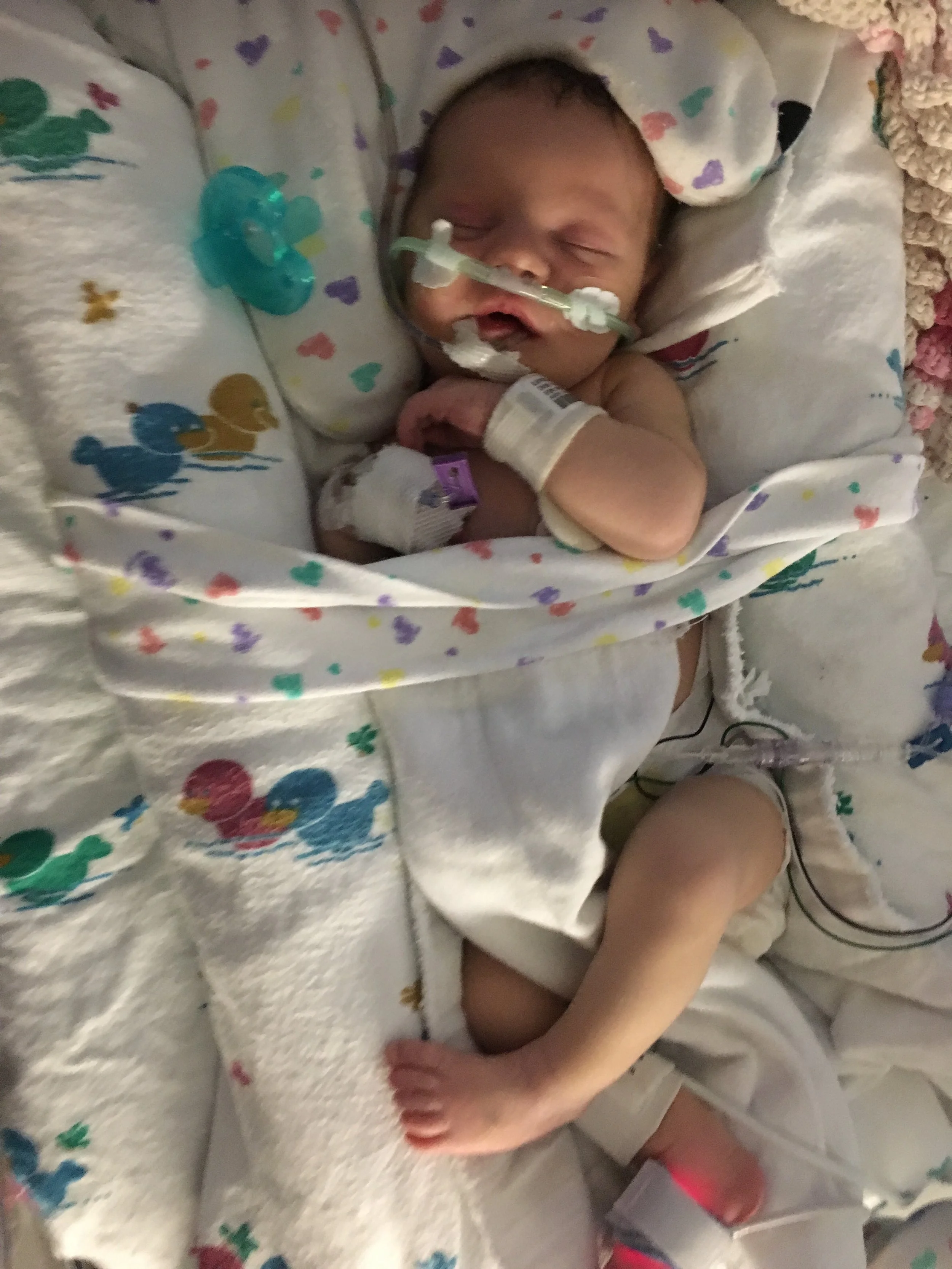
When my son, Brooks, was born, he developed Group B Streptococcal (GBS) sepsis and spent eleven days in the NICU. Group B Streptococcus (GBS) is a type of bacteria that commonly lives in the gastrointestinal and genital tracts of healthy adults, often without causing symptoms. During pregnancy and childbirth, however, GBS can sometimes be passed from mother to baby. While many infants are not affected, some newborns, especially during the first days of life, can develop serious infections such as sepsis, pneumonia, or meningitis. Early recognition and treatment with appropriate medical care, including antibiotics when indicated, are essential in protecting newborns from complications (4, 5).
One of the most difficult parts of this experience was that I had followed the recommended prenatal care guidelines. I had a negative GBS screening test at 36.5 weeks, which falls within the recommended screening window of 36 0/7 through 37 6/7 weeks of pregnancy. However, GBS colonization can change over time, meaning a negative screening result does not completely eliminate the possibility of transmission at delivery (4).
Despite doing everything I knew to do as both a mother and a physician, Brooks still developed a serious infection. The first night was torture as the nurses and doctors would wake us to tell us the daunting information about our newborn son. I was exhausted from my all-natural, unmedicated labor and new possibilities of his diagnosis, while Nathan googled everything they said and lay fearfully waiting for a positive update. The next morning, I woke up to the YouVersion Verse of the Day:
The Lord will fight for you; just stay calm. - Exodus 14:14
I knew then that Brooks was going to live and I had the “peace beyond understanding.” That did not mean it was over or that things would not be hard or scary in certain moments.
While the neonatal team appropriately focused on stabilizing him with intravenous antibiotics, fluids, and specialized medical care, I pumped colostrum and carefully stored every precious drop, hoping for the day he would be strong enough to receive it. When Brooks was finally able to begin receiving my breast milk, we watched him make remarkable progress alongside the outstanding medical care he was receiving. He tolerated his feedings well, became stronger each day, and ultimately recovered more quickly than we had initially expected.
That experience deepened my appreciation not only for modern medicine but also for the remarkable design of the human body.
Nineteen Months of Immune Support and Bonding
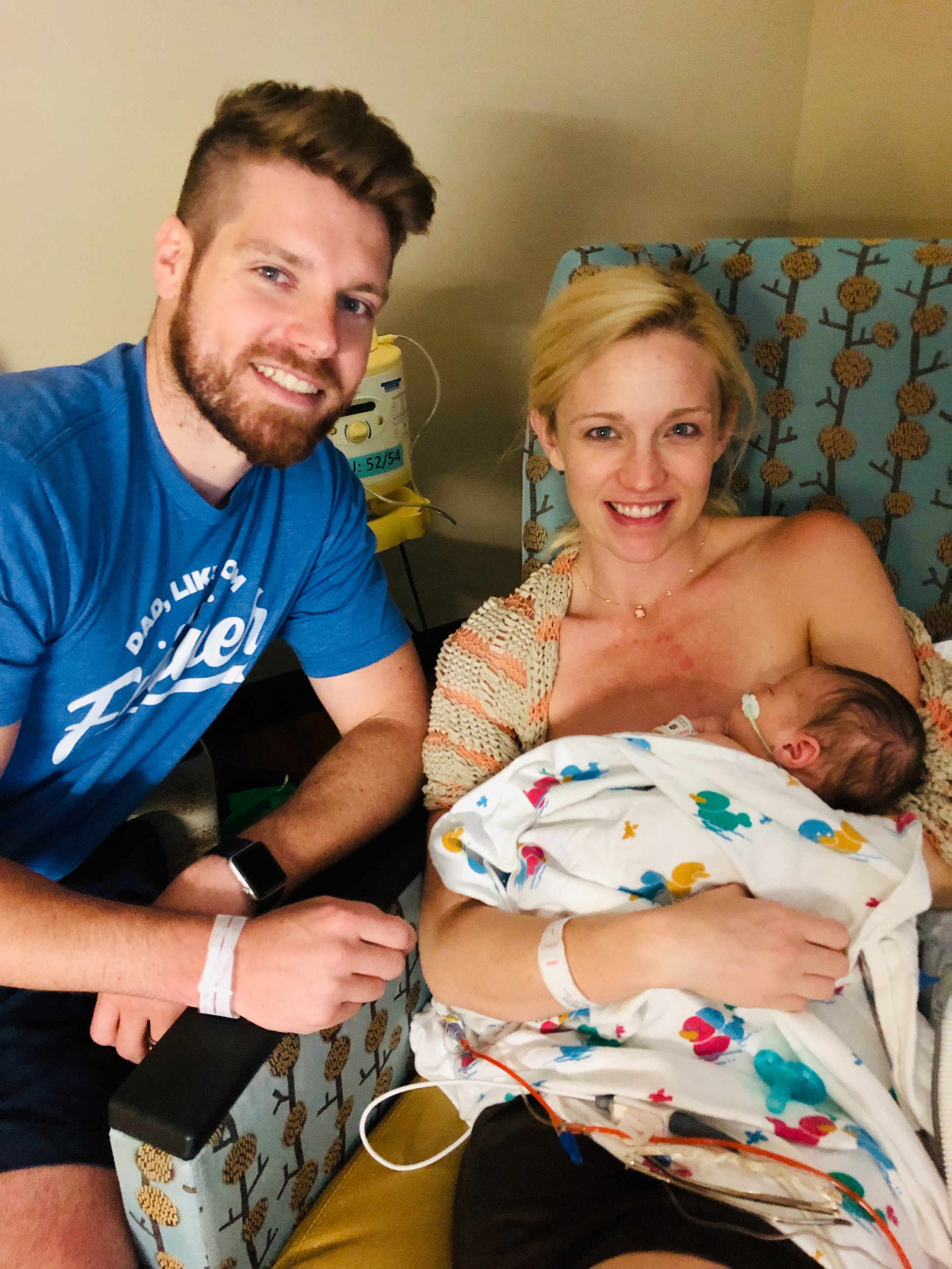
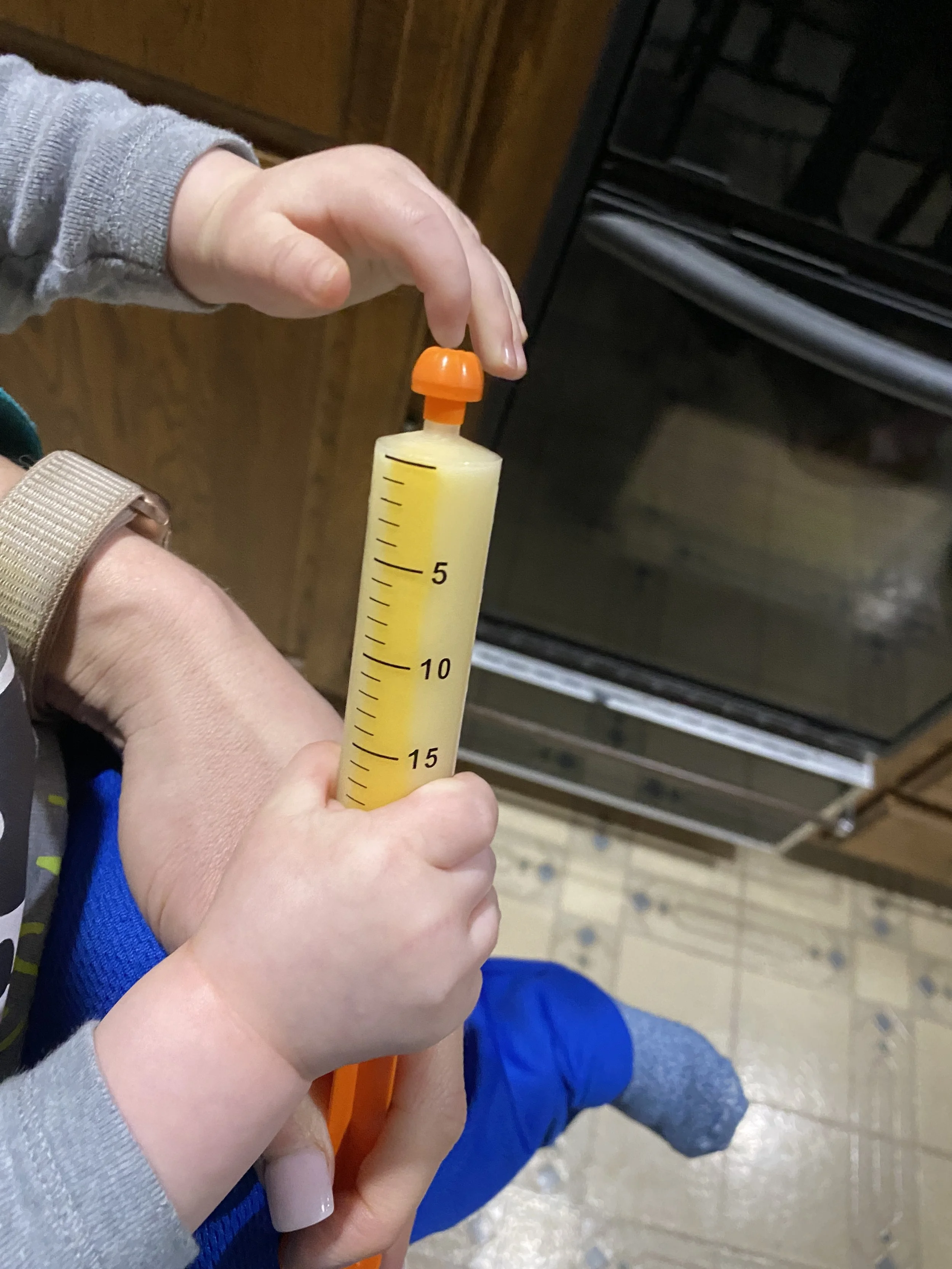
Brooks and I continued breastfeeding for 19 months, and I truly believe those months were an investment in both his health and mine. Like all children, he occasionally became sick, but he generally recovered quickly and returned to his energetic self. Even after we finished breastfeeding, I was thankful that I had saved a small freezer stash of colostrum. Around his second birthday, Brooks began showing signs of another illness. I thawed some of the frozen colostrum for him to drink. Within about an hour, I noticed that his positive disposition and energy seemed to improve and his symptoms lessened.
I can say with certainty that the colostrum caused this immediate shift. Childhood illnesses naturally fluctuate, and many factors may have contributed to his improvement. This showed me just how remarkable human milk is and how much we are still learning about the relationship between nutrition, the microbiome, and immune development.
Breast Milk: More Than Nutrition
One of the most fascinating characteristics of human milk is that it does not simply provide calories and building blocks for growth. It provides biological signals that help guide immune development.
For example:
Secretory IgA antibodies help protect mucosal surfaces, particularly the infant gastrointestinal tract, by helping prevent pathogens from attaching to intestinal tissues (6).
Human milk oligosaccharides (HMOs) act as nourishment for beneficial bacteria while also helping protect against certain pathogens, contributing to the development of a healthy infant microbiome (7).
Lactoferrin provides antimicrobial and immune-modulating effects while supporting intestinal health (8).
Immune cells, cytokines, and growth factors within human milk contribute to the ongoing communication between mother, baby, and the developing immune system (1).
Together, these components create an environment where an infant's immune system can learn, adapt, and mature.
The developing immune system has an incredibly complex job: it must learn how to recognize harmful pathogens while also developing tolerance toward beneficial bacteria, food proteins, and the body's own tissues. This process of immune education is one reason the relationship between breast milk and the gut microbiome is so fascinating. Human milk contains compounds that influence microbial communities in the infant gut, and these microbes interact with immune cells to help shape appropriate immune responses (9).
Regulatory T cells, commonly called Tregs, are one important part of this process. These specialized immune cells help maintain immune tolerance and prevent unnecessary inflammation. In early life, appropriate immune regulation is essential as the infant encounters new bacteria, dietary proteins, and environmental exposures (10). Rather than simply "boosting" immunity, breast milk helps support the development of a balanced and appropriately regulated immune system—one that can respond when needed while also learning when not to overreact.
Every Feeding Journey Deserves Support
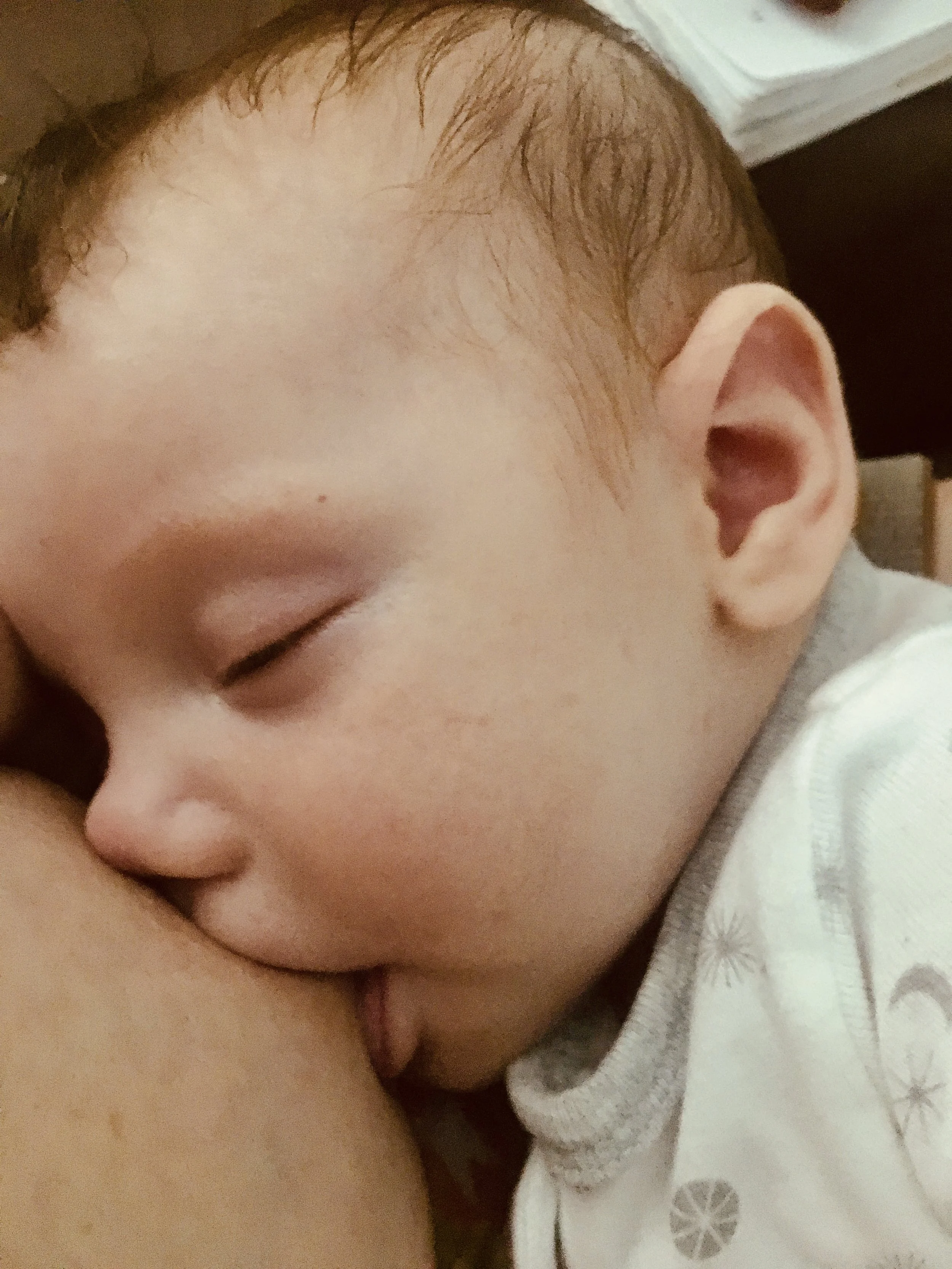
Every family's feeding journey is unique, and every mother deserves support and encouragement along the way. For some families, breastfeeding becomes a meaningful part of their story. Others may pump, supplement with formula, use donor milk, or choose formula feeding from the beginning. These decisions are shaped by so many factors, including a mother's health, a baby's medical needs, milk supply, work responsibilities, medications, NICU experiences, and many other circumstances that are often unseen by others.
Breastfeeding should never become a source of guilt or shame. A healthy baby and a healthy mother are the ultimate goals, and there are many ways families provide love, nourishment, and care.
When breastfeeding is possible, however, it is a remarkable example of the connection between a mother's body and her child. Breast milk provides more than calories and nutrients; it carries immune factors, microbial support, and biological signals that help guide a baby's developing immune system during one of the most important windows of growth and development.
Breastfeeding is a beautiful example of the intricate connection between nutrition, immunity, and the microbiome. Human milk does far more than provide nutrients; it helps guide the development of an infant’s immune system by supporting immune defenses while also encouraging tolerance, microbial balance, and appropriate regulation. This is one of the most remarkable aspects of the human body. Health is rarely created by a single nutrient, pathway, or intervention, but instead, it develops through a complex and ongoing conversation between systems, shaped by communication, balance, and adaptation.
References
Ballard, O., & Morrow, A. L. (2013). Human milk composition: Nutrients and bioactive factors. Pediatric Clinics of North America, 60(1), 49–74. https://doi.org/10.1016/j.pcl.2012.10.002
Donovan, S. M., & Comstock, S. S. (2017). Human milk oligosaccharides influence neonatal mucosal and systemic immunity. Advances in Nutrition, 8(1), 105–116. https://doi.org/10.3945/an.116.013896
Victora, C. G., Bahl, R., Barros, A. J. D., et al. (2016). Breastfeeding in the 21st century: Epidemiology, mechanisms, and lifelong effect. The Lancet, 387(10017), 475–490. https://doi.org/10.1016/S0140-6736(15)01044-2
American College of Obstetricians and Gynecologists. (2020). Prevention of group B streptococcal early-onset disease in newborns. ACOG Committee Opinion No. 797. Obstetrics & Gynecology, 135(2), e51–e72. https://doi.org/10.1097/AOG.0000000000003668
Puopolo, K. M., Lynfield, R., & Cummings, J. J. (2019). Management of infants at risk for group B streptococcal disease. Pediatrics, 144(2), e20191881. https://doi.org/10.1542/peds.2019-1881
Brandtzaeg, P. (2013). The role of humoral mucosal immunity in the induction and maintenance of chronic airway infections. Mucosal Immunology, 6, 652–660.
Bode, L. (2018). Human milk oligosaccharides: Every baby needs a sugar mama. Glycobiology, 28(9), 616–625. https://doi.org/10.1093/glycob/cwy045
Manzoni, P., Meyer, M., Stolfi, I., et al. (2011). Bovine lactoferrin supplementation for prevention of late-onset sepsis in very low-birth-weight neonates. JAMA, 306(10), 1041–1050. https://doi.org/10.1001/jama.2011.1361
Gomez de Agüero, M., Ganal-Vonarburg, S. C., Fuhrer, T., et al. (2016). The maternal microbiota drives early postnatal innate immune development. Science, 351(6279), 1296–1302. https://doi.org/10.1126/science.aad2571
Josefowicz, S. Z., Lu, L. F., & Rudensky, A. Y. (2012). Regulatory T cells: Mechanisms of differentiation and function. Annual Review of Immunology, 30, 531–564. https://doi.org/10.1146/annurev.immunol.25.022106.141623