
Why Your Gallbladder Matters for Detoxification and Fertility
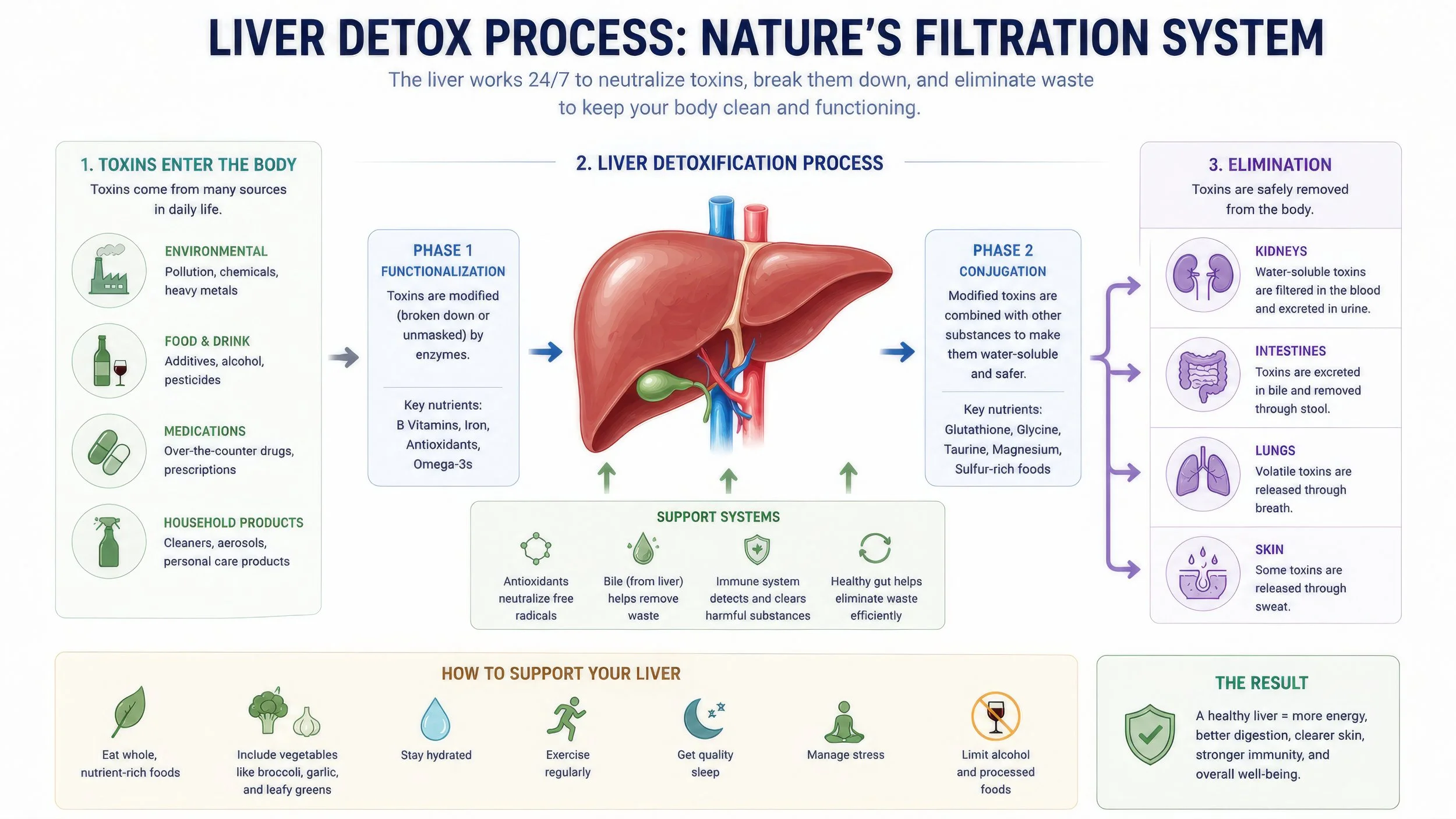
In today's world, our bodies encounter far more than naturally occurring waste products. We are exposed daily to environmental chemicals found in plastics, pesticides, herbicides, cosmetics, household cleaning products, air pollution, personal care products, and even some food packaging. While the body is remarkably equipped to process many of these compounds, the modern toxic burden can place additional demands on our natural detoxification systems.
At the center of this system is your liver, supported by an often overlooked partner: the gallbladder. While the gallbladder itself does not detoxify the body, it plays a critical role in helping your liver eliminate waste products, excess hormones, and fat-soluble toxins. Healthy bile flow also supports digestion, nutrient absorption, and hormone balance, all of which are essential for optimal fertility.
Every day, your body processes countless substances, including:
Naturally produced hormones
Medications
Environmental chemicals
Pesticides
Heavy metals
Metabolic waste products
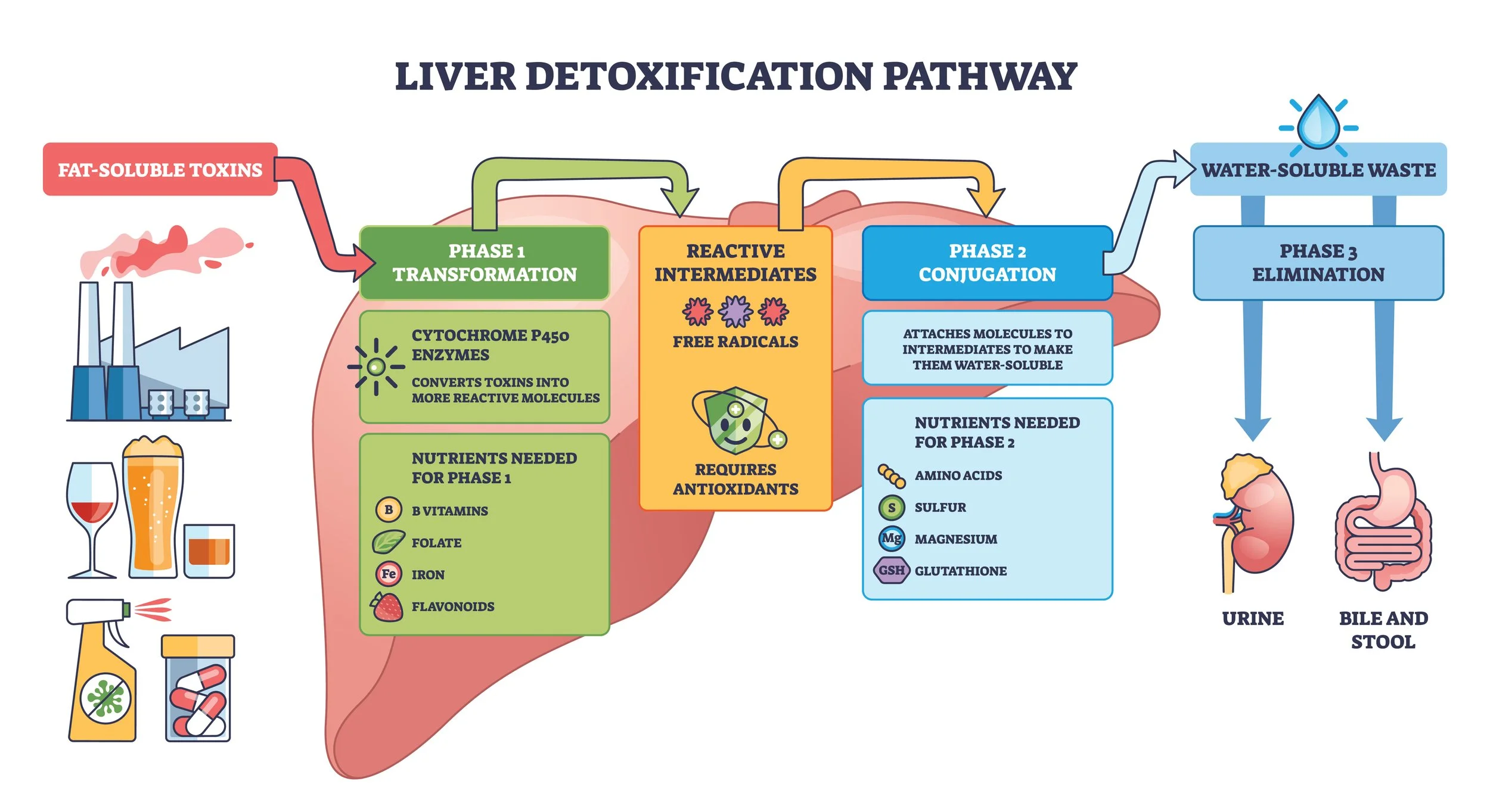
The liver is responsible for transforming these substances into compounds that can safely leave the body. This process occurs through three interconnected phases of detoxification. During Phase I, enzymes begin breaking down toxins. During Phase II, those compounds are bound to molecules that make them easier to eliminate. Finally, Phase III transports these substances out of liver cells into bile or the bloodstream so they can be excreted through the intestines or kidneys (1).
The Gallbladder: The Liver's Delivery System
Your liver continuously produces bile, a digestive fluid composed of bile acids, cholesterol, phospholipids, bilirubin, and waste products. We can evaluate these with lab testing. Rather than releasing bile constantly, the liver stores and concentrates it inside the gallbladder.
When you eat, especially healthy fats, the gallbladder contracts and releases bile into the small intestine. Most people know bile helps digest fats, but it also serves to carry waste out of the body.
Bile helps eliminate:
Metabolized estrogen
Excess cholesterol
Bilirubin
Fat-soluble environmental toxins
Certain medications and their metabolites
Some heavy metals (2)
Without healthy bile production and flow, substances processed by the liver may not be eliminated as efficiently.
Detoxification doesn't end in the liver and is only successful if waste actually leaves the body. After toxins enter bile, they travel into the intestines to be excreted in stool. If bowel movements are infrequent or the gut microbiome is imbalanced, some compounds can be reabsorbed into circulation through a process called enterohepatic recirculation (2). This is why we talk about and do lab testing on your poop!
The Gallbladder and Hormone Balance
One of bile's most important jobs is helping eliminate hormones after the liver has metabolized them. Estrogen, for example, is processed by the liver before being secreted into bile for removal through the intestines. If estrogen is reactivated by certain gut bacteria (aka the estrobolome) before elimination, it can be reabsorbed into circulation (2). Although gallbladder dysfunction itself has not been shown to directly cause hormone imbalance, efficient bile flow supports one of the body's normal pathways for estrogen elimination.
This is particularly relevant for women experiencing:
Estrogen dominance symptoms
Heavy or painful periods
Premenstrual syndrome (PMS)
Endometriosis
Polycystic ovary syndrome (PCOS)
Fibroids
Because hormone regulation involves the liver, gut microbiome, ovaries, adrenal glands, and thyroid, supporting healthy bile flow is one piece of a much larger picture.
Why Gallbladder Health Matters for Fertility
Fertility depends on far more than reproductive organs alone. Researchers continue to investigate how certain environmental chemicals, often referred to as endocrine-disrupting chemicals (EDCs), may influence reproductive health and hormone production. These compounds can interfere with hormone signaling and have been associated with changes in ovarian function, menstrual cycles, egg quality, implantation, and pregnancy outcomes. Examples include bisphenol A (BPA), phthalates, certain pesticides, and per- and polyfluoroalkyl substances (PFAS), although the degree of risk depends on many factors, including the level and duration of exposure (3).
Healthy gallbladder function contributes to fertility in several important ways.
1. Improved Fat Absorption
Bile is necessary for digesting dietary fats and absorbing fat-soluble vitamins, including vitamins A, D, E, and K.
These nutrients support:
Healthy ovarian function
Egg maturation
Immune regulation
Embryo development
Endometrial health
Healthy pregnancy
Vitamin D is not simply a vitamin. It functions as a prohormone that is converted into its active hormonal form within the body. Vitamin D receptors are found throughout the reproductive system, where they help regulate ovarian function, endometrial receptivity, immune balance, and the production and signaling of reproductive hormones. Maintaining adequate vitamin D levels is an important component of supporting fertility and a healthy pregnancy (4).
2. Healthy Cholesterol Metabolism
Cholesterol often gets a bad reputation, but it is actually the building block for all steroid hormones, including estrogen, progesterone, testosterone, and cortisol. The liver and biliary system help regulate cholesterol metabolism, making healthy digestive function an important component of hormone production.
3. Supporting a Healthy Gut Microbiome
Bile acids do more than digest fats. They help regulate which bacteria thrive within the digestive tract. A healthy microbiome supports:
Estrogen metabolism (aka the “Estrobolome”)
Immune balance
Reduced intestinal permeability
Nutrient absorption
Healthy inflammatory signaling (5)
Researchers continue to uncover the important relationship between gut health and reproductive health.
4. Reducing Inflammatory Burden
Gallbladder disease commonly occurs alongside metabolic conditions, such as insulin resistance, obesity, and nonalcoholic fatty liver disease (NAFLD). These conditions are associated with chronic inflammation, which has been linked to impaired ovulation and reduced fertility in some populations (6). It is important to recognize that inflammation, not gallbladder dysfunction alone, is likely the driving factor.
Signs Your Bile May Need Support
Some people experience symptoms that may suggest impaired bile flow, including:
Bloating after eating fatty meals
Nausea with high-fat foods
Right upper abdominal discomfort
Constipation
Pale or floating stools
Gallstones
History of gallbladder removal
Difficulty tolerating healthy fats
These symptoms do not necessarily indicate gallbladder disease, but they warrant discussion with your healthcare provider.
It is also important to remember that many individuals live healthy, vibrant lives after gallbladder removal. The liver continues to produce bile, but instead of being stored and released in concentrated amounts by the gallbladder, bile flows continuously into the small intestine. While many people adapt very well, others may benefit from additional digestive support, particularly during meals that contain healthy fats. Under the guidance of a qualified healthcare provider, therapeutic digestive enzymes, ox bile, or other targeted nutritional supplements may help support fat digestion, nutrient absorption, and healthy bile flow. With an individualized treatment plan, many people without a gallbladder continue to support normal detoxification pathways, optimize digestion, and experience excellent overall health.
Supporting Healthy Bile Flow Naturally
Rather than focusing on trendy detoxes, consider supporting your body's natural detoxification pathways through healthy daily habits.
These include:
Eating adequate healthy fats to stimulate bile flow
Consuming bitter greens such as arugula, dandelion greens, and radicchio
Eating sulfur-rich vegetables like broccoli, cabbage, onions, and garlic
Staying well-hydrated
Maintaining regular bowel movements
Supporting a healthy gut microbiome through a nutrient-dense diet
Exercising regularly
Managing stress
Getting adequate sleep
Depending on an individual's health history, functional medicine practitioners may also recommend targeted nutritional support or botanical therapies to promote healthy bile production and flow.
Monthly Functional Focus: Environmental & Detoxification Awareness
At ViaVitae Functional Health Collaborative, we recognize that fertility is influenced by the health of the entire body, not just the reproductive organs. When evaluating fertility challenges, we often consider multiple interconnected systems, including:
Liver function
Bile production and flow
Gut health
Nutrient status
Blood sugar regulation
Thyroid function
Inflammation
Environmental toxin exposure
Hormone balance
Our goal is not to "detox" the body through extreme cleanses, although short, light cleanses maybe helpful in certain cases. Instead, we primarily seek to optimize the body's own beautifully designed detoxification systems so hormones, nutrients, and metabolism can function as intended. This whole-body approach complements established preconception recommendations that encourage optimizing overall health, nutrition, and lifestyle before pregnancy to support natural fertility (7).
Your gallbladder may be small, but its impact on digestion, detoxification, hormone metabolism, and fertility is significant. Supporting healthy bile flow is about more than avoiding digestive discomfort. It is about helping your body efficiently absorb nutrients, eliminate waste, regulate hormones, and create an internal environment that supports optimal health.
Whether you are preparing for pregnancy, navigating hormone imbalances, or simply striving to improve your overall wellness, taking care of your liver, gallbladder, and digestive system is an important investment in your long-term health.
References
Hodges, R. E., & Minich, D. M. (2015). Modulation of metabolic detoxification pathways using foods and food-derived components: A scientific review with clinical application. Journal of Nutrition and Metabolism, 2015, 760689.https://doi.org/10.1155/2015/760689
Ridlon, J. M., Kang, D. J., & Hylemon, P. B. (2006). Bile salt biotransformations by human intestinal bacteria. Journal of Lipid Research, 47(2), 241-259.https://doi.org/10.1194/jlr.R500013-JLR200
Gore, A. C., Chappell, V. A., Fenton, S. E., Flaws, J. A., Nadal, A., Prins, G. S., ... Zoeller, R. T. (2015). EDC-2: The Endocrine Society's second scientific statement on endocrine-disrupting chemicals. Endocrine Reviews, 36(6), E1-E150.https://doi.org/10.1210/er.2015-1010
Barrea, L., Muscogiuri, G., Frias-Toral, E., Laudisio, D., Pugliese, G., Castellucci, B., et al. (2020). Nutrition and immune system in fertility. Nutrients, 12(8), 2348.https://doi.org/10.3390/nu12082348
Shapiro, H., Thaiss, C. A., Levy, M., & Elinav, E. (2014). The cross talk between microbiota and the immune system: Metabolites take center stage. Current Opinion in Immunology, 30, 54-62.https://doi.org/10.1016/j.coi.2014.07.003
Zelber-Sagi, S., Godos, J., & Salomone, F. (2021). Lifestyle changes for the treatment of nonalcoholic fatty liver disease: A review of observational studies and intervention trials. Therapeutic Advances in Gastroenterology, 14, 17562848211051292.https://doi.org/10.1177/17562848211051292
American Society for Reproductive Medicine. (2021). Optimizing natural fertility: A committee opinion.Fertility and Sterility, 116(5), 1230-1237.