
All Things Fascia: The Interconnected System Between Your Muscles, Joints, Nerves and Organs
Fascia is an interconnected web of fibers that supports your body’s complex movement patterns by providing support, stability, and elasticity. It is an incredibly important part of the neuromusculoskeletal system that can be targeted to relieve acute and chronic pain syndromes.
I like to use an orange to describe the role of fascia in the body:
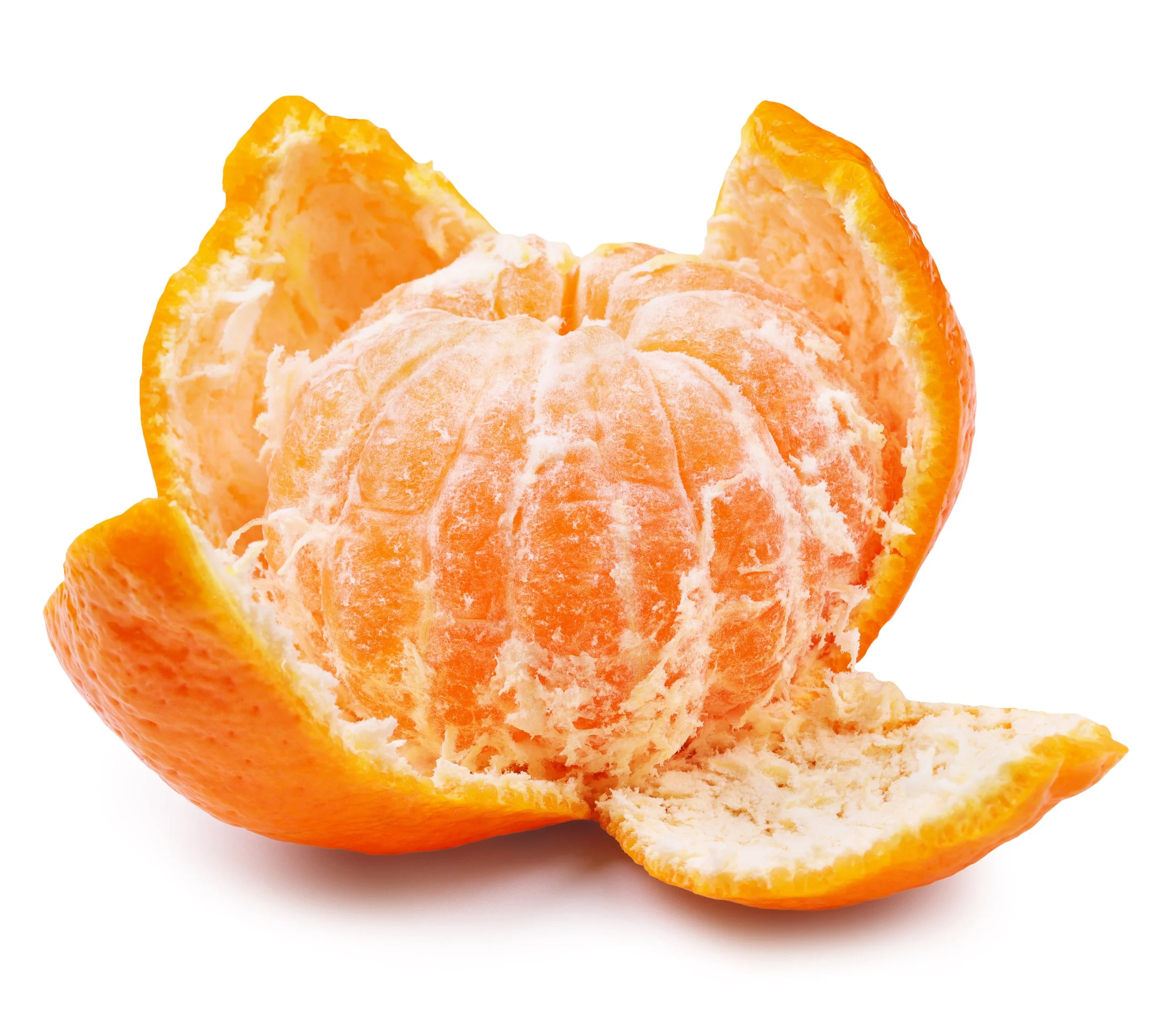
🍊 The orange peel is our skin, protecting the tissues underneath.
🍊 The orange slices represent the soft tissues inside your body like our muscles, fat and organs.
🍊 The white membrane-like structure on top is the fascia. It contains and holds together compartments of soft tissues within the body, and reaches across virtually all internal structures, spread throughout muscle, joints, ligaments, fat, and organs.
Some of the fascia in your body runs like roads and operates like a train-track, creating postural lines connecting regions of muscle groups in your core and extremities to help you generate power hold yourself in a good postural alignment.

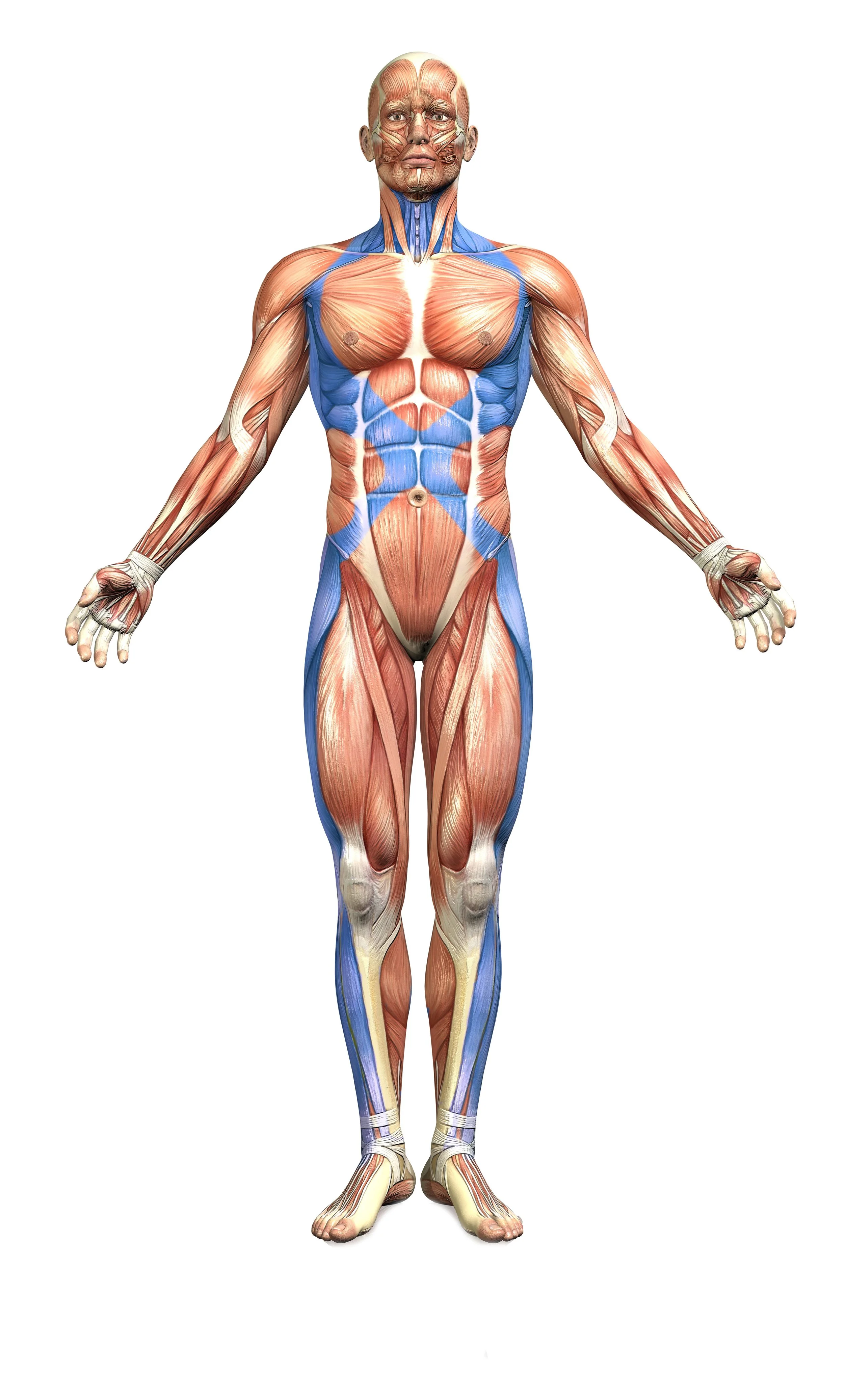
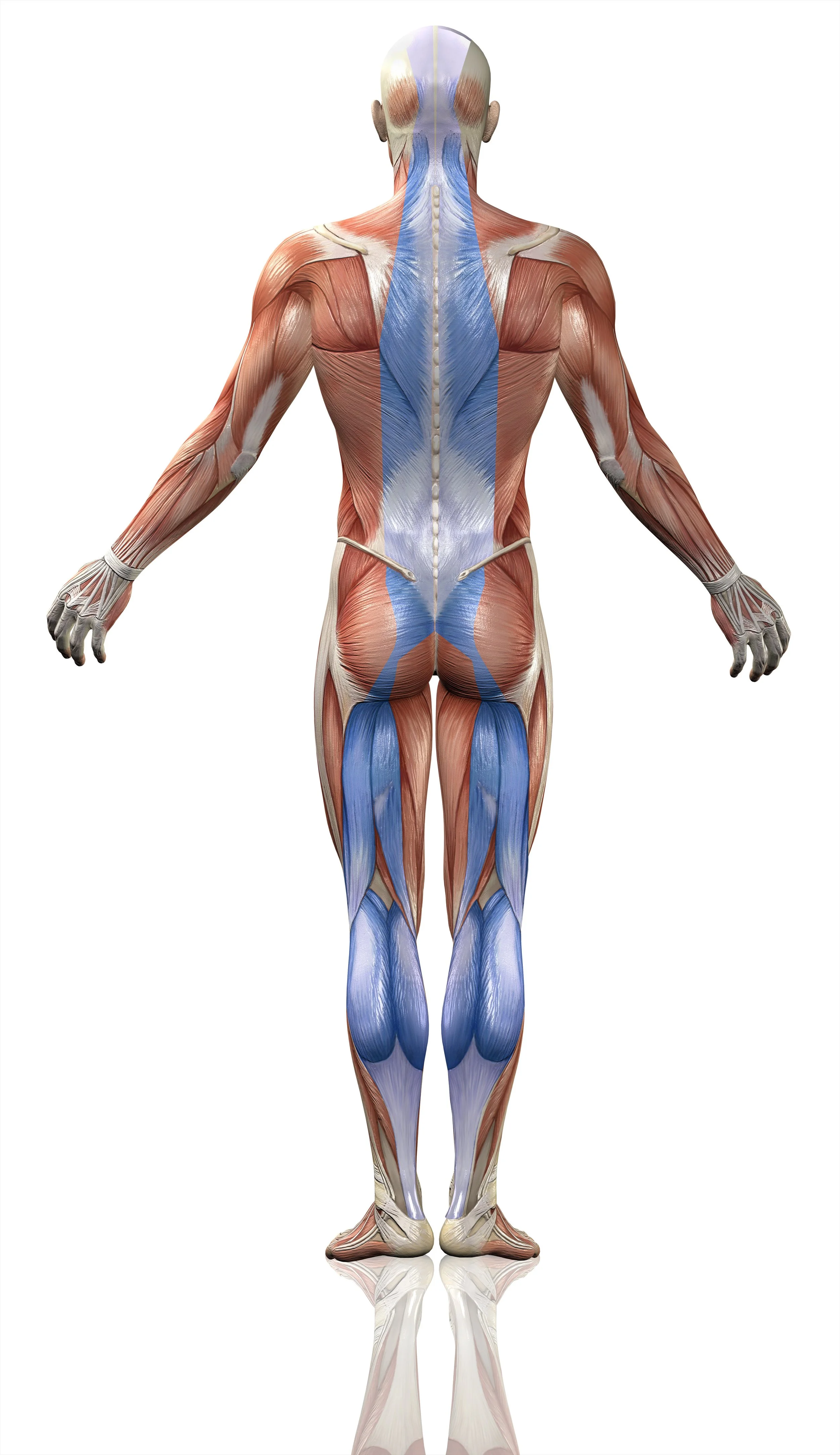
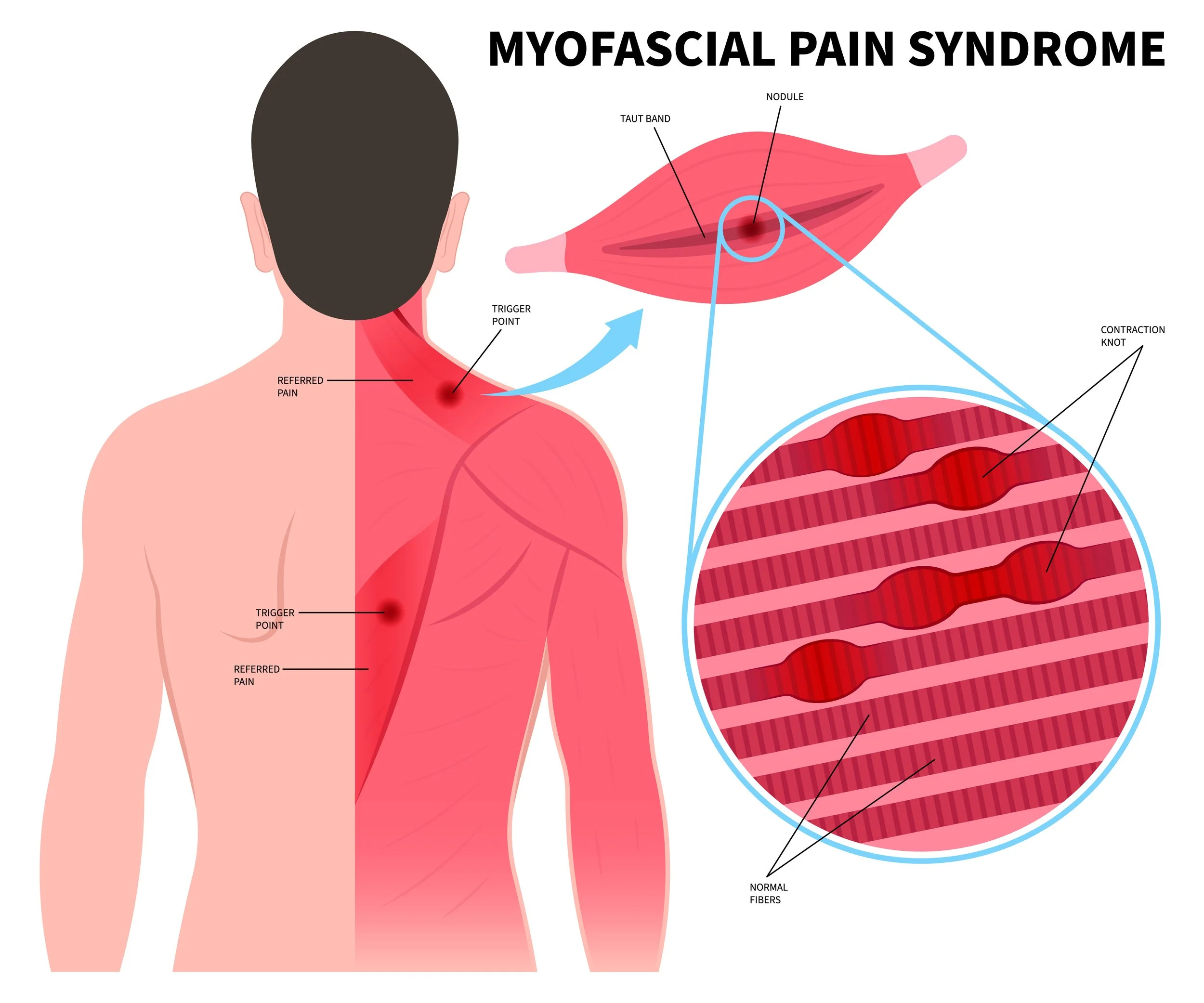
When fascia becomes dysfunctional, this can create what we call a “myofascial lesion”, more commonly known as a trigger point. This knot of muscle and fascia can cause pinpoint, sharp pain. While we don’t know the exact physiology behind these pain points, we do know that by mobilizing the fascia we can relieve pain and soft tissue inflammation.
Symptoms of a trigger point could include pinpoint, sharp or achey pain in a muscle that feels difficult to “stretch out” or release. Fascial pain can occur anywhere, but is common in certain muscle groups, particularly around the shoulders, neck, and shoulder blade. Pain from a myofascial lesion can even move down an arm or up to the base of your skull.
Doctors of Chiropractic have been indirectly treating fascia since before its importance was fully understood. When we apply an adjustment, the soft tissues around the joint respond by decreasing tension, restoring mobility and relaxing the tissues. Additionally, Chiropractors treat the whole spine and body, not just the primary region of pain. We view manipulation as an art, understanding that the body is full of interconnected systems, rather than separate and distinct parts. Fascia is one mechanism of connection.
At ViaVitae, our Chiropractors use a range of modalities that directly or indirectly affect the fascia:
Chiropractic adjustments
Myofascial release
Craniosacral fascial release
Acupuncture
Therapies like spinal manipulation, gua sha, cupping and acupuncture are centuries old and their healing arts have been continued in the U.S. by chiropractors, osteopaths, eastern medicine doctors/acupuncturists, and other alternative medicine providers. These therapies are more recently being reinvented with additional similar techniques like dry needling, gaining widespread use across many medical specialties as our modern understanding of the body grows.
Two newer therapies that address fascia include myofascial release and craniosacral fascial therapy. (See above). These techniques involve hands-on manual therapy by the provider, sometimes with active movements by the patient. Myofascial and craniosacral release are designed to mobilize and release overall fascia in the head, neck, shoulders, glutes, core, arms and legs. By doing this, we can reset the nervous system, which is what Chiropractic is all about.

Here are ViaVitae, we address the musculoskeletal system and fascia in a comprehensive way. If you suffer from chronic pain, headaches, fibromyalgia, chronic fatigue, arthritis, or muscle tension, your fascia may be involved. Your doctor of chiropractic will perform a thorough assessment to determine whether the cause of your pain is due to or contributed by myofascial lesions. If you have extensive fascial restriction, we may recommend and refer for additional massage therapy before or after performing an adjustment. At ViaVitae, we recognize that physical medicine is an important part of healing. Dr. Allen and Dr. Loveless utilize gentle adjustments, acupuncture, myofascial and craniosacral release techniques when indicated on your healing journey. 🍊
Disclaimer - This document is for informational purposes only and is not intended to provide medical advice, diagnosis, or treatment. Always consult with a qualified healthcare professional before making any changes to your health regimen.