
Sun-Kissed Peach, Tomato, Mozzarella & Basil Salad
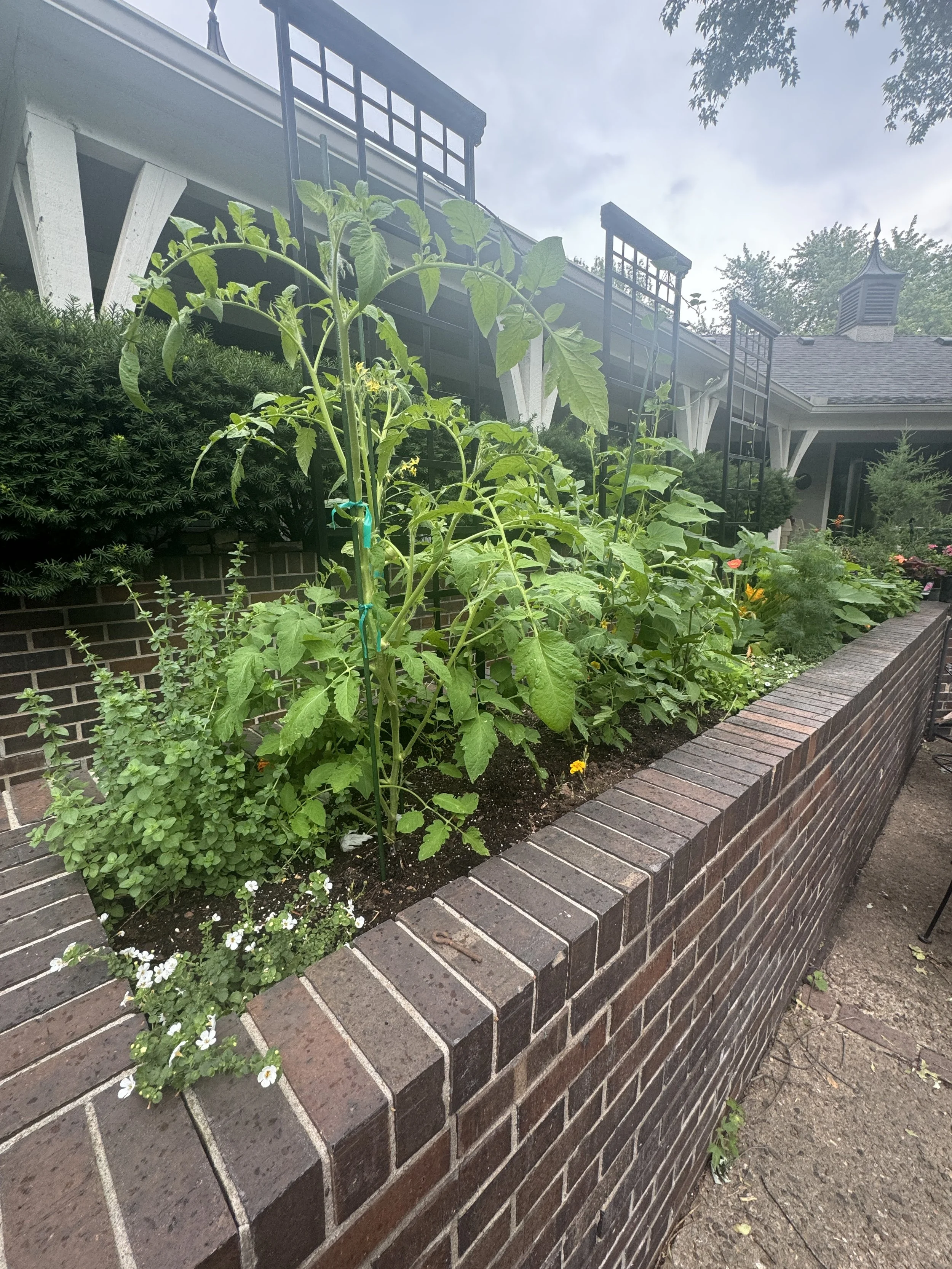
One thing I truly miss about our home in Leawood was my little garden. There was something so rewarding about walking outside and harvesting fresh tomatoes, cucumbers, jalapeños, basil, and other herbs that I had grown myself. Gardening has a way of reconnecting us with our food, the seasons, and the simple joy of creating something nourishing from the earth.
While I may not have that same garden space today, I still love celebrating the flavors of summer produce. This Sun-Kissed Peach, Tomato, Mozzarella & Basil Salad brings together some of my favorite seasonal ingredients with juicy peaches, ripe tomatoes, fragrant basil, flaky sea salt, and a drizzle of reduced balsamic glaze. It is a beautiful reminder that simple, fresh ingredients can create meals that nourish both the body and the soul.
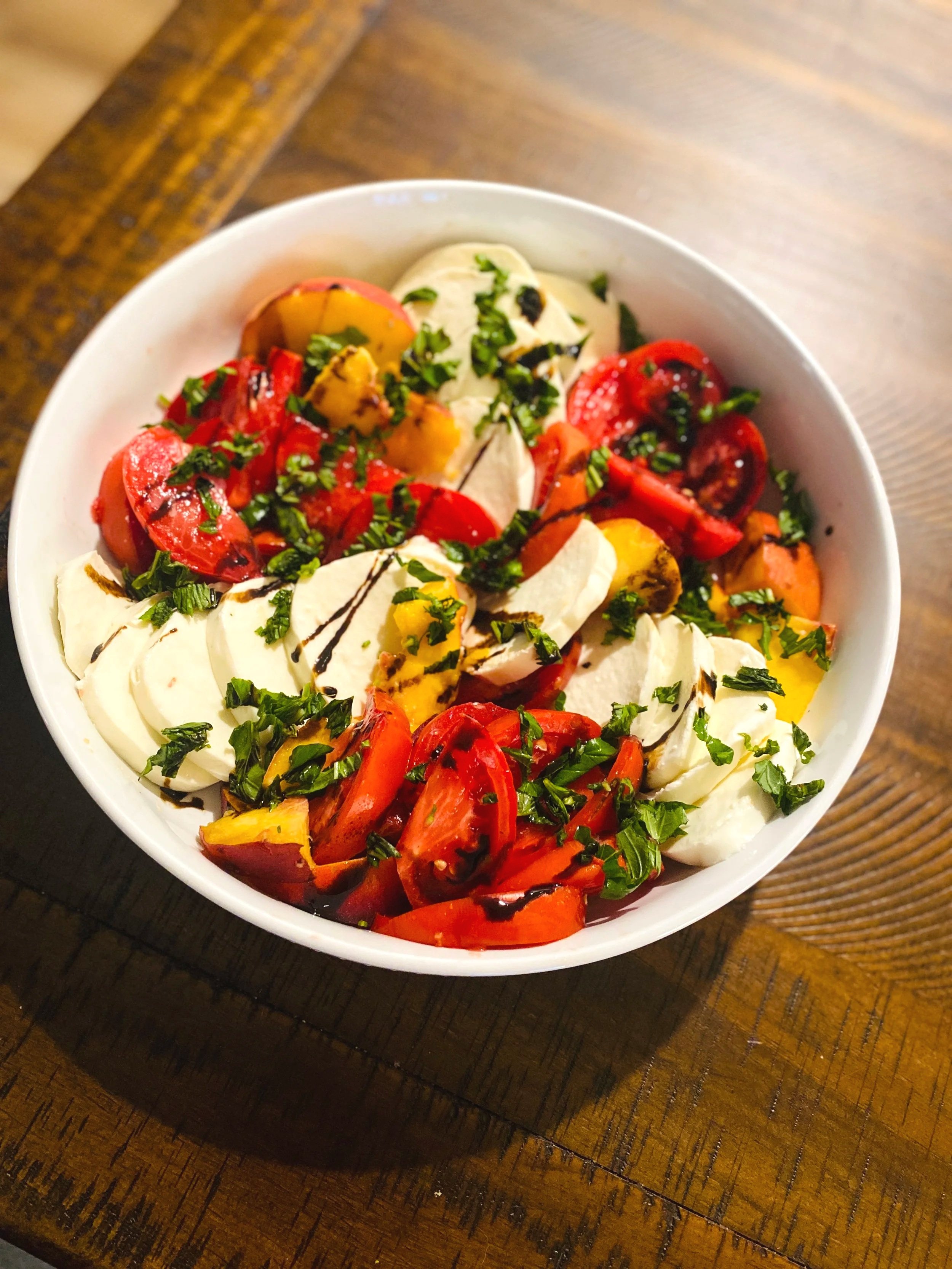
Ingredients
2 ripe peaches, sliced
2 to 3 ripe tomatoes, sliced (heirloom tomatoes are especially beautiful)
4 ounces fresh mozzarella, sliced or torn into bite-sized pieces
¼ cup fresh basil leaves, torn
1 to 2 tablespoons extra virgin olive oil
1 to 2 tablespoons reduced balsamic glaze
Flaky sea salt, to taste
Freshly cracked black pepper (optional)
Instructions
Arrange sliced peaches, tomatoes, and mozzarella on a serving platter.
Sprinkle fresh basil over the top.
Drizzle with olive oil and balsamic glaze.
Finish with flaky sea salt and black pepper if desired.
Serve immediately and enjoy the flavors of summer.
Functional Nutrition Benefits
The beauty of this recipe goes beyond flavor. It is packed with nutrients that support cellular health, antioxidant defenses, metabolic wellness, and reproductive health.
Peaches provide vitamin C, polyphenols, and carotenoids that help support the body’s natural antioxidant systems. Antioxidants play an important role in protecting cells from oxidative stress, which can impact inflammation, aging, and reproductive health (1,2).
Tomatoes are rich in lycopene, a powerful carotenoid antioxidant that becomes more bioavailable when tomatoes are paired with healthy fats such as extra virgin olive oil. Lycopene has been studied for its role in supporting cardiovascular health, healthy inflammation pathways, and reproductive wellness (3).
Fresh basil contains plant compounds with antioxidant and anti-inflammatory properties. Herbs like basil are an easy way to increase the variety of phytonutrients in the diet while adding incredible flavor (4).
Fresh mozzarella adds a source of high-quality protein, calcium, and important nutrients such as vitamin B12 and phosphorus. Protein plays an important role in maintaining stable blood sugar, supporting muscle health, and providing the amino acids needed for cellular repair and hormone production. Choosing quality dairy products, especially from well-sourced farms when available, can be a nourishing addition for individuals who tolerate dairy (5).
Extra virgin olive oil contributes heart-healthy monounsaturated fats and polyphenols that support a Mediterranean-style eating pattern (6). Healthy fats also help improve the absorption of fat-soluble nutrients, including carotenoids found in colorful produce (7). Diets rich in vegetables, fruits, healthy fats, and quality proteins have been associated with improved metabolic health and fertility outcomes (8).
Together, the combination of colorful produce, healthy fats, herbs, and protein creates a balanced dish that supports nourishment, satisfaction, and long-term wellness.
Fertility & Hormone Health Connection
For those focusing on fertility and hormone health, this salad provides a thoughtful combination of nutrients that support the foundations of reproductive wellness.
Healthy reproductive function depends on adequate antioxidants, balanced blood sugar, healthy inflammation pathways, and sufficient intake of protein, healthy fats, vitamins, and minerals. The peaches, tomatoes, and basil provide a variety of phytonutrients and antioxidants that help protect cells from oxidative stress, while extra virgin olive oil supports nutrient absorption and provides monounsaturated fats associated with Mediterranean-style eating patterns that have been linked to improved fertility outcomes (8).
Fresh mozzarella contributes high-quality protein, calcium, and vitamin B12, nutrients that support tissue repair, energy metabolism, and hormone production. Including a source of protein with meals also helps promote satiety and supports more stable blood sugar levels, which is especially important for women with insulin resistance, polycystic ovary syndrome (PCOS), or other metabolic concerns that can affect reproductive health (9).
Tomatoes, peaches, basil, and mozzarella create a colorful, nutrient-dense plate that reflects one of my favorite nutrition principles: eat a variety of whole, seasonal foods. Each ingredient contributes unique nutrients that work together to nourish the body and support overall wellness.
Enjoy this salad as a light meal or pair it with grilled chicken, wild-caught salmon, or shrimp for an additional boost of protein and omega-3 fatty acids, making it even more supportive of fertility and hormone health.
References
Gaskins, A. J., & Chavarro, J. E. (2018). Diet and fertility: A review. American Journal of Obstetrics & Gynecology.
Durazzo, A., et al. (2019). Polyphenols: A concise overview on the chemistry, occurrence, and human health. Phytotherapy Research.
Rao, A. V., & Rao, L. G. (2007). Carotenoids and human health. Pharmacological Research, 55(3), 207–216. https://doi.org/10.1016/j.phrs.2007.01.012
Kiferle, C., et al. (2023). Ocimum basilicum L.: A review of phytochemistry and biological activities. Plants.
U.S. Department of Agriculture, FoodData Central (nutrient composition) plus Gaskins & Chavarro (2018) for protein and fertility.
Martínez-González, M. A., & Martin-Calvo, N. (2016). The major European dietary patterns and metabolic syndrome. Public Health Nutrition. OR Estruch et al. (2018) PREDIMED trial.
Unlu, N. Z., et al. (2005). Carotenoid absorption from salad and salsa by humans is enhanced by the addition of avocado or avocado oil. Journal of Nutrition.
Karayiannis, D., Kontogianni, M. D., Mendorou, C., Douka, L., Mastrominas, M., & Yiannakouris, N. (2018). Association between adherence to the Mediterranean diet and semen quality parameters in male partners of couples attempting fertility. Human Reproduction, 33(11), 2158–2166. https://doi.org/10.1093/humrep/dey306
American Society for Reproductive Medicine. (2023). Optimizing natural fertility: A committee opinion.Fertility and Sterility, 120(4), 575–592.