
Sweet Summer Peaches & Cream Oatmeal
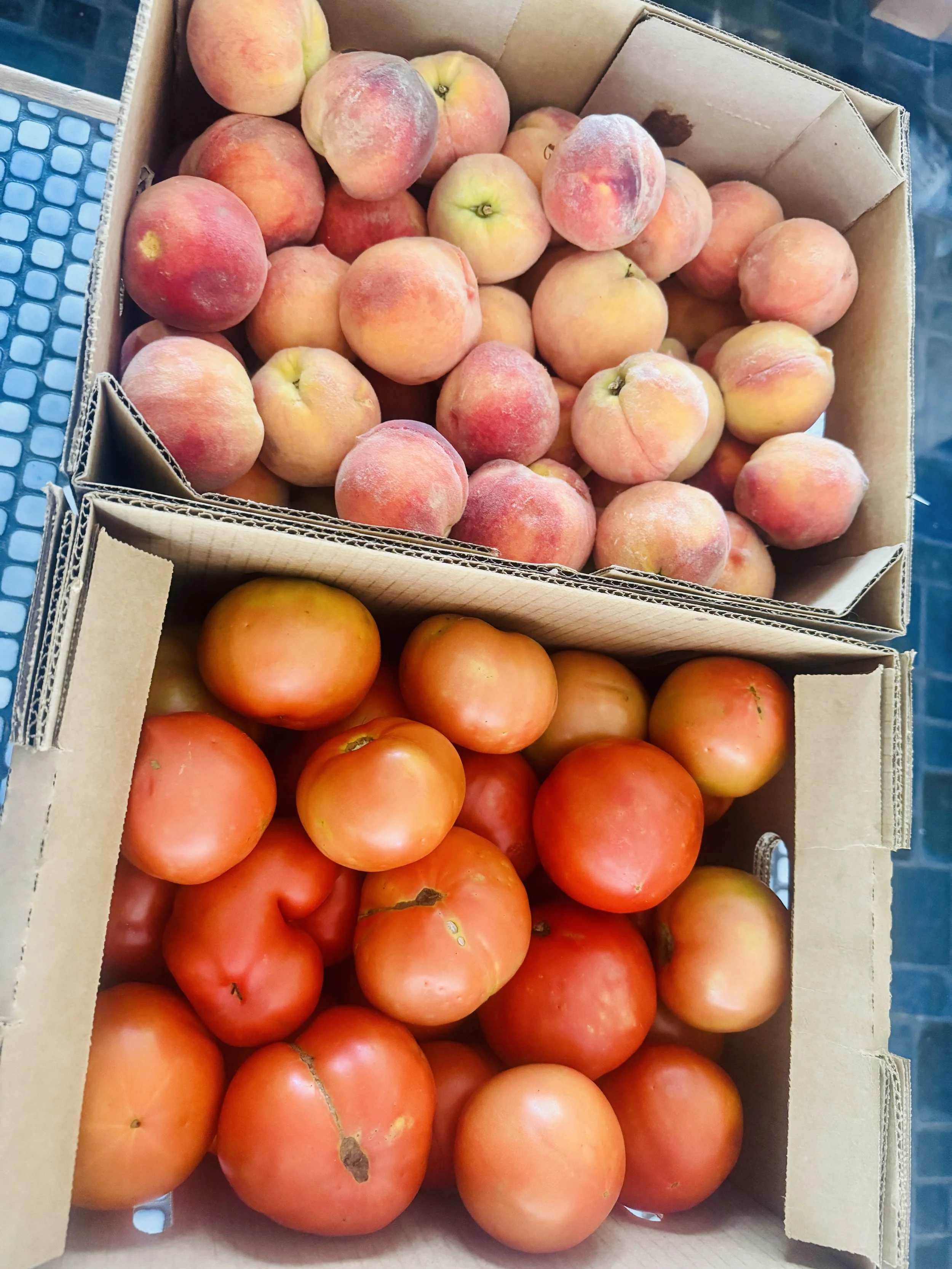
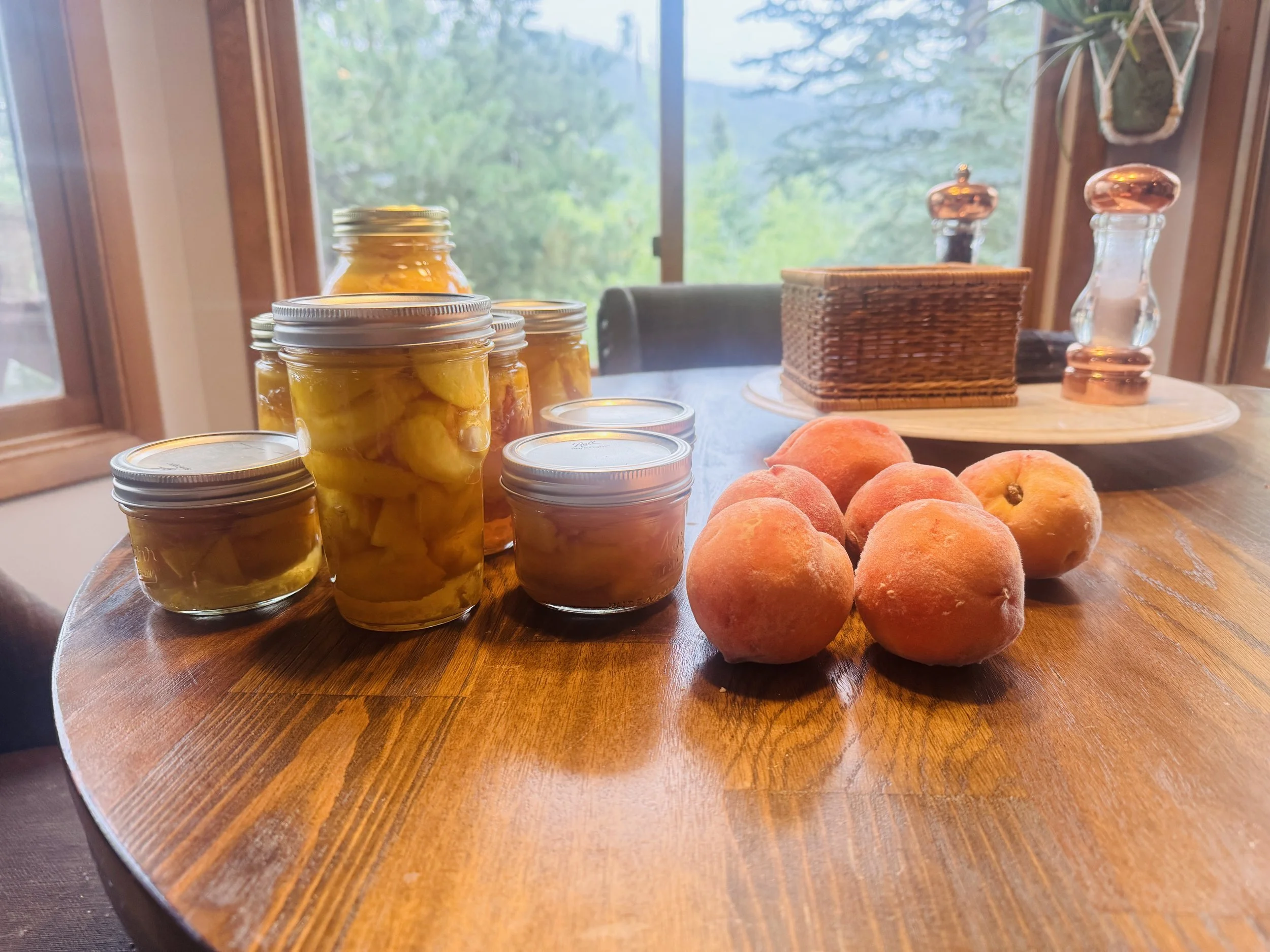
We are in the thick of summertime, which means farmers' markets are bursting with fresh, local produce, and one of my favorite signs of the season is the arrival of juicy Palisade peaches. During this season, every trip between Kansas and Colorado includes a stop at the Rocky Ford farmers' market, where I fill my bags with sweet Palisade peaches, refreshing watermelon and cantaloupe, vine-ripened tomatoes, crisp cucumbers, sweet corn on the cob, and, of course, fresh and roasted Hatch green chiles. I always buy in bulk so I can stock my pantry and freezer, bringing a little taste of summer to our family table all winter long.
If you've been a patient of mine for a while, you know I don't typically recommend starting the day with a carbohydrate-heavy breakfast. For most adults, I encourage prioritizing protein, healthy fats, and fiber to support blood sugar balance, hormone health, and sustained energy. However, there are seasons of life when our nutritional needs shift.
During the third trimester of pregnancy and throughout the breastfeeding months, your body has significantly increased energy and nutrient demands. A nourishing breakfast like this Peaches & Cream Oatmeal provides complex carbohydrates to replenish energy stores, protein to support maternal tissues and milk production, healthy fats for hormone balance, and vitamins and minerals that nourish both mom and baby. It's also a wonderful option for growing kiddos, whose active bodies and developing brains thrive on wholesome carbohydrates paired with protein and healthy fats.
Whether you're expecting, nursing, feeding a house full of hungry children, or simply celebrating peach season, this cozy bowl is one of our family's favorite ways to enjoy summer harvest.
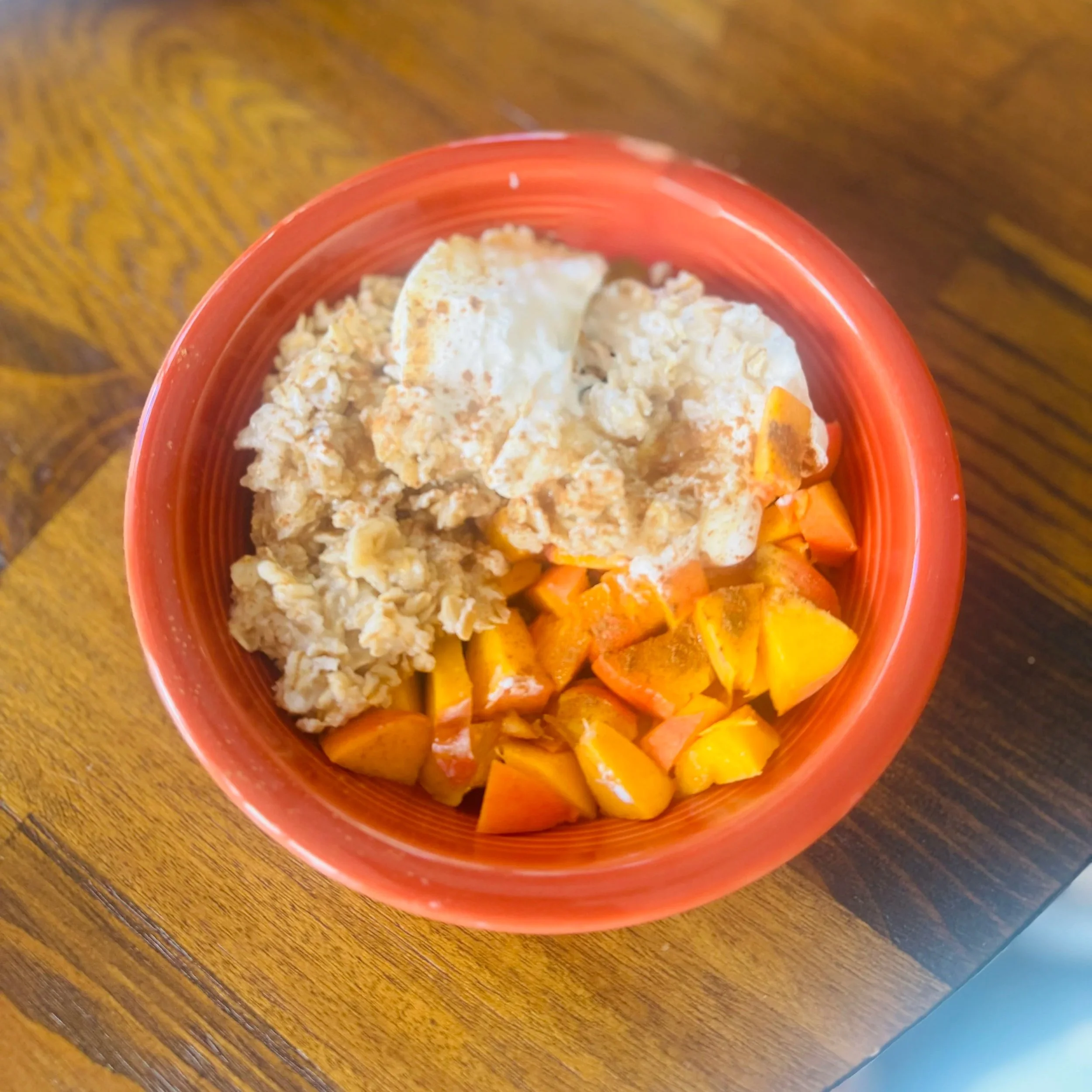
Ingredients
½ cup organic old-fashioned oats (gluten-free)
1 cup filtered water or milk of choice
1 fresh peach, diced
¼ cup plain organic Greek yogurt or ¼ cup organic heavy cream
1 teaspoon organic maple syrup
Dash of cinnamon
Instructions
Cook the oats according to package directions with water.
Transfer the oatmeal to a bowl.
Top with the remaining fresh peaches, Greek yogurt or heavy cream, maple syrup, and a sprinkle of cinnamon.
Serve warm and enjoy!
Functional Medicine Fertility Perspective
While oats are a wholesome whole grain, I don't typically recommend a carbohydrate-forward breakfast as the first meal of the day for women actively trying to optimize fertility and hormone balance, especially those with PCOS, insulin resistance, or blood sugar dysregulation. Even complex carbohydrates stimulate an insulin response, although oats generally produce a lower glycemic response than many refined breakfast foods because of their beta-glucan fiber (Reynolds et al., 2019). For many women with metabolic dysfunction, beginning the day with a meal rich in protein, healthy fats, and fiber may help support blood sugar regulation, which is closely linked to ovulation and reproductive health (1,2).
That said, pregnancy and postpartum are unique physiological seasons with increased energy and nutrient demands. During the third trimester, carbohydrate needs increase to support maternal metabolism, fetal growth, and rapid brain development. Whole grains such as oats provide complex carbohydrates, fiber, B vitamins, and sustained energy, making them an excellent choice when paired with protein and healthy fats (3).
Fresh peaches contribute vitamin C and polyphenol antioxidants that help protect maternal and fetal tissues from oxidative stress while supporting collagen production and enhancing non-heme iron absorption. Maintaining adequate antioxidant status and iron availability is particularly important as maternal blood volume expands during late pregnancy (3,4).
Organic Greek yogurt provides high-quality protein, calcium, iodine, probiotics, and healthy fats that support maternal tissue repair, fetal bone development, thyroid hormone production, and a healthy gut microbiome. If you prefer organic heavy cream, the naturally occurring dairy fats provide cholesterol, which serves as a precursor for steroid hormone synthesis while also increasing satiety (5).
During lactation, oatmeal has long been used as a traditional galactagogue, although high-quality clinical evidence supporting a direct effect on milk supply remains limited. Even so, oats provide complex carbohydrates, fiber, iron, and B vitamins that help meet the increased energy and nutrient demands of breastfeeding. Combined with the protein and healthy fats from Greek yogurt or cream, this meal can support postpartum recovery while helping mothers meet the additional caloric needs associated with milk production (6).
A drizzle of pure maple syrup adds natural sweetness while contributing small amounts of manganese, an essential mineral involved in antioxidant defense. Cinnamon adds warmth and flavor and has been studied for its potential role in supporting healthy glucose metabolism, making it a thoughtful addition for women seeking balanced energy during pregnancy and postpartum (7).
As we celebrate National Breastfeeding Month this August, let's also celebrate the incredible work a mother's body does during pregnancy, birth, and breastfeeding. These seasons of life come with unique nutritional needs, and nourishing yourself is one of the best ways to care for both you and your baby.
Whether you're enjoying this bowl during your third trimester, fueling long days with a nursing little one, or simply taking advantage of the delicious peach season, I hope this recipe brings comfort, nourishment, and a little taste of summer to your table. Here's to slowing down, supporting our bodies with wholesome foods, and making memories around meals that can be shared for generations to come.
References
American Society for Reproductive Medicine. (2021). Optimizing natural fertility: A committee opinion. Fertility and Sterility, 116(5), 1235-1245. https://doi.org/10.1016/j.fertnstert.2021.08.003
Reynolds, A., Akerman, A., & Mann, J. (2019). Dietary fibre and whole grains in diabetes management: Systematic review and meta-analysis. PLoS Medicine, 16(3), e1003053. https://doi.org/10.1371/journal.pmed.1003053
American College of Obstetricians and Gynecologists. (2023). Nutrition during pregnancy. https://www.acog.org/womens-health
Agarwal, A., Baskaran, S., Parekh, N., Cho, C. L., Henkel, R., Vij, S., Arafa, M., Panner Selvam, M. K., & Shah, R. (2022). Male and female infertility: Oxidative stress and its therapeutic interventions. Antioxidants, 11(2), 204. https://doi.org/10.3390/antiox11020204
Santos-Marcos, J. A., Haro, C., Vega-Rojas, A., et al. (2019). Interplay between the gut microbiota and estrogen metabolism in women's health. Nutrients, 11(8), 1886. https://doi.org/10.3390/nu11081886
Centers for Disease Control and Prevention. (2025). Maternal diet and breastfeeding. https://www.cdc.gov/breastfeeding
Allen, R. W., Schwartzman, E., Baker, W. L., Coleman, C. I., & Phung, O. J. (2013). Cinnamon use in type 2 diabetes: An updated systematic review and meta-analysis. The Annals of Family Medicine, 11(5), 452-459. https://doi.org/10.1370/afm.1517