
Sweet & Spicy Black Bean Salsa
Looking for a simple recipe that's bursting with color, flavor, and nutrition? This Sweet & Spicy Black Bean Salsa is one of our favorite ways to bring together whole-food ingredients that support energy, digestion, and overall wellness. This salsa offers the perfect balance of fiber, healthy fats, and vibrant produce. It's refreshing enough for summer gatherings but versatile enough to enjoy year-round as a side dish, meal prep lunch, or healthy snack.
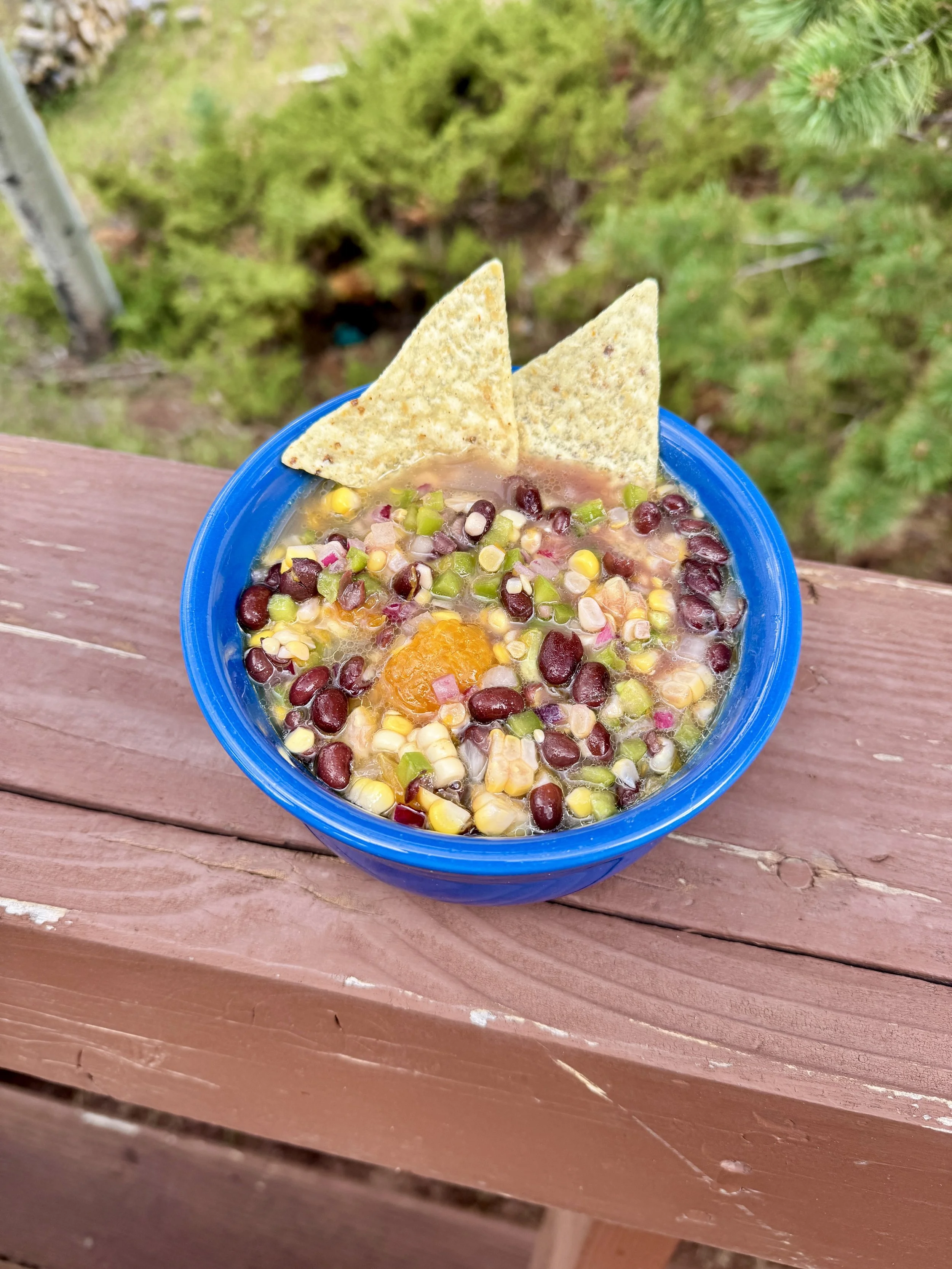
Ingredients
2 - 15oz cans black beans, drained and rinsed
16 oz frozen corn or 4 ears of corn, kernels removed from cob
10 oz jar of mandarin oranges
1 green pepper, chopped
1 small red onion, chopped
1 jalapeño, chopped
1/3 cup avocado oil (or olive oil)
1/3 cup apple cider vinegar (or red wine vinegar)
Salt to taste
Mix together and serve with tortilla chips. Best is prepared about an hour before serving.
Why We Love It
From a functional medicine perspective, every ingredient brings something valuable to the table:
Black beans provide plant-based protein and fiber to support healthy blood sugar regulation, gut health, and satiety.
Mandarin oranges are rich in vitamin C and antioxidants that help support immune function and protect cells from oxidative stress.
Bell peppers contribute additional vitamin C, carotenoids, and phytonutrients that promote healthy inflammation balance.
Corn adds natural sweetness along with fiber and beneficial plant compounds.
Onions contain prebiotic fibers that nourish beneficial gut bacteria and support digestive health.
Avocado oil supplies heart-healthy monounsaturated fats that enhance nutrient absorption and promote cardiovascular wellness.
Vinegar adds a bright, tangy finish and may help support healthy blood sugar response when paired with balanced meals.
A Colorful Plate Supports a Healthy Body
One of the simplest ways to improve nutrition is to "eat the rainbow." The colorful combination provides a wide variety of vitamins, minerals, antioxidants, and phytochemicals that work together to support whole-body health. Eating 35 different plant foods each week contributes to a healthy gut microbiome by increasing diversity. Healthy eating doesn't have to be complicated. Sometimes the most nourishing meals are the ones made with simple, wholesome ingredients that celebrate the natural flavors and colors of real food.
How This Sweet & Spicy Black Bean Salsa Supports Fertility
Nutrition plays an important role in creating an environment that supports reproductive health. While no single food can guarantee pregnancy, regularly eating nutrient-dense, whole foods can help nourish the body before conception. Research consistently shows that dietary patterns rich in fruits, vegetables, legumes, healthy fats, and whole foods are associated with improved reproductive health outcomes and better overall fertility (1,2).
This Sweet & Spicy Black Bean Salsa provides several fertility-supportive nutrients:
Folate: Black beans are an excellent source of folate, a B vitamin required for DNA synthesis, cell division, and healthy fetal neural tube development. Adequate folate intake before conception is strongly recommended for all women of reproductive age because critical fetal development occurs during the earliest weeks of pregnancy, often before pregnancy is recognized (3,4).
Fiber for Hormone Balance: Black beans, vegetables, and fruit provide dietary fiber that supports digestive health and contributes to healthy estrogen metabolism through the gut. Higher-fiber diets have also been associated with improved metabolic health and insulin sensitivity, both of which play important roles in reproductive function (1,4).
Antioxidants: Mandarin oranges and colorful bell peppers are rich in vitamin C and other antioxidants that help protect cells from oxidative stress. Excess oxidative stress has been linked to reduced egg and sperm quality, while diets rich in antioxidant-containing fruits and vegetables are associated with better reproductive health (5,4).
Healthy Fats: Avocado oil provides monounsaturated fats that support hormone production, cardiovascular health, and the absorption of fat-soluble vitamins. Replacing saturated fats with unsaturated fats has been associated with improved metabolic health and may contribute to a healthier reproductive environment (2,6).
Blood Sugar Support: The combination of plant protein and fiber from black beans helps slow digestion and promote steadier blood sugar levels. Maintaining healthy glucose regulation and insulin sensitivity is particularly important for women with insulin resistance or polycystic ovary syndrome (PCOS), as metabolic health is closely tied to ovulatory function and fertility (4,7).
Micronutrients for Reproductive Wellness: This recipe also provides potassium, magnesium, iron, and numerous phytonutrients that support energy production, healthy circulation, immune function, and cellular health. These nutrients contribute to overall wellness, helping create a strong nutritional foundation before conception (8).
Nourishing the Body Before Pregnancy
Preparing for pregnancy is about more than taking a prenatal vitamin. Consistently choosing meals built around colorful vegetables, fruits, legumes, healthy fats, and quality proteins provides vitamins, minerals, antioxidants, and phytonutrients that support hormonal balance, egg quality, metabolic health, and overall wellness. Rather than relying on any single "fertility food," research supports adopting an overall healthy dietary pattern as one of the most effective nutritional strategies for optimizing reproductive health (4,2).
References
Academy of Nutrition and Dietetics. (2022). Fiber. https://www.eatright.org/food/vitamins-and-supplements/nutrient-rich-foods/fiber-fills-you-up
Chavarro, J. E., Rich-Edwards, J. W., Rosner, B. A., & Willett, W. C. (2007). The Fertility Diet. McGraw-Hill.
Centers for Disease Control and Prevention. (2025). Folic acid. https://www.cdc.gov/folicacid
American Society for Reproductive Medicine. (2021). Optimizing natural fertility: A committee opinion. Fertility and Sterility, 116(5), 1235–1245. https://doi.org/10.1016/j.fertnstert.2021.09.003
Agarwal, A., Aponte-Mellado, A., Premkumar, B. J., Shaman, A., & Gupta, S. (2012). The effects of oxidative stress on female reproduction: A review. Reproductive Biology and Endocrinology, 10(49). https://doi.org/10.1186/1477-7827-10-49
Harvard T.H. Chan School of Public Health. (2024). The Nutrition Source: Healthy fats. https://www.hsph.harvard.edu/nutritionsource/what-should-you-eat/fats-and-cholesterol/
International Evidence-Based Guideline for the Assessment and Management of Polycystic Ovary Syndrome. (2023). Monash University, ASRM, and the European Society of Human Reproduction and Embryology.
U.S. Department of Agriculture, & U.S. Department of Health and Human Services. (2020). Dietary Guidelines for Americans, 2020–2025 (9th ed.). https://www.dietaryguidelines.gov